


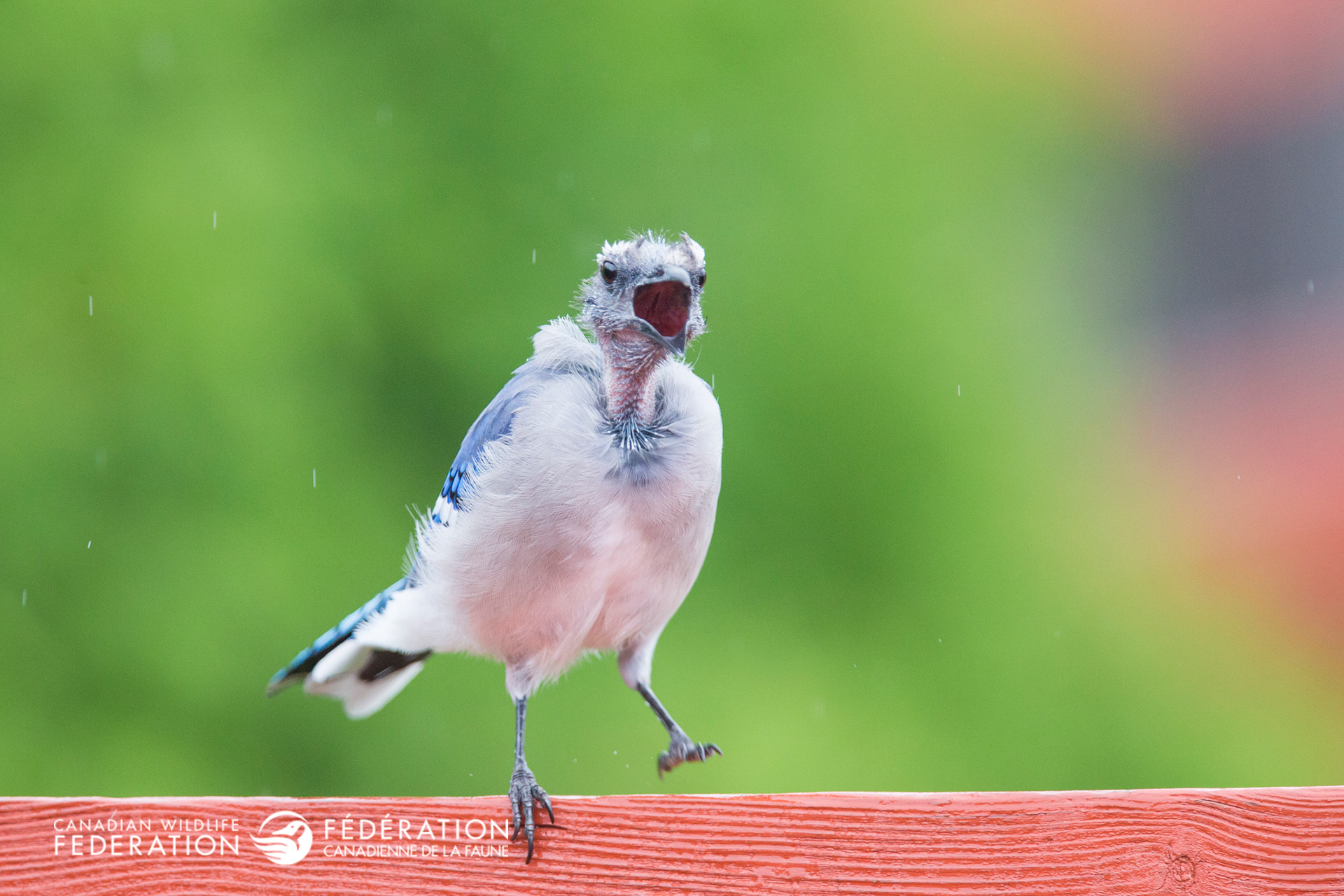
It could be that the bird is moulting. Moulting is when a bird sheds and regrows new feathers. Being a bird can be tough! Feathers can be damaged from flying, sun exposure, parasites, and even from feathers rubbing up against each other or from rubbing against trees. It’s believed that moulting occurs as a result of hormonal changes due to changes in the seasons. While some birds may look the same after a moult, others can look so different you may wonder why you’re not seeing them at your feeder anymore!
A good example of this is the American Goldfinch. During the breeding season, males are easily identified with their bright yellow plumage. But come September they begin moulting all of their feathers – a process that lasts about six to eight weeks. When finished, they have a new set of feathers – albeit a much duller set. As spring nears, new body feathers are grown to make them bright yellow again! The moult of the females, however, is far less conspicuous.
It takes a lot of energy to grow new feathers so moulting usually occurs when other energetically expensive demands, like nesting and migration, aren’t taking place. The number of moults that occur in a year depends on the species. For example:
⦁ Chickadees, swallows and thrushes undergo one complete moult per year
⦁ Warblers and tanagers have one complete moult and one partial moult
⦁ Bobolinks and Marsh Wrens have two full moults each year
Of course, we can’t forget about the moult that takes place when juvenile birds transition into their adult plumage. Think about robins for example. Juvenile robins have spotty body feathers but by late summer these are replaced so that they have the familiar orange breast and grey/brown back. This is only a partial moult however as their wing feathers are kept; these aren’t moulted for another year.
Some other interesting moult facts:
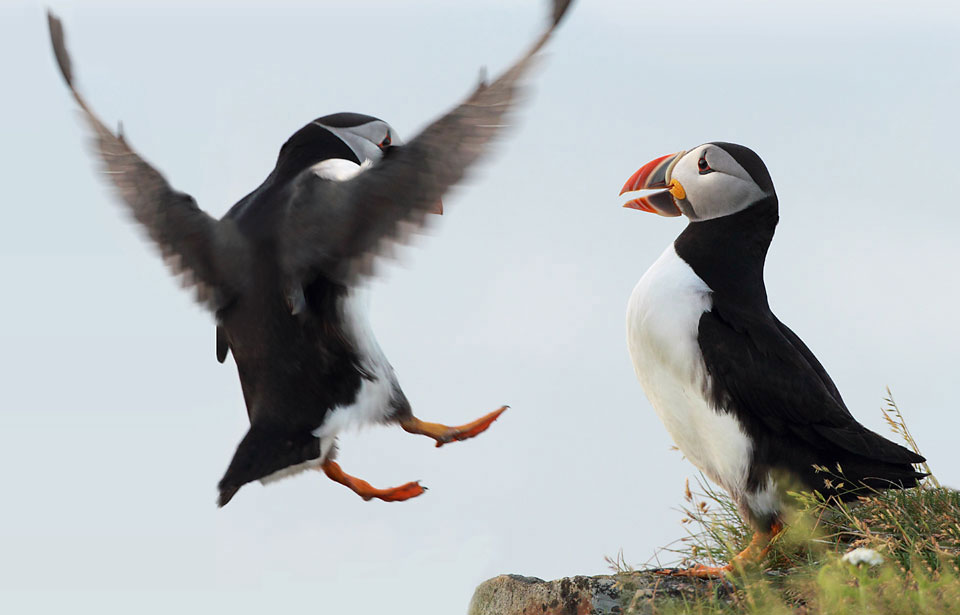
⦁ Puffins undergo another kind of moult that has nothing to do with feathers! They shed the horny plates that cover their bills. They change from being brightly coloured in the breeding season to duller shades during winter.
⦁ When ducks, geese and swans moult, they lose all of their flight feathers at once making them unable to fly for approximately four weeks during the summer.
⦁ If a bird loses one feather it doesn’t wait for the next moult to grow a new one, it begins growing it back right away.


