




-
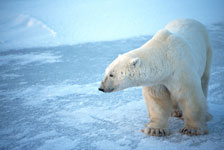 Be Cool... Stay Cool
Be Cool... Stay Cool
A role-playing activity about the effect of the changing environment on people and wildlife in Canada's North.
More
-
Help Habitats Recover
2025-12-05
The South Okanagan and Lower Similkameen area is out of this world!
-
Help Reduce Pollution
2025-12-05
Pollution is everywhere. Some forms occur naturally, such as acid rain falling when volcanoes erupt. That's called ecological pollution, and we really can't do anything about it. However, most pollution that harms people and wildlife is caused by humans!
-
Homage to the Ocean
2025-12-05
A whole sea of opportunities to organize ocean-related events awaits you.
-
Home is Where...There's Habitat
2025-12-05
Through hands-on activities, kids will learn the importance of wildlife to themselves, their communities, provinces or territories, country and planet. They will become aware of areas near and far that have been disrupted without a thought for the creatures that live in them. Through both large- and small-scale projects, students can offer wildlife and habitat a huge helping hand
-
Home on the Range
2025-12-05
Students do research, role-playing, and interviewing to learn why birds live or range where they do.
-
How Does Your Fish Measure Up?
2025-12-05
Students will "recreate" some of Canada's record fish using "found materials" or common classroom objects.
-
How You Can Make a Difference
2025-12-05
Educating yourself is an excellent first step. Your enthusiasm will encourage others to get involved.
-
Implement Your Plan
2025-12-05
You can accomplish an amazing range of projects with a little community teamwork! Here are some more ideas to help you get started.
-
Improve Connections in Your Schoolyard Ecosystem
2025-12-05
Canada is a huge country — much too big to be considered one ecosystem.
-