




-
 Guides, Infographics & Posters
Guides, Infographics & Posters
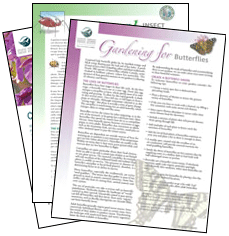
Take a closer look at the ways in which we’ll help you access the facts about wildlife. Whether it’s discovering the Hinterland Who’s Who animal fact sheets, or ordering our handy field guide to Canada’s prevalent shoreline species. This content is available to our CWF Supporters and online members. Please sign in to order your free materials.
More -
-
Wildlife E-cards
Wildlife E-cards
Send Dad a wildlife e-card! You cherish our wonderful wildlife and now you can send e-greetings that reflect your love of nature. We have developed a wide array of wildlife ecards for every occasion for you to share with your family and friends!
More -
 CWF Wallpapers
CWF Wallpapers
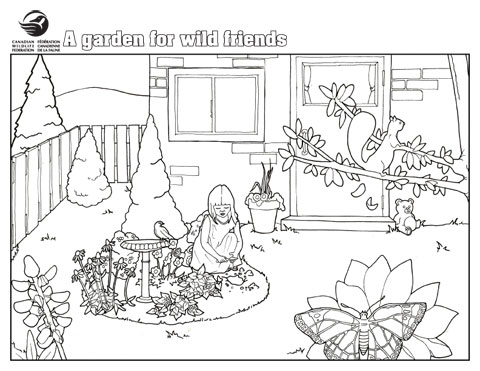
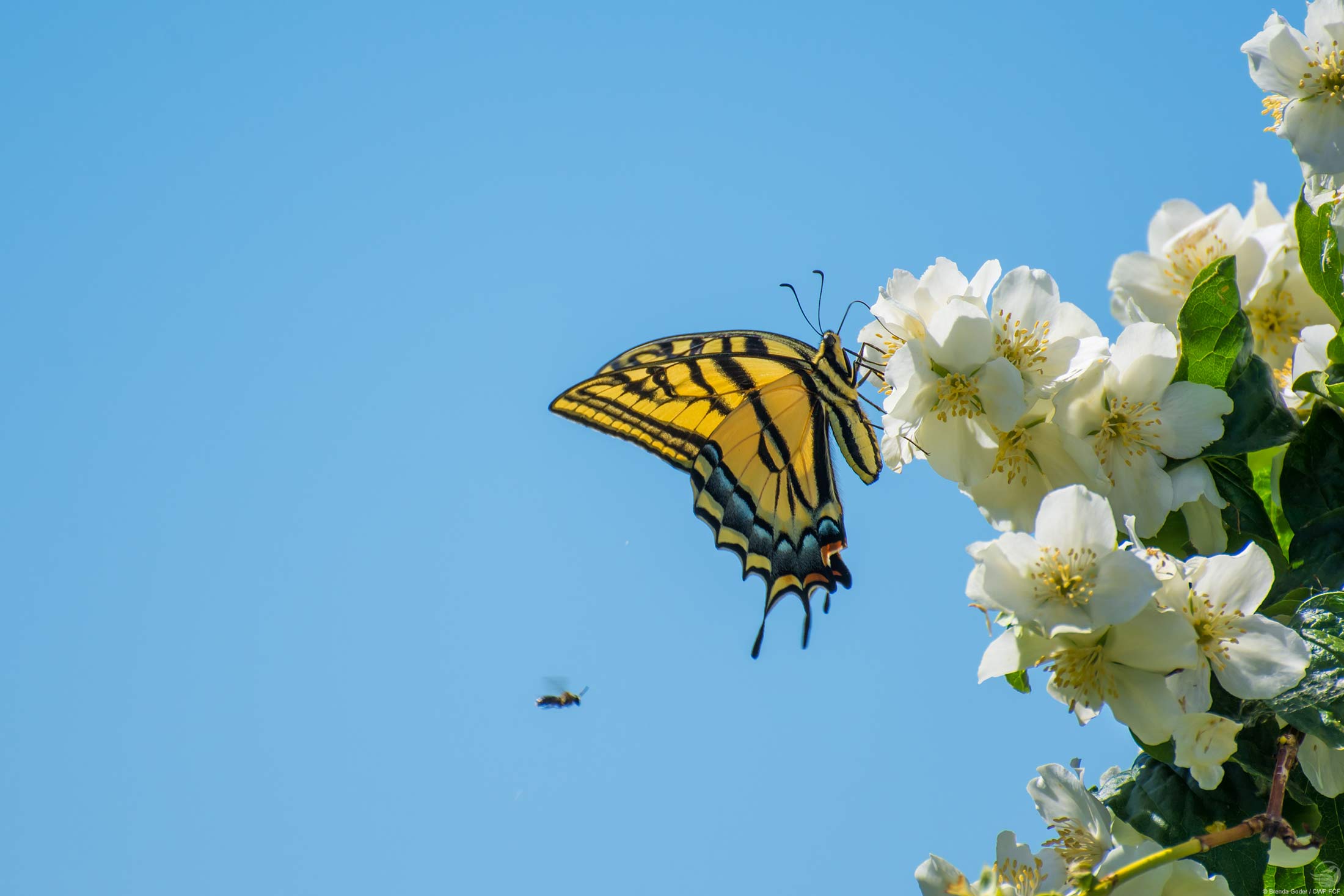
Your desktop is the perfect habitat for this wild wallpaper. Download CWF wallpapers!
More -
 WILD Webinars
WILD Webinars
With topics relating to conservation, wildlife and habitat, we provide a relevant online learning platform, typically for grades four to six but of benefit to any age.
More

From easy-to-use apps designed as tools for your citizen science projects to picturesque wallpaper images for your computer, CanadianWildlifeFederation.ca offers a variety of useful downloads for your PC and mobile devices.
Coasts & Oceans
Connecting With Nature
-
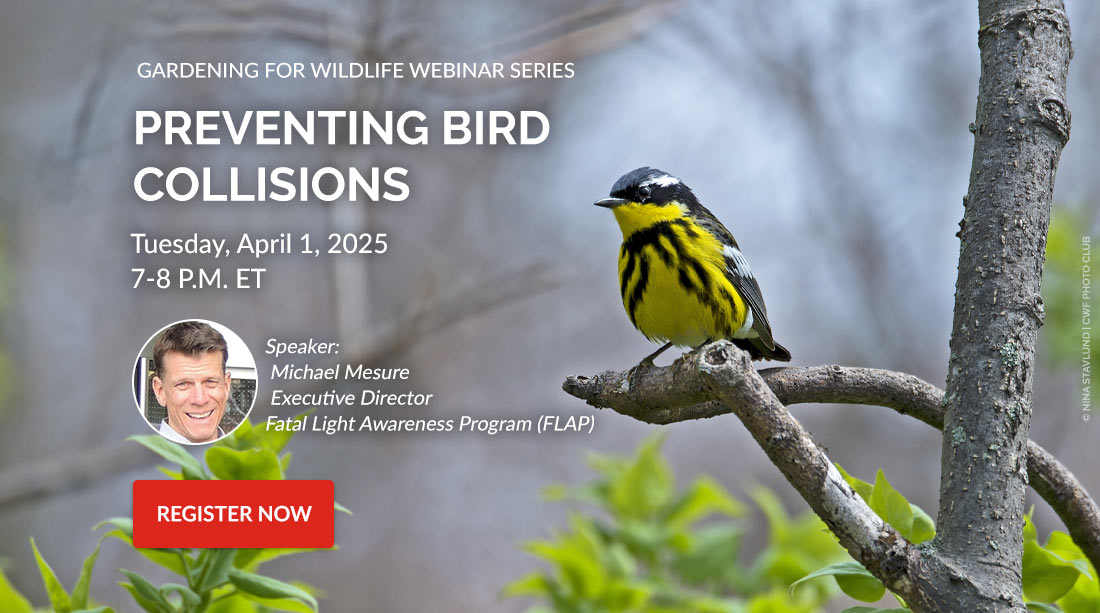
Preventing Bird Collisions
2025-04-01
Each year in Canada approximately 25 million birds die from building collisions. This is not only heartbreaking to witness but is a significant loss to biodiversity and the role these birds play. The good news is that there are solutions! Join the Canadian Wildlife Federation on Tuesday, April 1 at 7:00 p.m. ET to discover effective ways to prevent bird strikes at home, work or at the cottage. Our guest will be Michael Mesure, a founding member and Executive Director of Fatal Light Awareness Program (FLAP) Canada. Michael will speak about the work of FLAP Canada, how human-made structures threatens birds and offer solutions for mitigating building collisions. This will include examples of both effective and ineffective collision deterrent methods and some background on bird-friendly building design guidelines, policies, code and law.
-
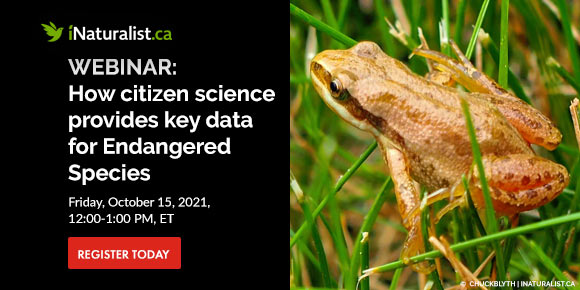
iNaturalist Webinar Series: How citizen science provides key data for Endangered Species
2021-10-15
iNaturalist has become one of the world’s most popular nature apps and the Canadian Wildlife Federation has led the charge in bringing it to Canada. Join us for an insightful webinar with the Committee on the Status of Endangered Wildlife in Canada (COSEWIC) on how iNaturalist can provide key information to help inform the assessment and conservation of endangered species in Canada. Leading the session will be John Reynolds, Chair of COSEWIC as well as Ecology Professor at Simon Fraser University, where he will discuss how citizen science greatly helps in the conservation of nature here in Canada.
-
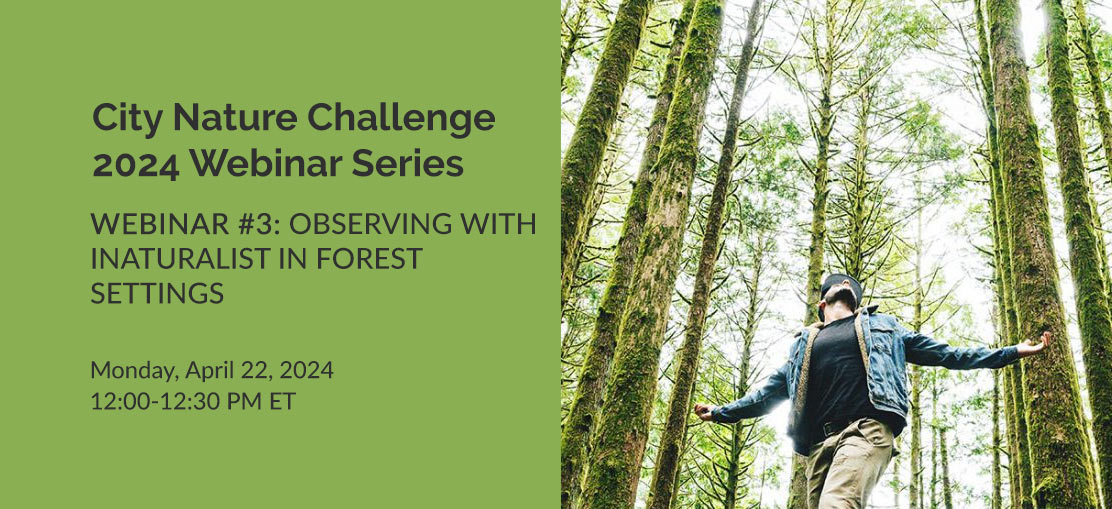
City Nature Challenge 2024 Series: #3 - Observing with iNaturalist in Forest Settings
2024-04-22
Immerse yourself in the tranquility of the forest during our Forest Focus webinar. Explore the world of forest flora and fauna, including plants, fungi, and birds. Discover techniques for capturing the beauty of these ecosystems and prepare to showcase the wonders of the forest in the upcoming City Nature Challenge.
-
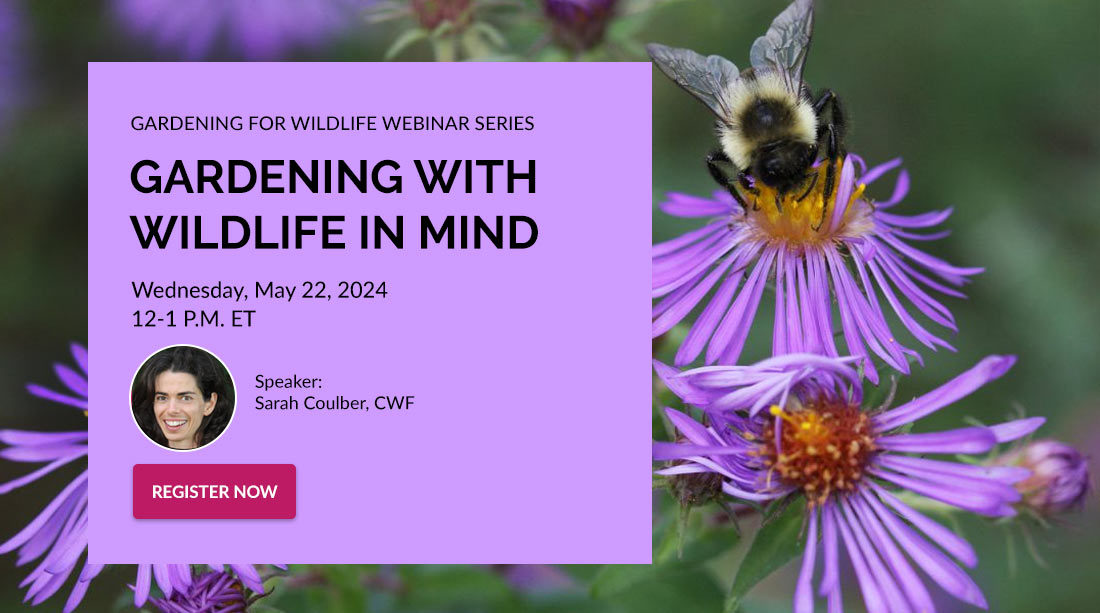
Gardening with Wildlife in Mind
2024-05-22
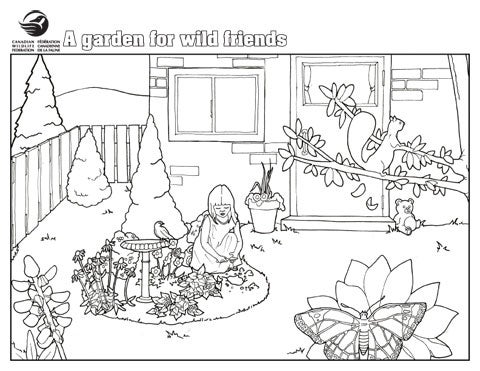
Join CWF as we explore the key ‘ingredients’ in a beautiful yet beneficial garden that will support local and migratory wildlife right outside your door. In addition to learning these important components, you’ll come away with ideas in how to apply them that will suit any property, lifestyle, budget or space.
-
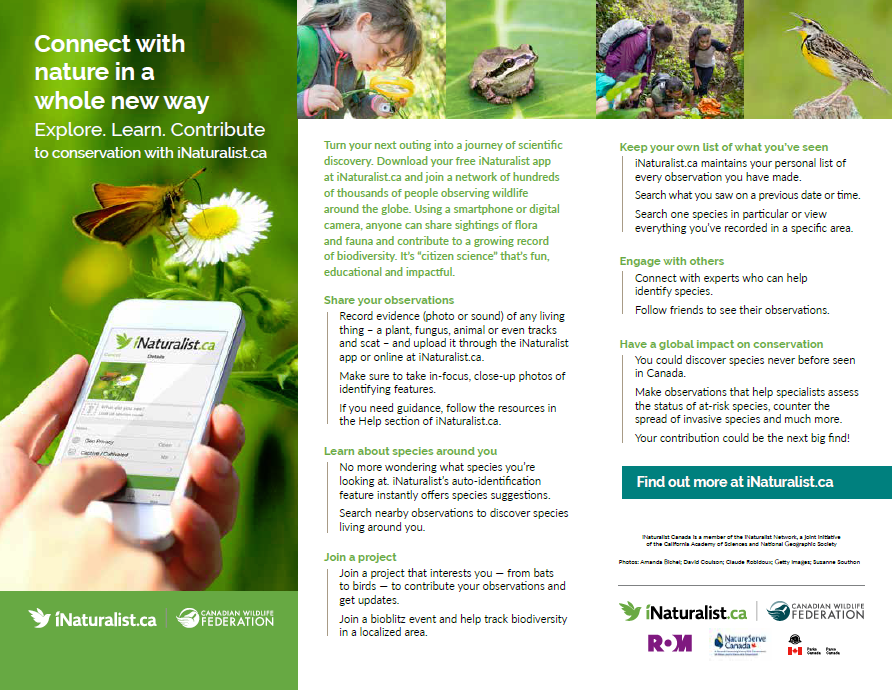
About iNaturalist.ca
2021-03-01
Turn your next outing into a journey of scientific discovery. Download your free iNaturalist app at iNaturalist.ca and join a network of hundreds of thousands of people observing wildlife around the globe. Using a smartphone or digital camera, anyone can share sightings of flora and fauna and contribute to a growing record of biodiversity. It’s “citizen science” that’s fun, educational and impactful.
Education & Leadership
Endangered Species & Biodiversity
-
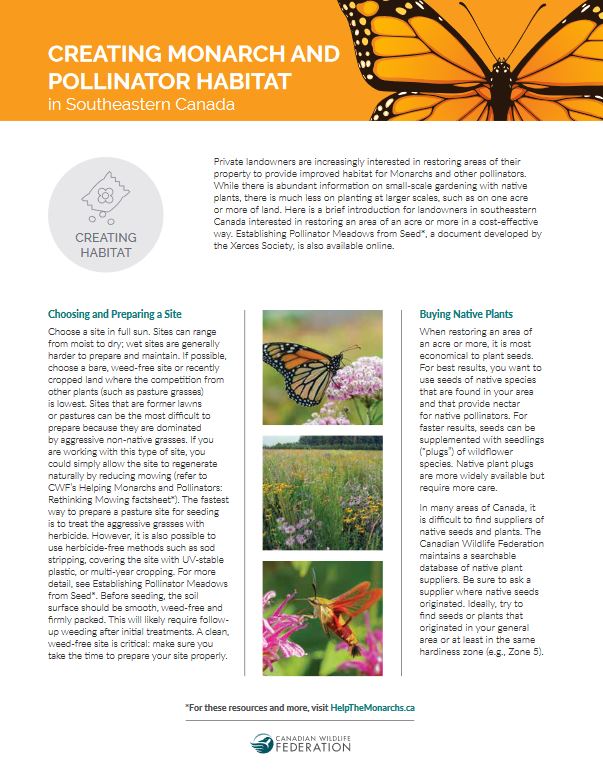
Creating Monarch and Pollinator Habitat
2025-12-05
Private landowners are increasingly interested in restoring areas of their property to provide improved habitat for Monarchs and other pollinators. While there is abundant information on small-scale gardening with native plants, there is much less on planting at larger scales, such as on one acre or more of land. Here is a brief introduction for landowners in southeastern Canada interested in restoring an area of an acre or more in a cost-effective way. Establishing Pollinator Meadows from Seed*, a document developed by the Xerces Society, is also available online
-
Natural Insect Control Handout
2025-12-05
A garden is more than just plants. It may be tempting to reach for chemical pesticides. But while these products can be an effective short-term answer, they don't contribute to the long-term health of your garden.
-
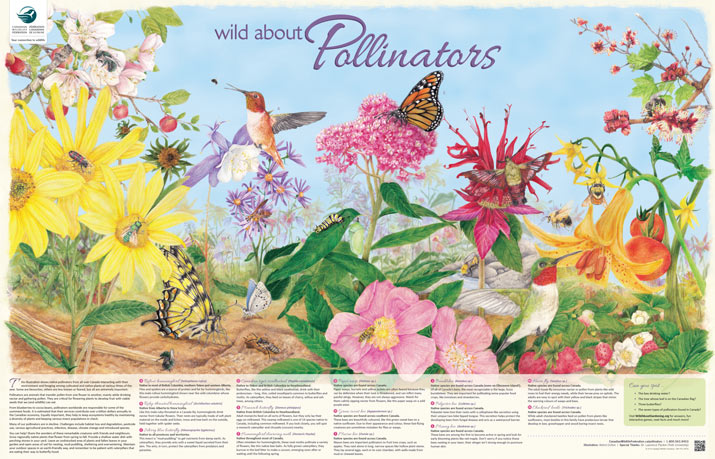
Wild About Pollinators Poster
2025-12-05
This illustration shows native pollinators from all over Canada interacting with their environment and foraging among cultivated and native plants at various times of the year. Some are favourites, others are less known or feared, but all are extremely important.Pollinators are animals that transfer pollen from one flower to another, mainly while drinking nectar and gathering pollen.
-
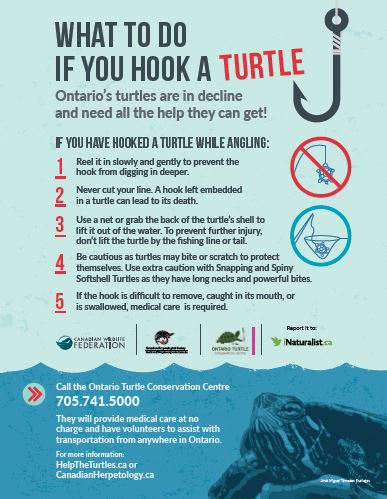
Fishing Hooks Can Hurt or Kill Turtles
2019-05-31
Ontario’s turtles are in decline and need all the help they can get!
Forests & Fields
-
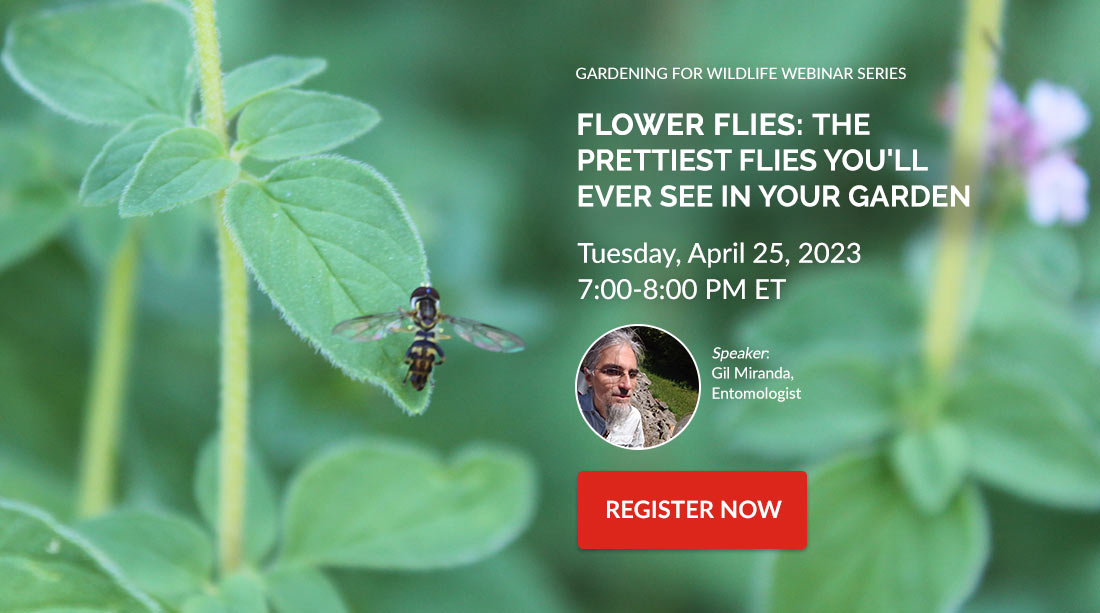
Flower Flies: The prettiest flies you'll ever see in your garden
2023-04-25
Join CWF Tuesday, April 25th at 7:00 p.m. ET to discover the wonderful world of flower flies with our guest entomologist, Gil Miranda. When talking about pollinators in your garden, you might immediately think of a bee going about its business to feed its colony. But often overlooked, if not mistaken for a bee, are the beautiful flower flies. These colorful and variably shaped flies are common flower visitors and can be as abundant and important as bees when it comes to pollinating your flowers. Please join us as Gil gives you some tips on how to spot and identify some common flower flies that might be around your gardens!
-
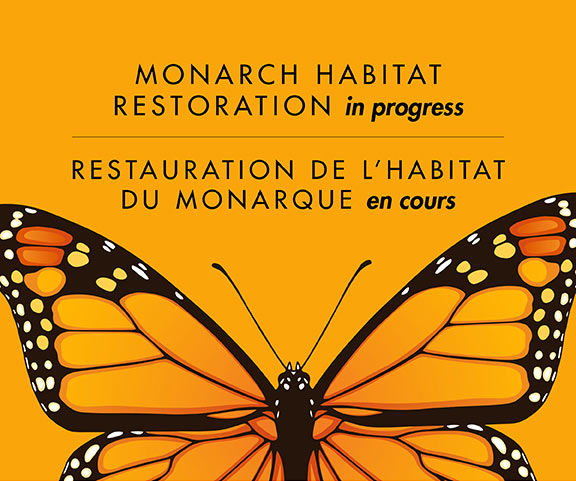
Managing Rural Roadsides for Pollinator Habitat
2020-03-10
Lanark County Lanark County is a rural municipality in eastern Ontario – to the west of Ottawa, Ontario – managing approximately 600 kilometres of county roads. Since 2016, Lanark County has followed an integrated vegetation management (IVM) plan to control invasive plants, especially wild parsnip, that encroach on pollinator habitat. In addition to controlling invasive plants, the goal of the IVM plan was also to re-establish desirable native vegetation along roadsides. To achieve these goals, Lanark County changed mowing practices, implemented integrated control measures to reduce impact to desirable vegetation (i.e. targeted spot spraying, hand control of invasives, reseeding disturbed sites, etc.), and improved hydroseeding practices with native seed to promote pollinators. Lanark County has been successful in reducing invasive plant infestations and improving pollinator habitat on almost 450 hectares of rural roads, and now has the opportunity to share some lessons learned with other municipalities about how they can help improve pollinator habitat along roadsides.
-
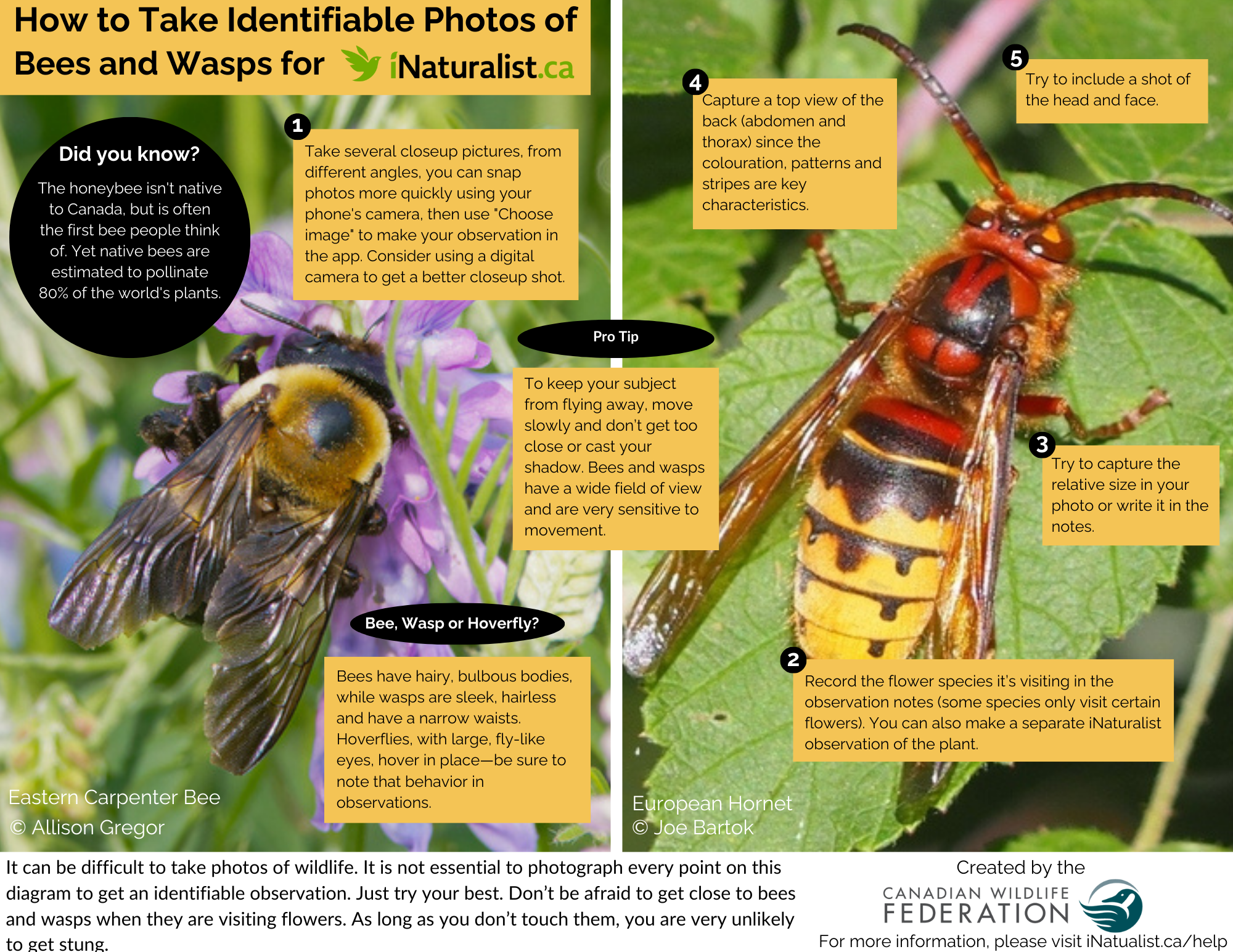
iNaturalist CSI: Invasive Insects
2022-06-28
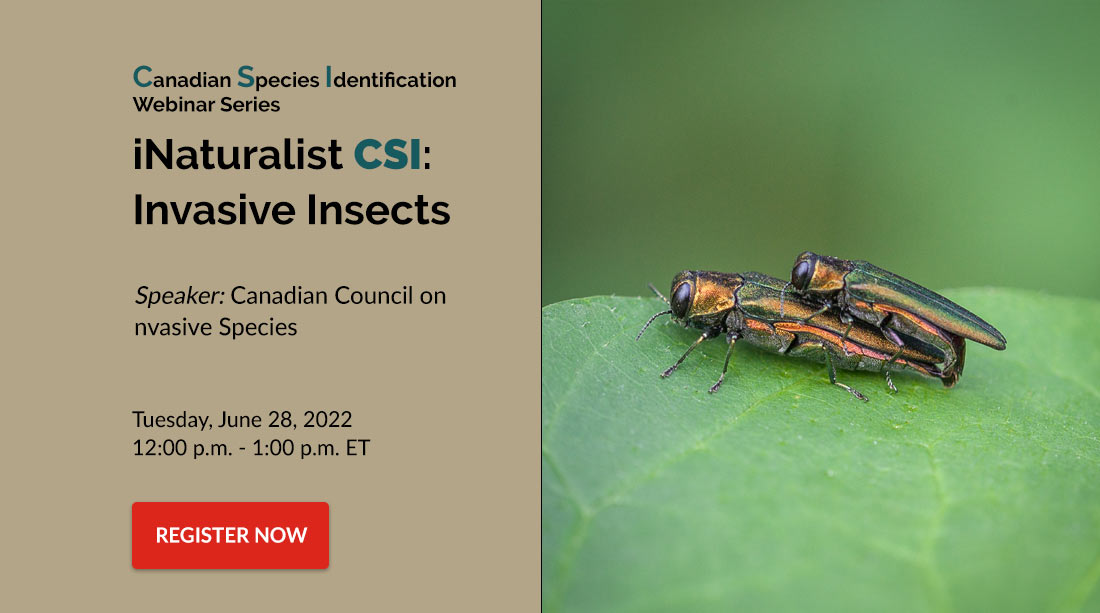
Join the Canadian Wildlife Federation (CWF) for a webinar on how to photograph and identify Canada’s top 10 invasive insects using iNaturalist.ca, presented by the Canadian Council on Invasive Species (CCIS). Nearly one-fifth of the Earth’s surface is at risk of plant and animal invasions. Invasive species are threatening Canada’s ecosystems, economy and communities. Climate change is also exacerbating this issue and can make ecosystems more vulnerable to invasive species, and invasive species can worsen the impacts of climate change. The good news is - you can help! Learn how to ID Canada’s top 10 invasive insects so you can report them, helping to stop their spread. Every report helps scientists track and protect Canada’s natural spaces and biodiversity from the negative impacts of invasive species. iNaturalist has become one of the world’s most popular nature apps and the Canadian Wildlife Federation has led the charge in bringing it to the forefront of Canadian citizen science. Date: June 28th, 12:00-1:00 Eastern Host: Kellie Sherman, Operations Supervisor at CCIS presenting, James Pagé to host.
-
Pollinator Meadow Monitoring Results
2022-05-25
Roadside maintenance of many municipalities in Eastern Ontario includes boom spraying, and/or regular mowing to control invasive plants. But what is the impact on pollinators? As more rights-of-way managers embark on restoration activities, assessment of the restoration process with respect to the native plant community is an important element of project evaluations. Join this webinar to learn from CWF’s Restoration Ecologist, Tracey Etwell for the results of the first year of monitoring for CWF’s Rights-of-Way Habitat Restoration Program in Eastern Ontario. This is part of the CWF Rights-of-Way Habitat Restoration Program’s 2022 Pollinator Webinar Series.
-
Geospatial Tools to Aid in the Restoration of Rights-of-Way
2022-07-20
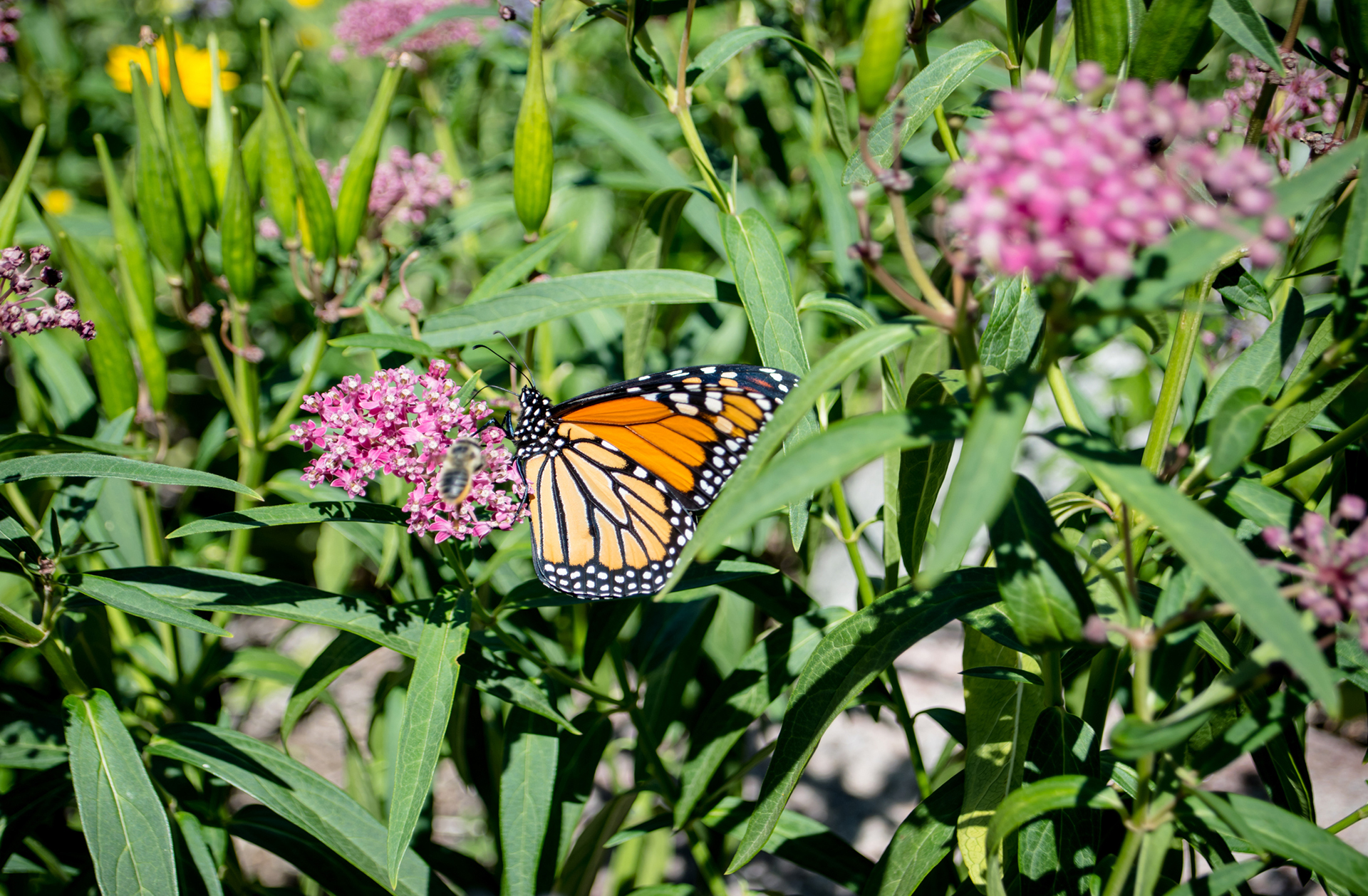
Are you committed to pollinator habitat restoration but don't know where or when to start? GIS Analyst, Vincent Fyson, shares the geospatial tools and research that CWF has developed to support pollinator projects on rights-of-way. This webinar includes an overview of the Spring and Fall mowing maps to guide safe dates when mowing is unlikely to directly impact monarch butterflies. You will see how the interactive Rights-of-Way Restoration Dashboard presents potential restoration sites and how it can support tracking your progress. You will also learn of the results of CWF's Habitat Suitability Modelling in Southern Ontario which will help identify priority restoration sites for improving Monarch habitat.
Lakes & Rivers

Learn More

- 0
- 1
- 2
- 3