




-
 Guides, Infographics & Posters
Guides, Infographics & Posters
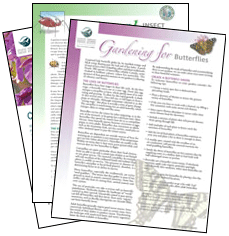
Take a closer look at the ways in which we’ll help you access the facts about wildlife. Whether it’s discovering the Hinterland Who’s Who animal fact sheets, or ordering our handy field guide to Canada’s prevalent shoreline species. This content is available to our CWF Supporters and online members. Please sign in to order your free materials.
More -
-
Wildlife E-cards
Wildlife E-cards
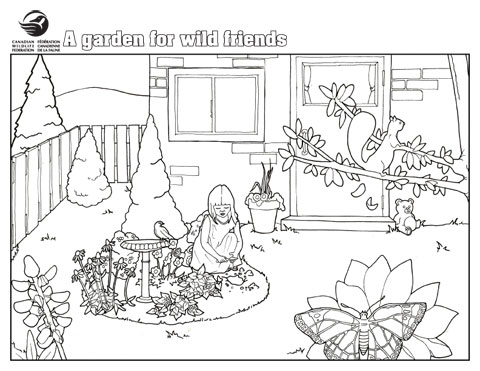
Send Dad a wildlife e-card! You cherish our wonderful wildlife and now you can send e-greetings that reflect your love of nature. We have developed a wide array of wildlife ecards for every occasion for you to share with your family and friends!
More -
 CWF Wallpapers
CWF Wallpapers
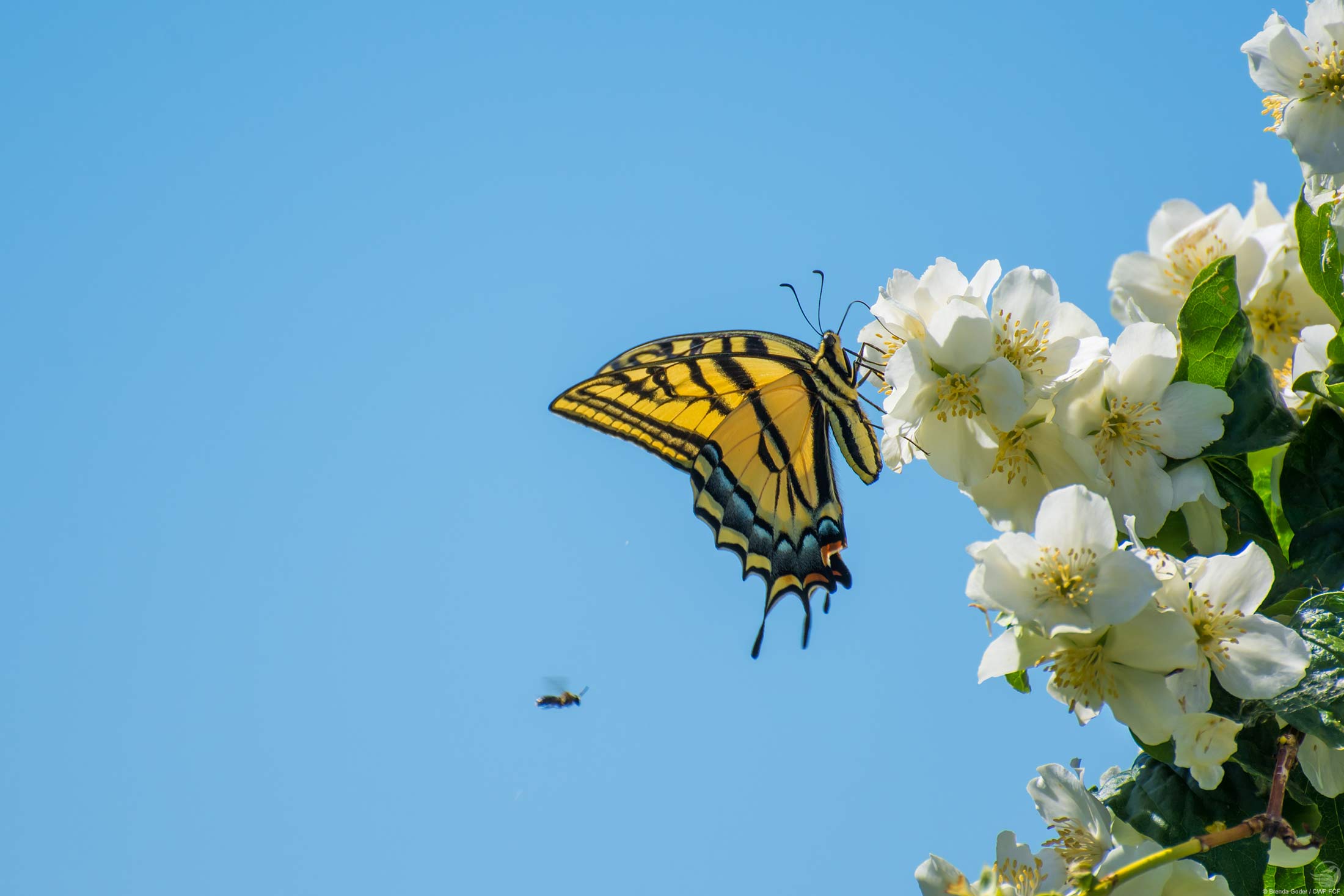
Your desktop is the perfect habitat for this wild wallpaper. Download CWF wallpapers!
More -
 WILD Webinars
WILD Webinars
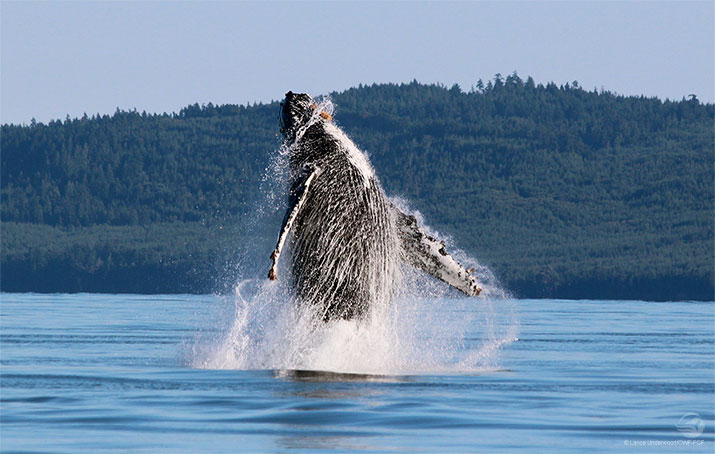
With topics relating to conservation, wildlife and habitat, we provide a relevant online learning platform, typically for grades four to six but of benefit to any age.
More

From easy-to-use apps designed as tools for your citizen science projects to picturesque wallpaper images for your computer, CanadianWildlifeFederation.ca offers a variety of useful downloads for your PC and mobile devices.
Coasts & Oceans
Connecting With Nature
-

Community Science in Action: iNaturalist Case Study with Adopt-A-Pond
2024-09-26
Join the Canadian Wildlife Federation (CWF) for an insightful webinar that showcases how iNaturalist can be a powerful tool for citizen science programs. This session will highlight the Adopt-A-Pond (AAP) program by the Toronto Zoo as a case study, demonstrating the practical application of iNaturalist in conservation efforts. During this webinar we will guide you through the essential features of iNaturalist, using real-world examples from the Adopt-A-Pond program. You'll learn how iNaturalist supports environmental monitoring, enhances data collection, and contributes to research and conservation. Whether you're a seasoned user or new to the platform, this webinar will provide valuable insights and tips for using the iNaturalist app and website effectively. Don’t miss this opportunity to see how iNaturalist can elevate your citizen science initiatives!
-
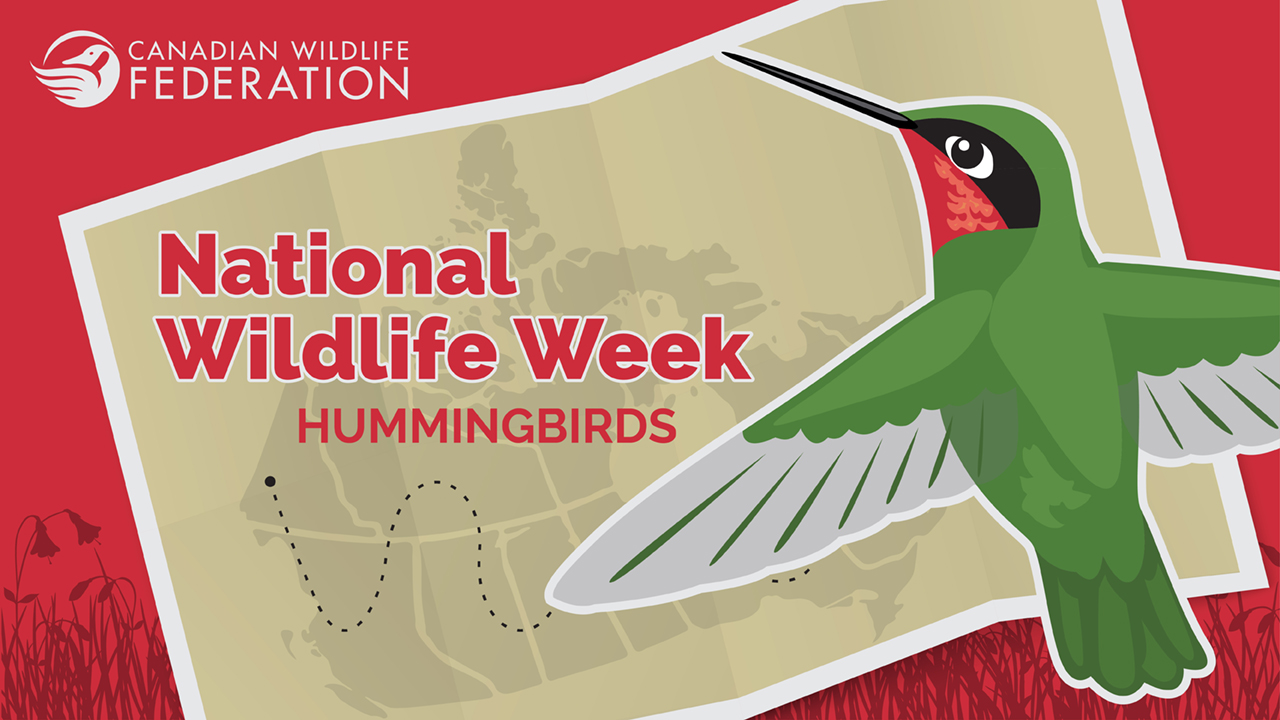
Hummingbirds With Sarah Coulber
2025-04-09
Sarah’s love of nature led to several environmental jobs with municipalities and naturalist volunteer roles before joining the Canadian Wildlife Federation over 20 years ago. Sarah runs the Gardening for Wildlife program where she helps Canadians discover, appreciate and support the incredible nature that surrounds us. Join Sarah to discover the migration, nesting, and feeding habits of Canada’s hummingbird species, and explore simple ways you can help hummingbirds at home or school!
-
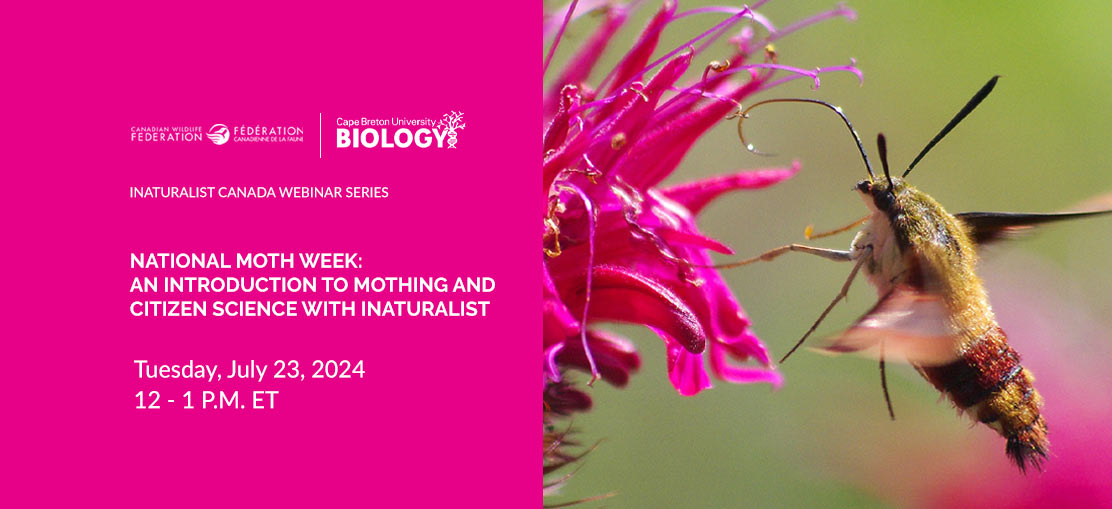
National Moth Week: An Introduction to Mothing and Citizen Science with iNaturalist
2024-07-23
Join us for an enlightening webinar on mothing and citizen science, perfect for beginners eager to explore the fascinating world of moths. Alicia will guide us through the easy steps of mothing, providing tips for taking great photos and identifying key features to differentiate moths from butterflies. She will also share insights on how to recognize general moth groups. Whether you're new to mothing or looking to enhance your skills, this webinar is designed to help you appreciate these incredible insects and contribute to scientific knowledge. Don't miss this opportunity to learn and participate in National Moth Week! For more information, visit the National Moth Week 2024 Canada Umbrella Project on iNaturalist.
-
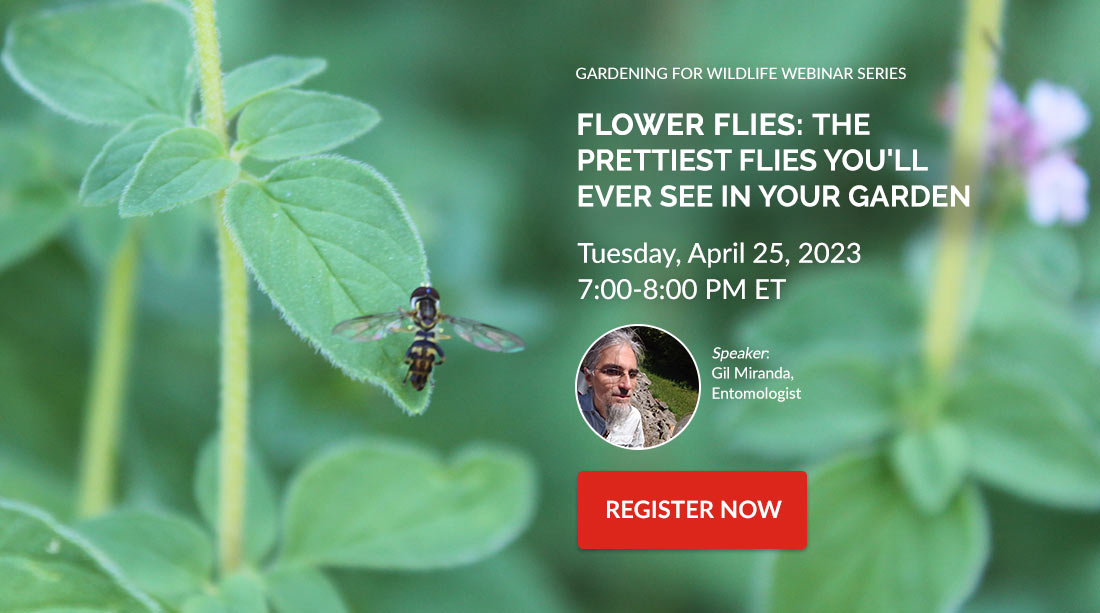
Flower Flies: The prettiest flies you'll ever see in your garden
2023-04-25
Join CWF Tuesday, April 25th at 7:00 p.m. ET to discover the wonderful world of flower flies with our guest entomologist, Gil Miranda. When talking about pollinators in your garden, you might immediately think of a bee going about its business to feed its colony. But often overlooked, if not mistaken for a bee, are the beautiful flower flies. These colorful and variably shaped flies are common flower visitors and can be as abundant and important as bees when it comes to pollinating your flowers. Please join us as Gil gives you some tips on how to spot and identify some common flower flies that might be around your gardens!
-
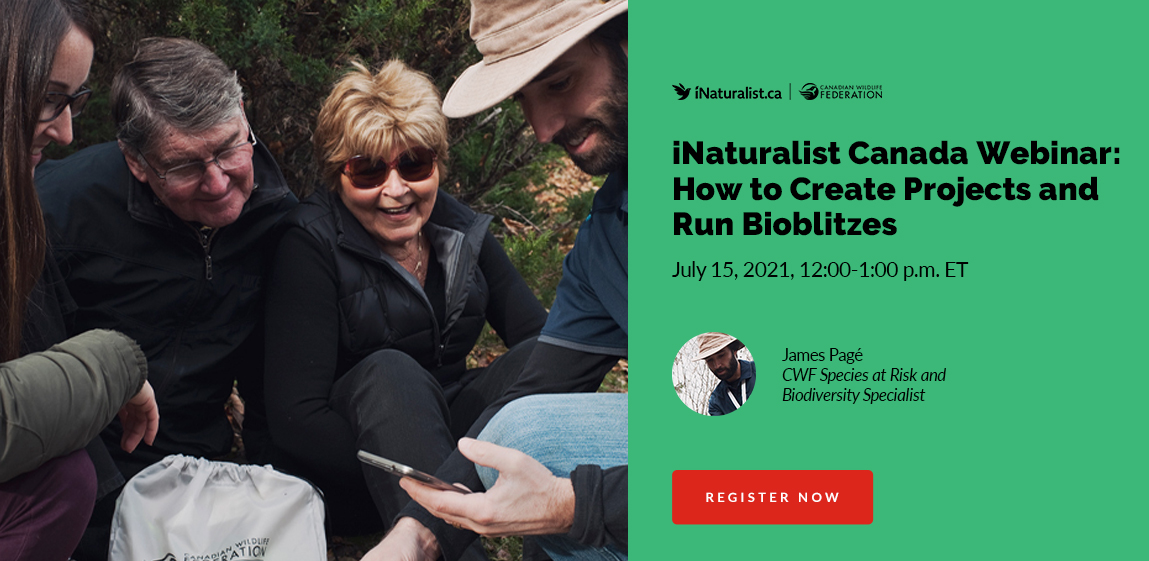
iNaturalist Canada: How to Create Projects and Run Bioblitzes
2021-07-15
July 15, 2021, 12:00-1:00 p.m. ET Join the Canadian Wildlife Federation for a webinar demonstrating how to run your very own Bioblitz using iNaturalist.ca! A Bioblitz is a communal citizen-science effort to record as many species within a designated location and time period. Typically, people gather on a property for a day or more and an event can be as big as a full-scale inventory or as small as a local neighbourhood association. And with the current times, more and more events, including bioblitzes, are going virtual. In this webinar, we will walk through all the steps of running a successful Bioblitz including setting up a project on the website and running a virtual Bioblitz.
Education & Leadership
Endangered Species & Biodiversity
Forests & Fields
-
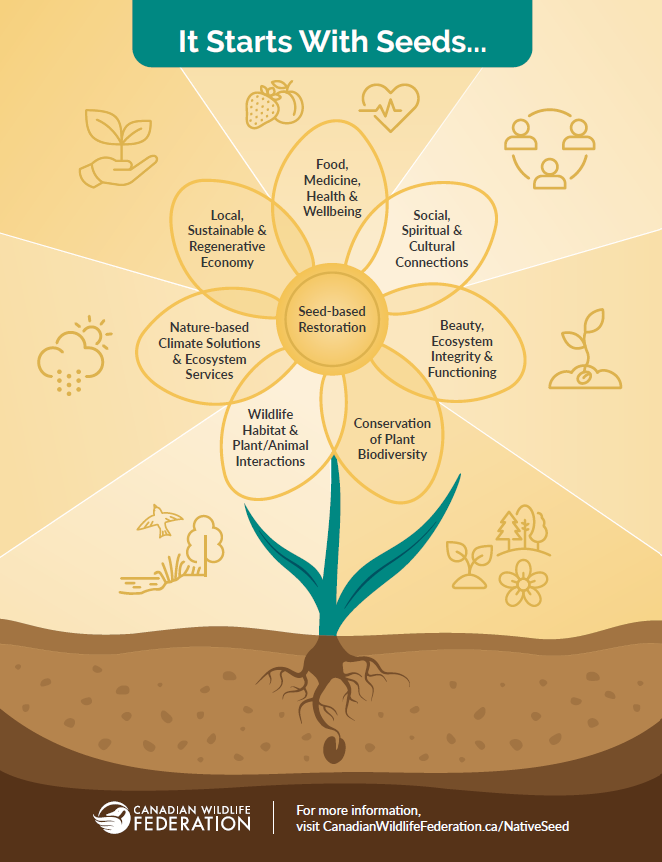
Native Seed Infographic
2026-06-26
-
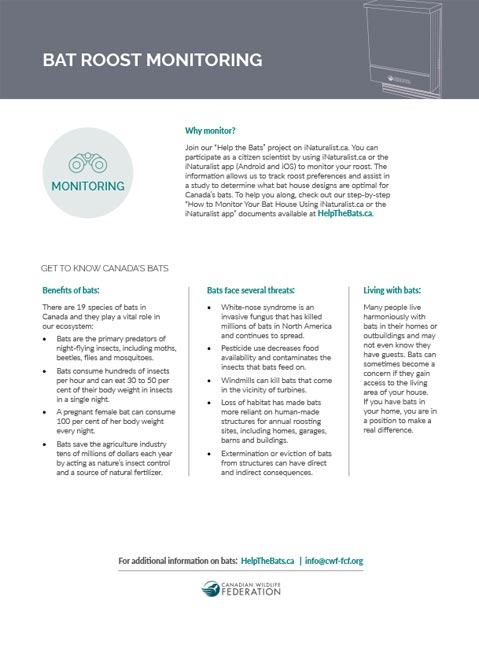
BAT ROOST MONITORING
2026-06-26
oin our “Help the Bats” project on iNaturalist.ca. You can participate as a citizen scientist by using iNaturalist.ca or the iNaturalist app (Android and iOS) to monitor your roost. The information allows us to track roost preferences and assist in a study to determine what bat house designs are optimal for Canada’s bats. To help you along, check out our step-by-step “How to Monitor Your Bat House Using iNaturalist.ca or the iNaturalist app” documents available at HelpTheBats.ca
-
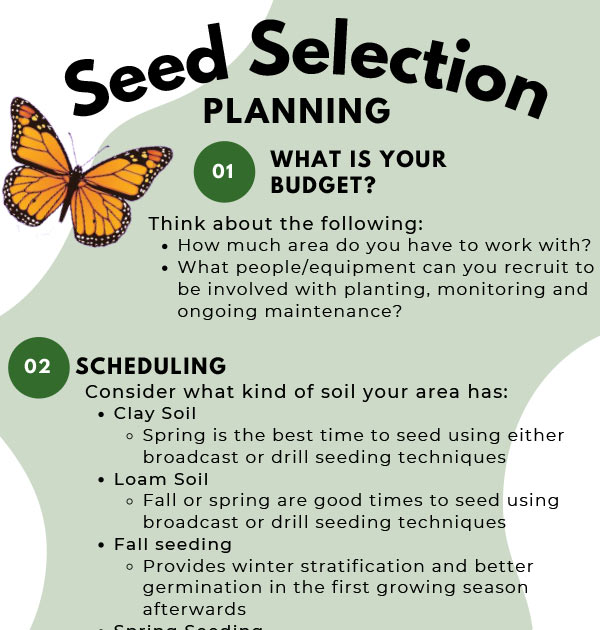
Native Seed Selection
2026-06-26
-
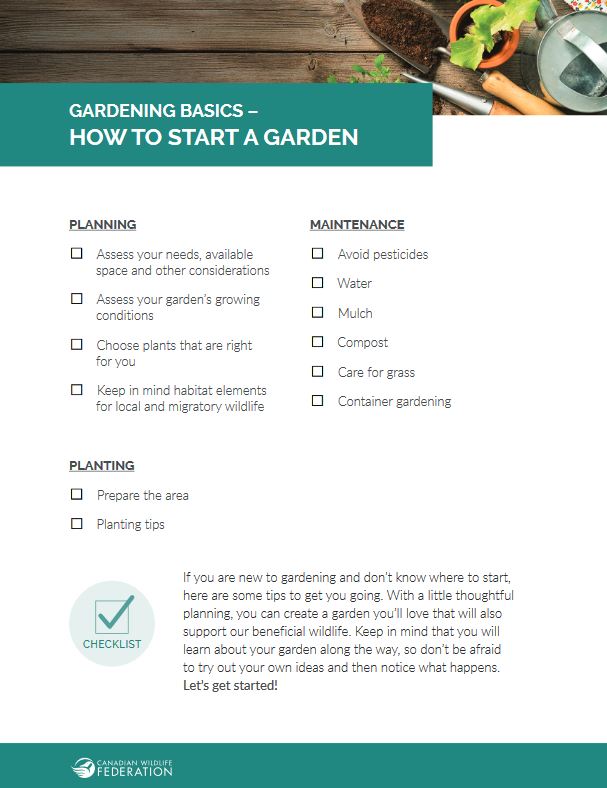
-
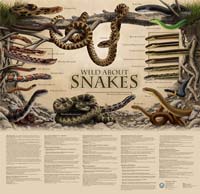
Wild About Snakes Poster
2026-06-26
Snakes are a very useful addition to any garden. Red-bellied and garter snakes are major predators of slugs. Snakes also prey on grubs, mice, rats, snails, leeches, centipedes and other invertebrates. In this way they play an important role in keeping pest populations under control.Most of Canada’s snakes are non-aggressive and shy. They will avoid encounters with humans whenever possible. However, like most wild creatures, snakes may bite in self-defence if handled, so it is best to leave them in peace.
Lakes & Rivers

Learn More

- 0
- 1
- 2
- 3