

SCIENTIFIC NAME
Osmia
DESCRIPTION
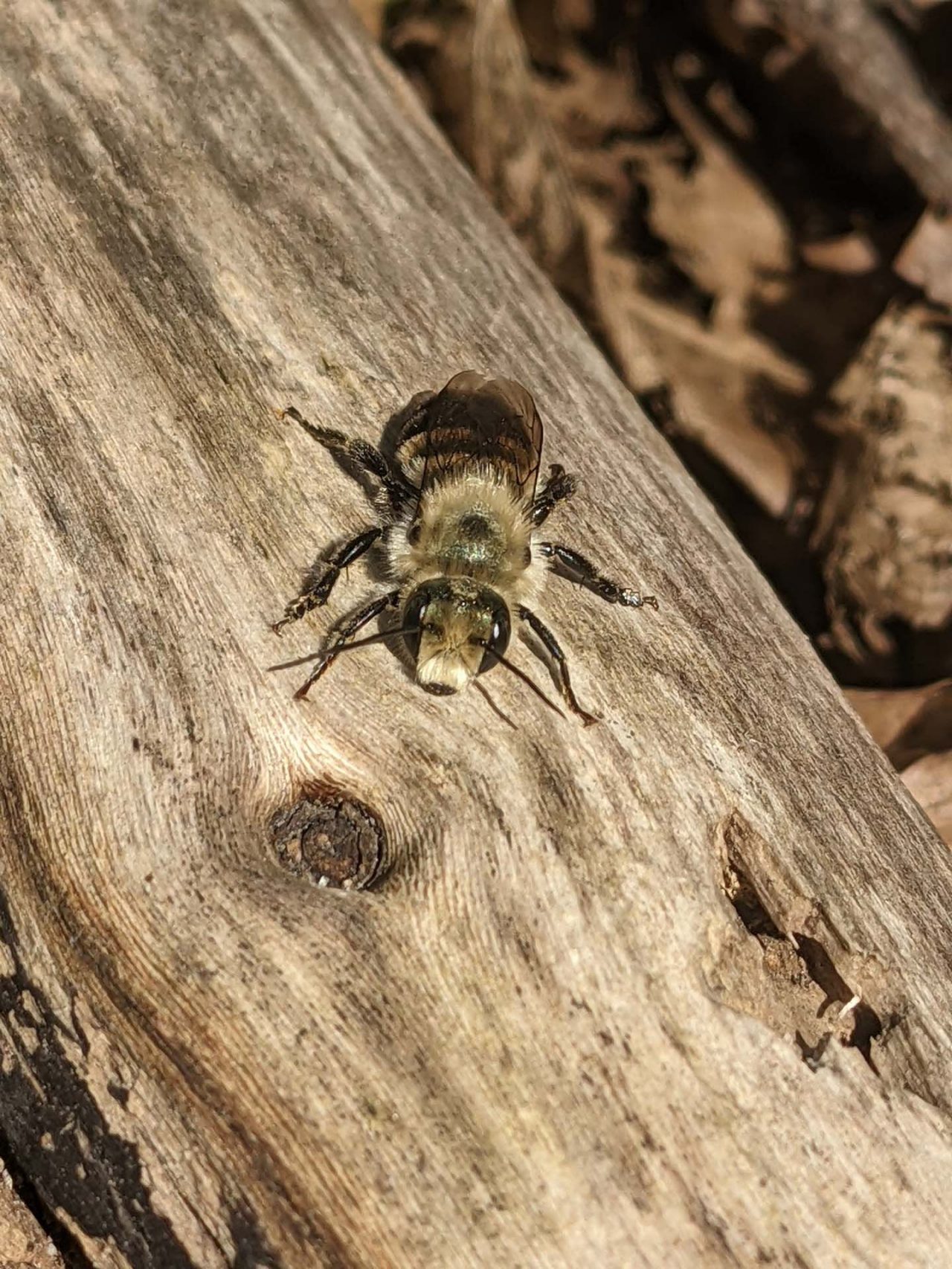
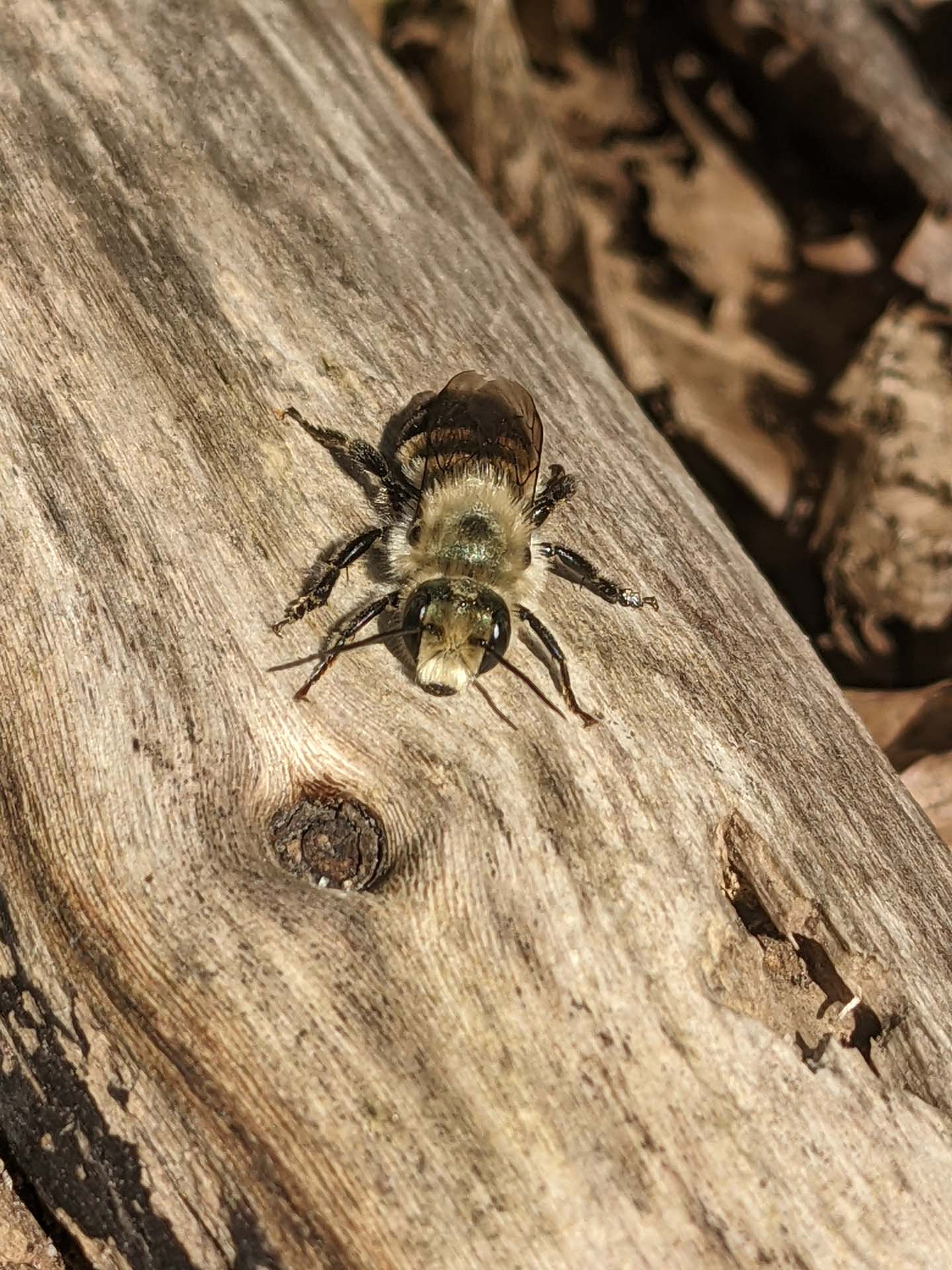
Small to medium-sized bees (seven to 15 mm), Osmia are stout and round in shape. Ranging from dark to metallic blue or green, they usually have lights hair on their body. Males have a white patch of hair on their face that is similar to a moustache, and they have long antennae. Osmia is a widespread genus in Canada.
PHOTO GALLERY
|
Feeding Habits
Mason bees are active mostly in the spring and early summer. Because many species bloom at this time, such as plants in the Rosaceae family, Osmia are very good pollinators of fruit trees (apples, cherries, plums etc.) and berry crops (raspberries, blackberries, blueberries). Other plant species include Red Maple, Willows, Viburnums, Wild Geranium and Harebells.
Nesting Habits
Mason bees generally nest in cavities above ground using existing holes in wood, under bark, in pithy plant stems, sometimes even snail shells. They like to colonize bee hotels—human-made structures providing stems/straws and wood cavities. Some species nest in shallow cavities below ground in the soil or in old beetle burrows. A few Osmia species can use leaves or flower petals for their nests, but others use mud to build their nest walls (which gave them this name). They sometimes mix it with other plant materials and/or sap and even pebbles.
Neat Facts
A few Osmia species can be used for pollination purposes as the Orchard Mason Bee (Osmia lignaria), or the Blueberry Mason Bee (Osmia ribifloris) in the west and Maine Blueberry Bee (Osmia atriventris) in the east. It has been shown that the Orchard Mason Bee is a better pollinator than the Honey Bee.


