

SCIENTIFIC NAME
Ceratina
DESCRIPTION
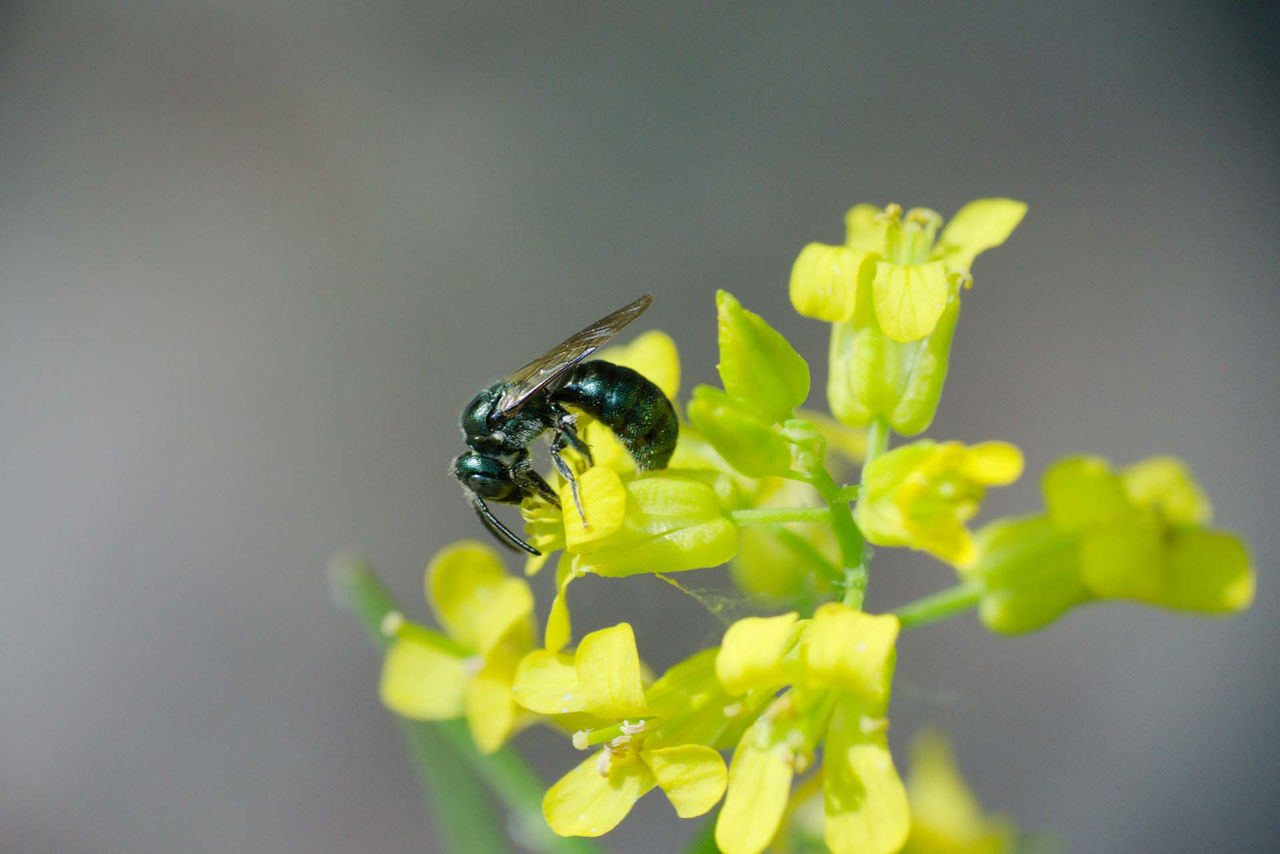
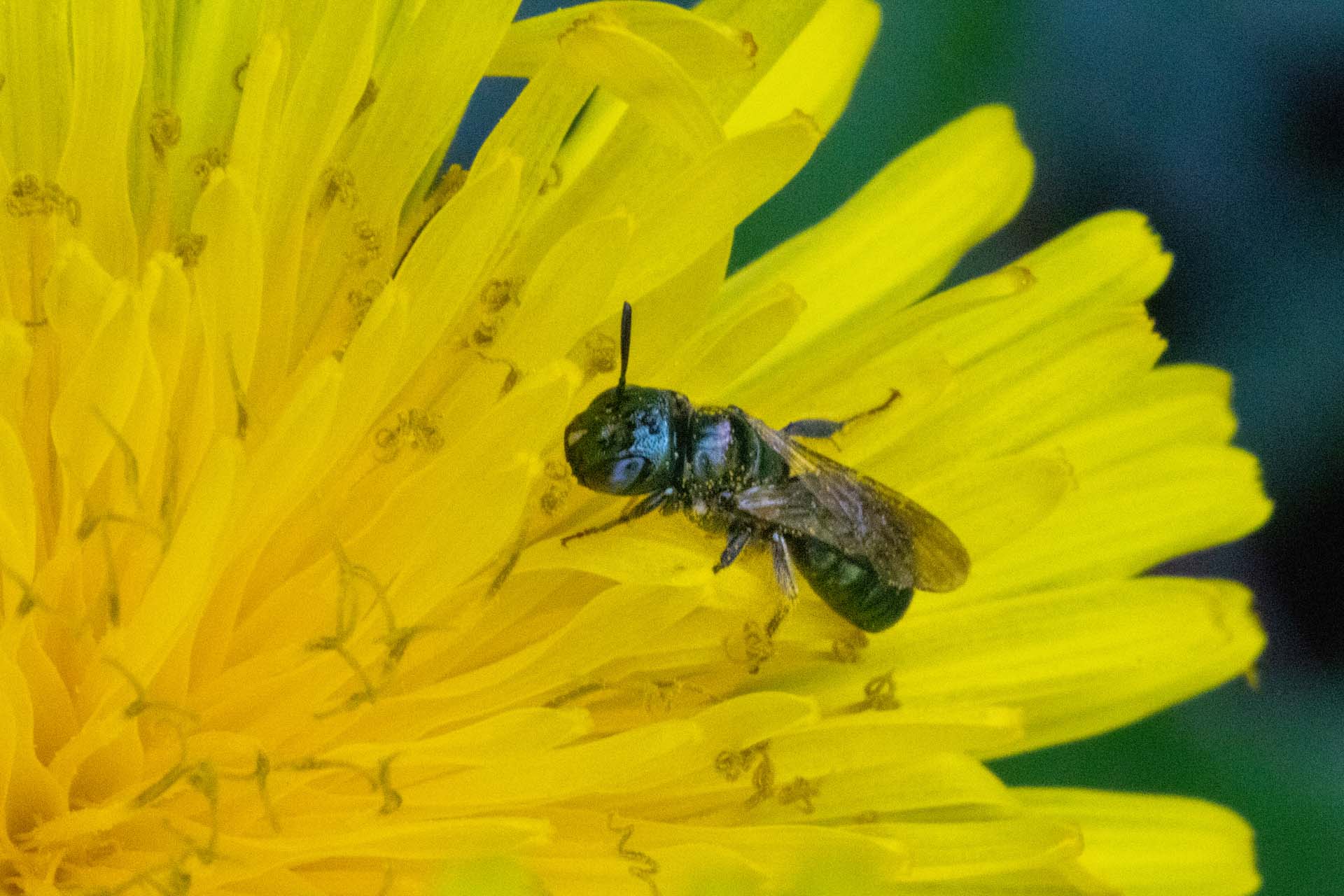
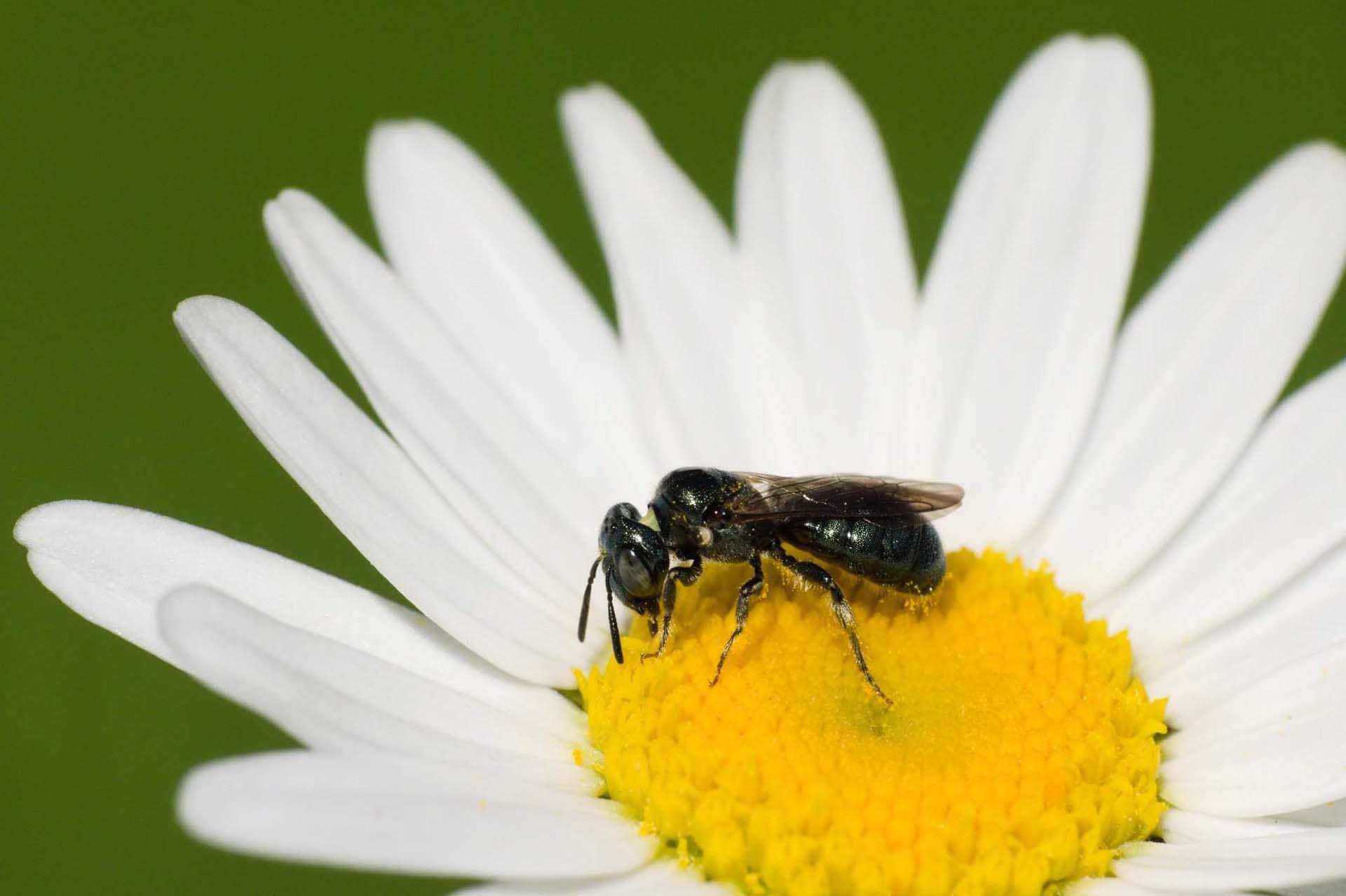
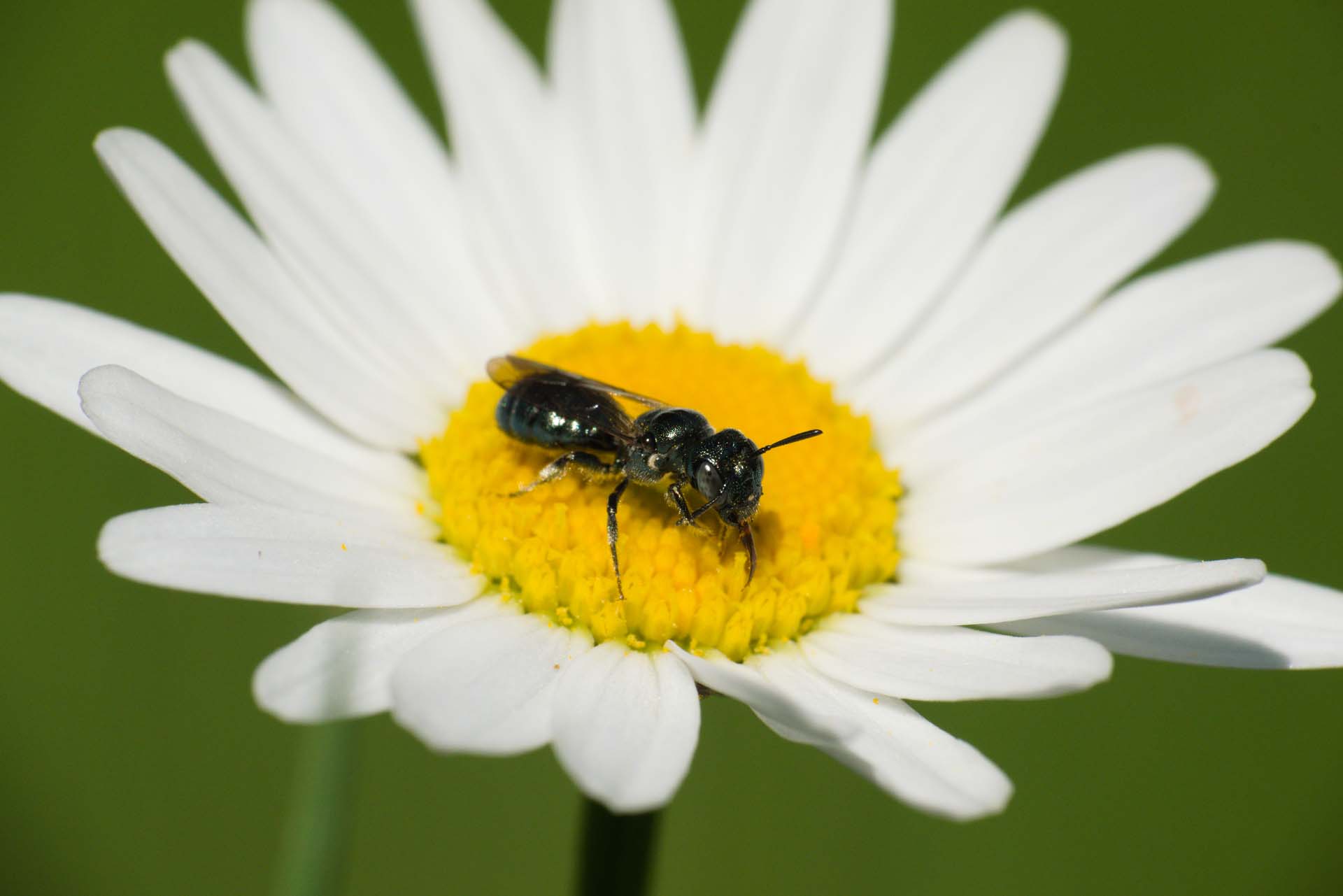
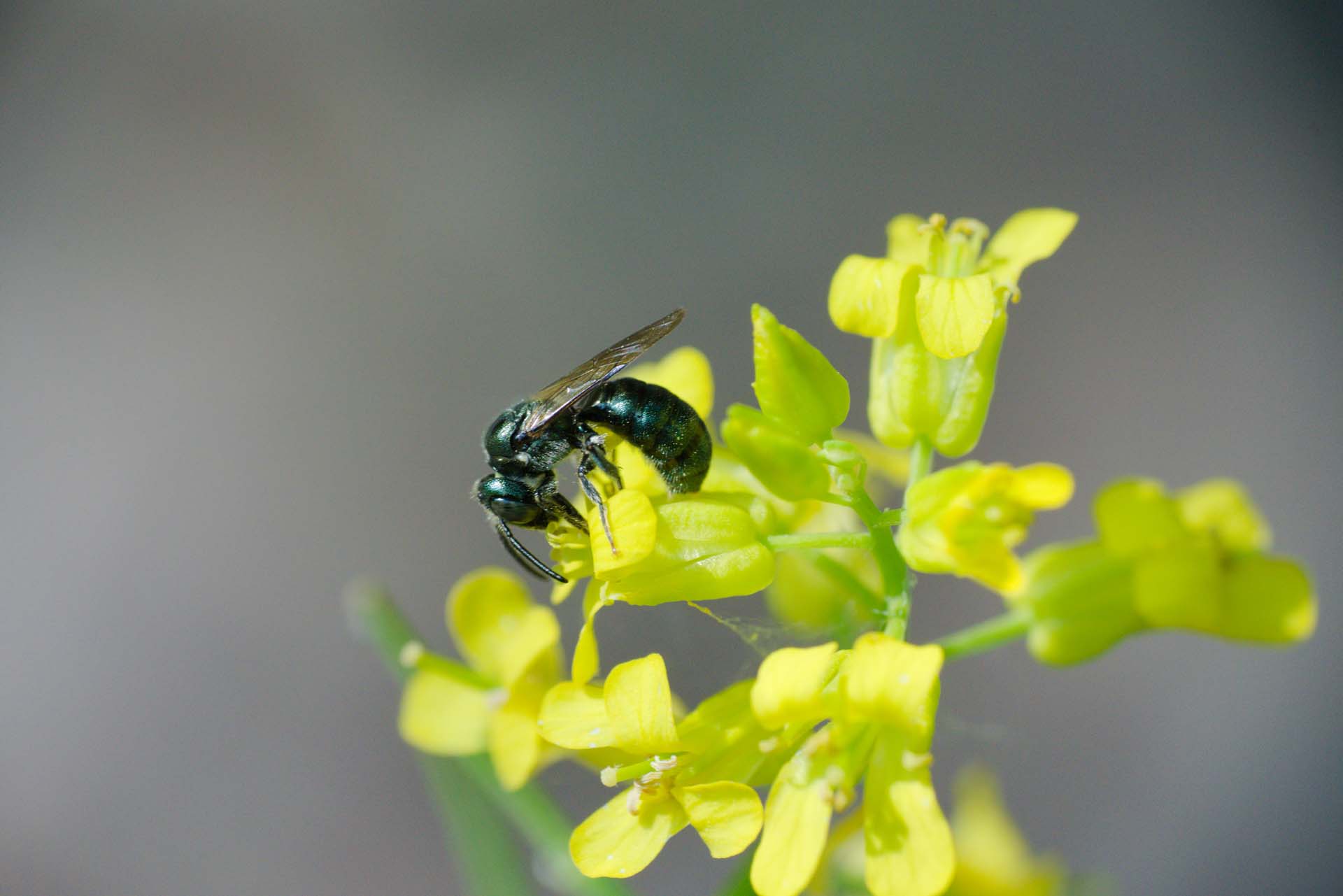
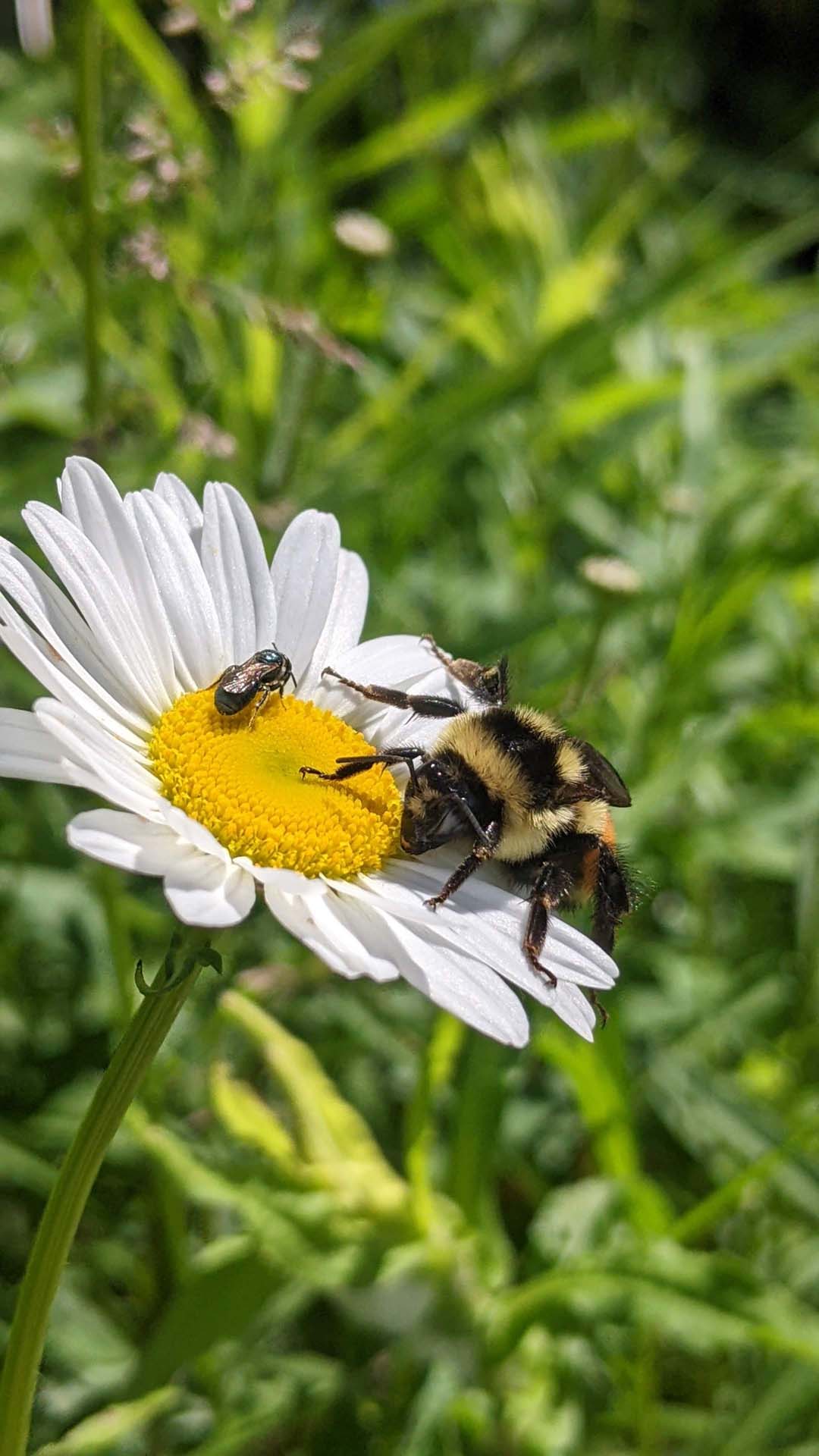
Also called dwarf carpenter bees (three to nine mm in size), Ceratina are dark metallic blue (but can have different coloration in other parts of the world), and their bodies are quite shiny. They can have a pale mark near their mouth, usually only visible with macro (close up) photography. They can be distinguished from other small bees by looking at the apex of their abdomen - theirs is quite abrupt, forming an inverted peak.
PHOTO GALLERY
 |  |  |
|  |
Feeding Habits
Small carpenter bees are active in the spring and summer. Due to their size, small carpenter bees are generally found feeding on open flowers like willows, Wild Geranium, violets, Bloodroot and hepaticas in the spring and parsley, Queen Anne’s Lace, vervain, Great Blue Lobelia in the summer. In the autumn they feed on goldenrods and asters.
Nesting habits
eratina nest in pithy plant stems. They opt for stems with a broken end for ease of access and to be able to chew their way through the material. Small carpenter bees chew the pith to create a tunnel and use what they remove from the center as material to seal egg chambers and the nest itself. Some plant examples include raspberries, blueberries, elderberries and sumac. They may also nest in rotting wood.
Gardener’s Tip
You can help them by not cutting the entire stalk of last year’s perennials, leaving about 30 centimetres worth. New plant growth will cover up the stalks, so they won’t look unsightly for long. You can also provide nesting materials using cuttings of roses and raspberries.


