

SCIENTIFIC NAME
Melissodes and Eucera
DESCRIPTION
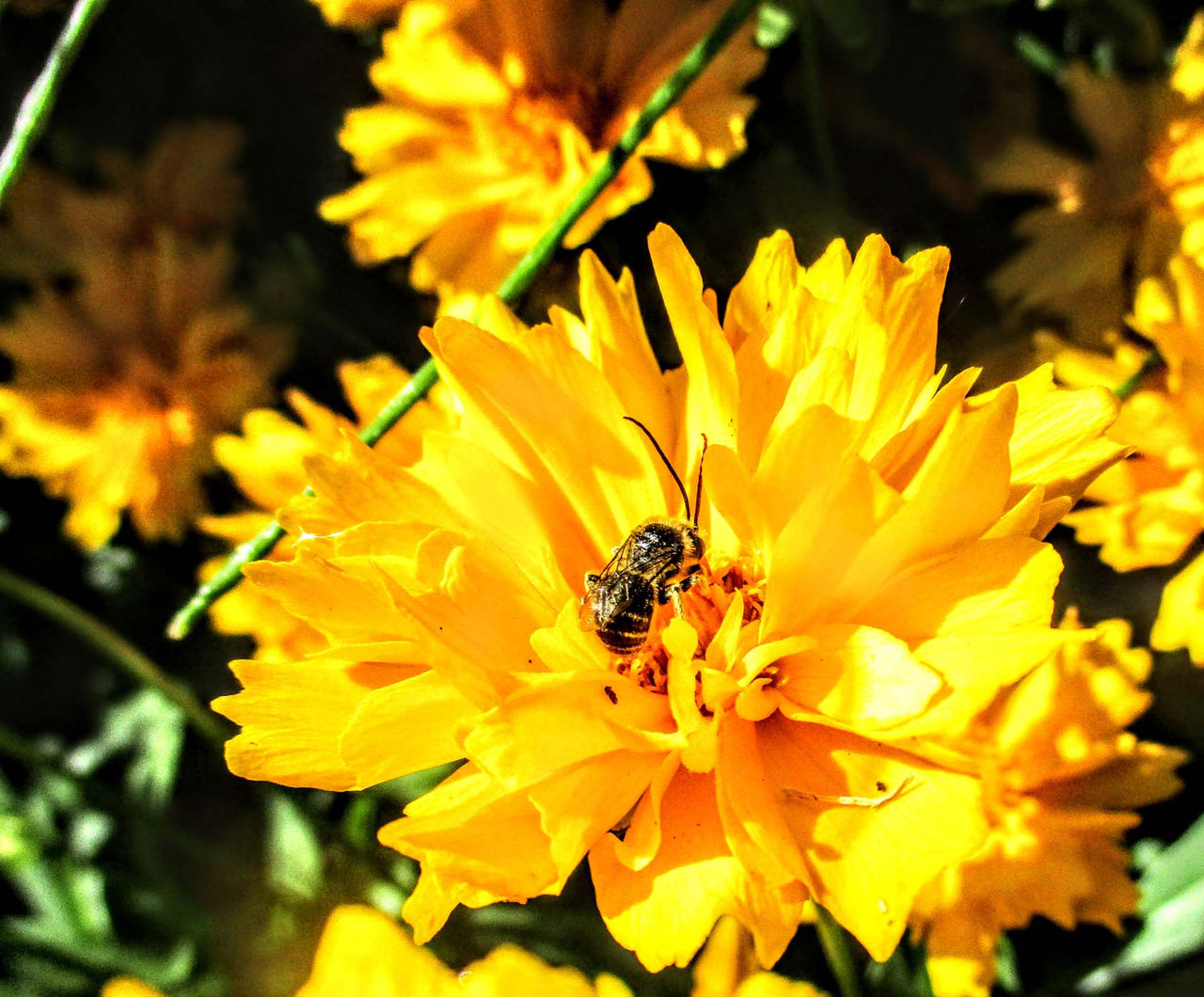
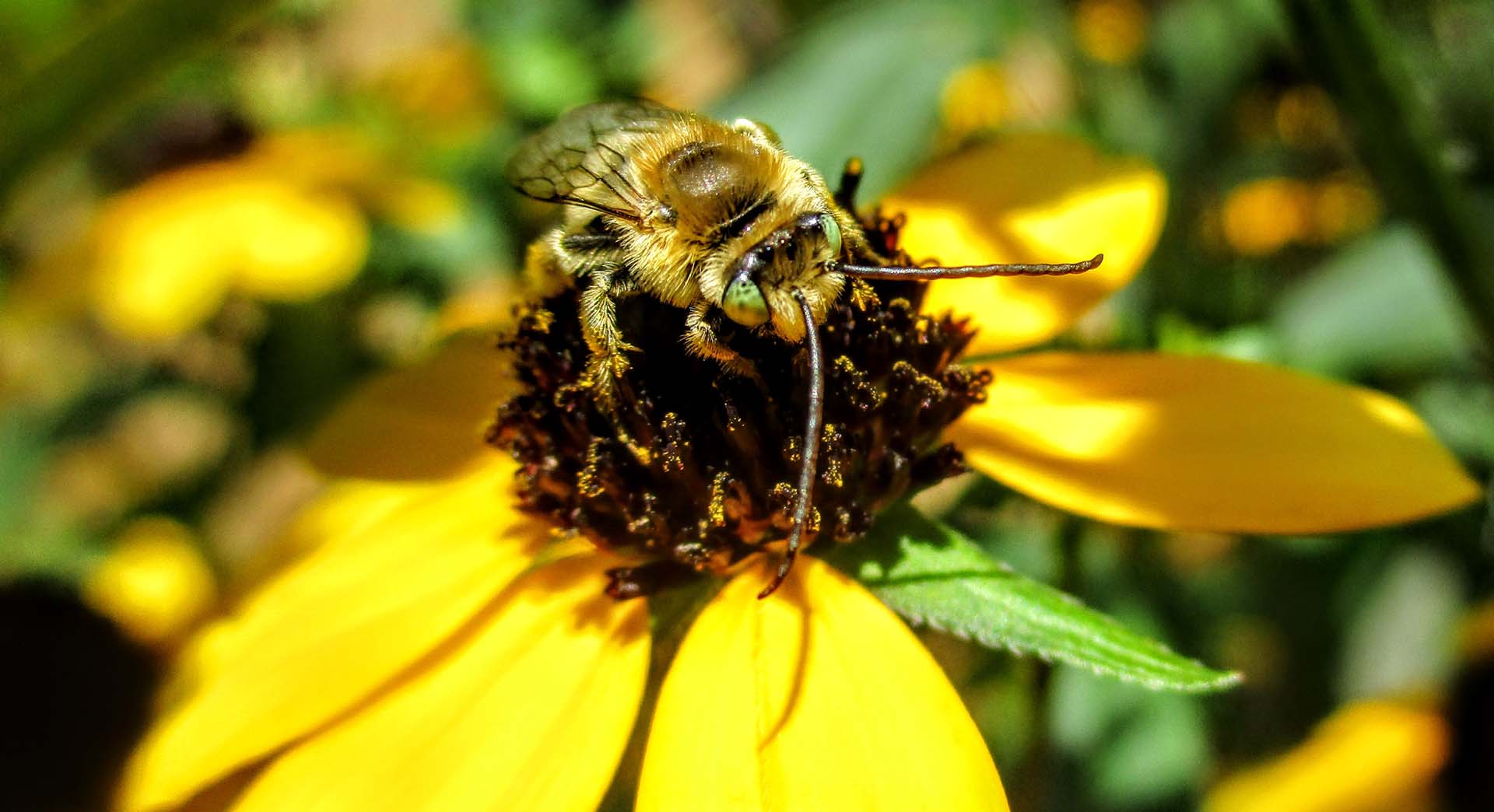
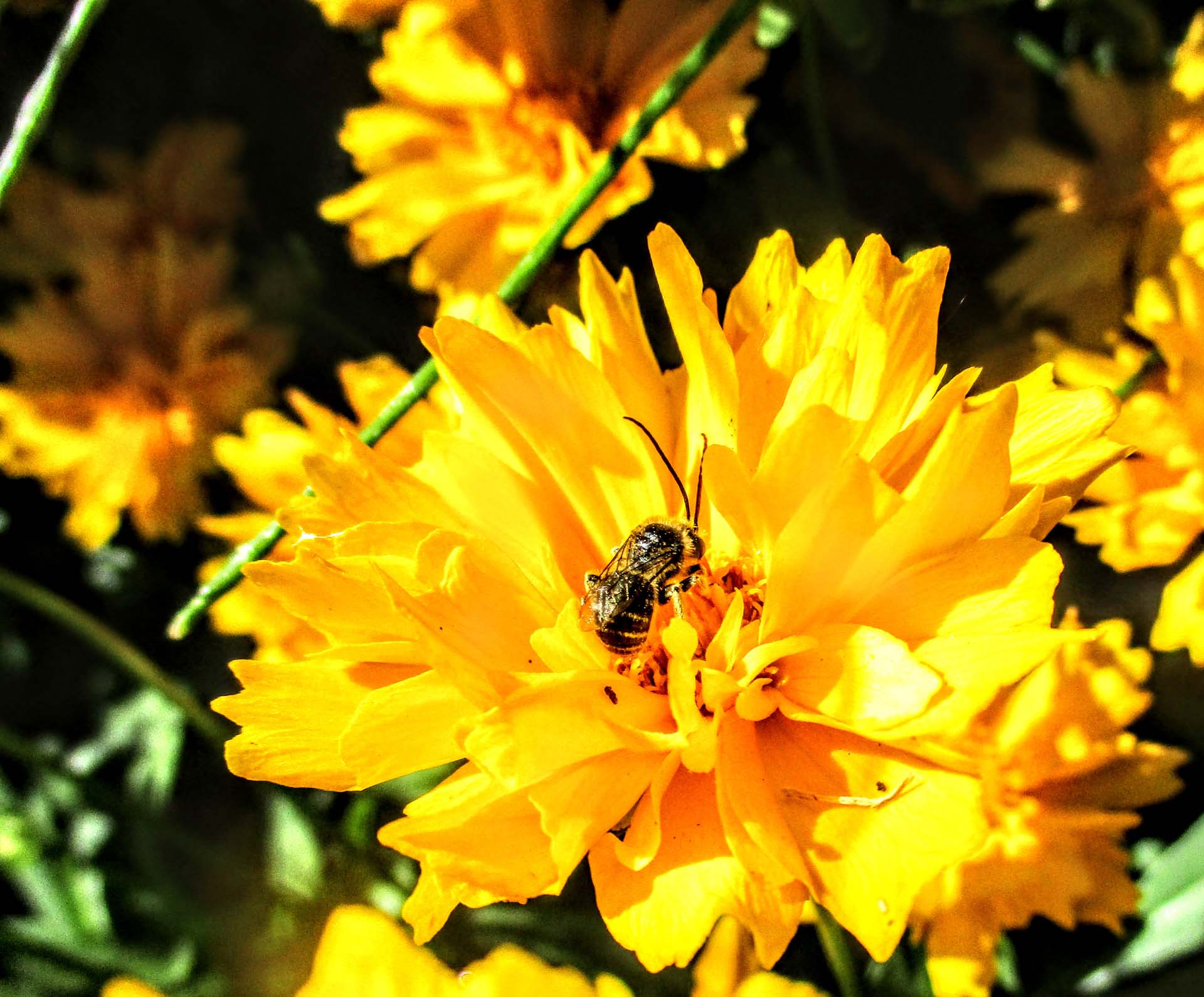
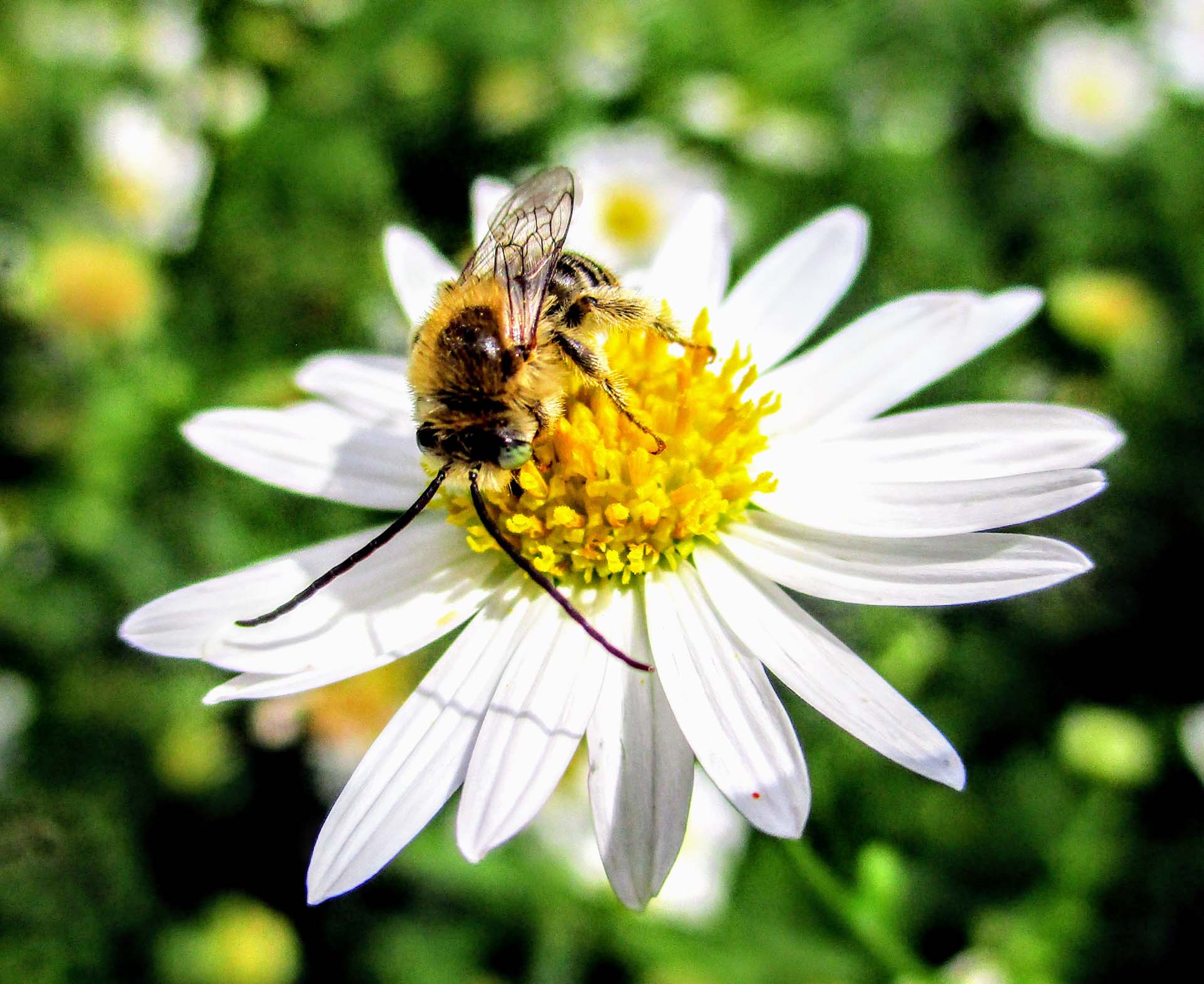
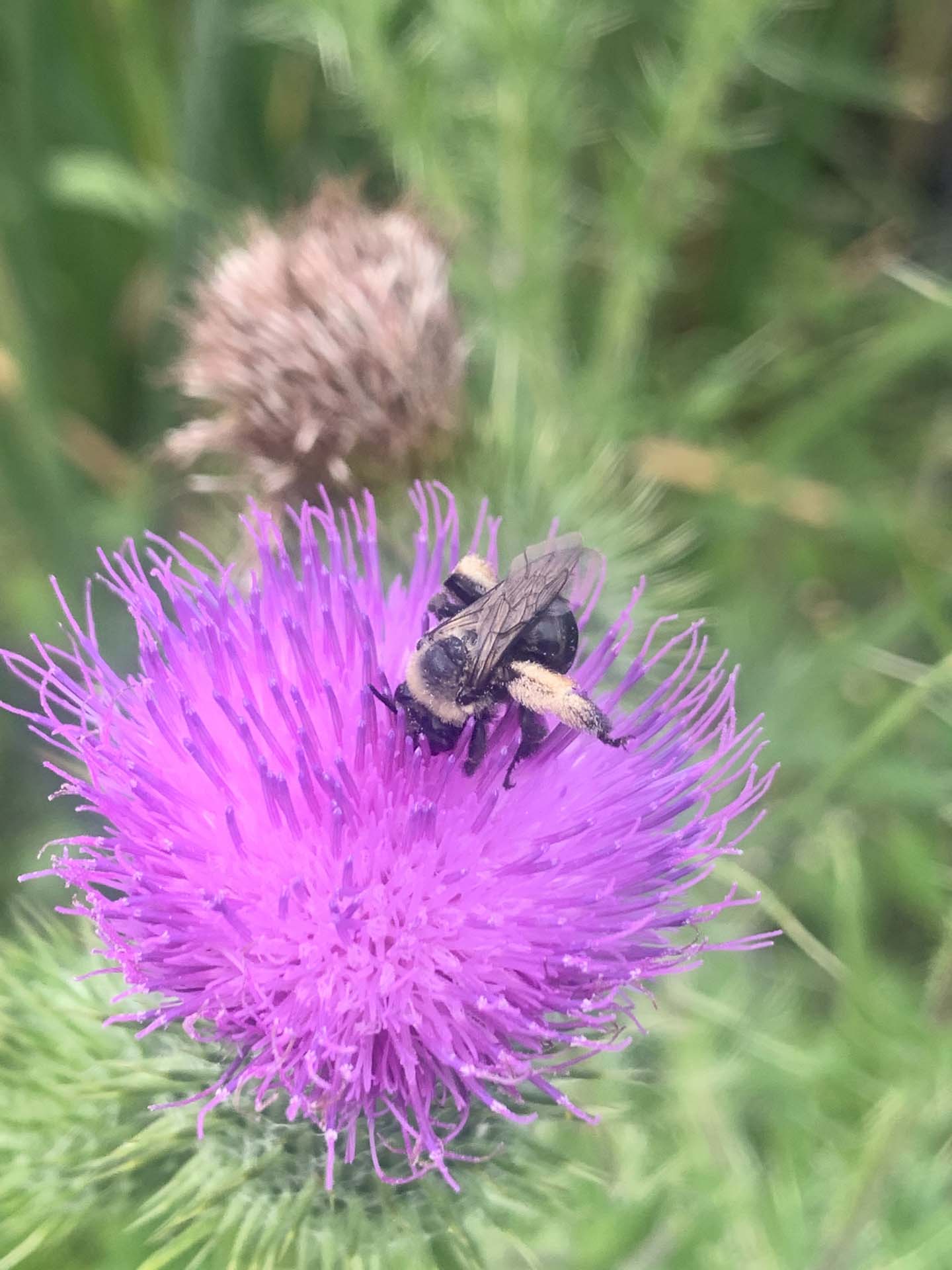
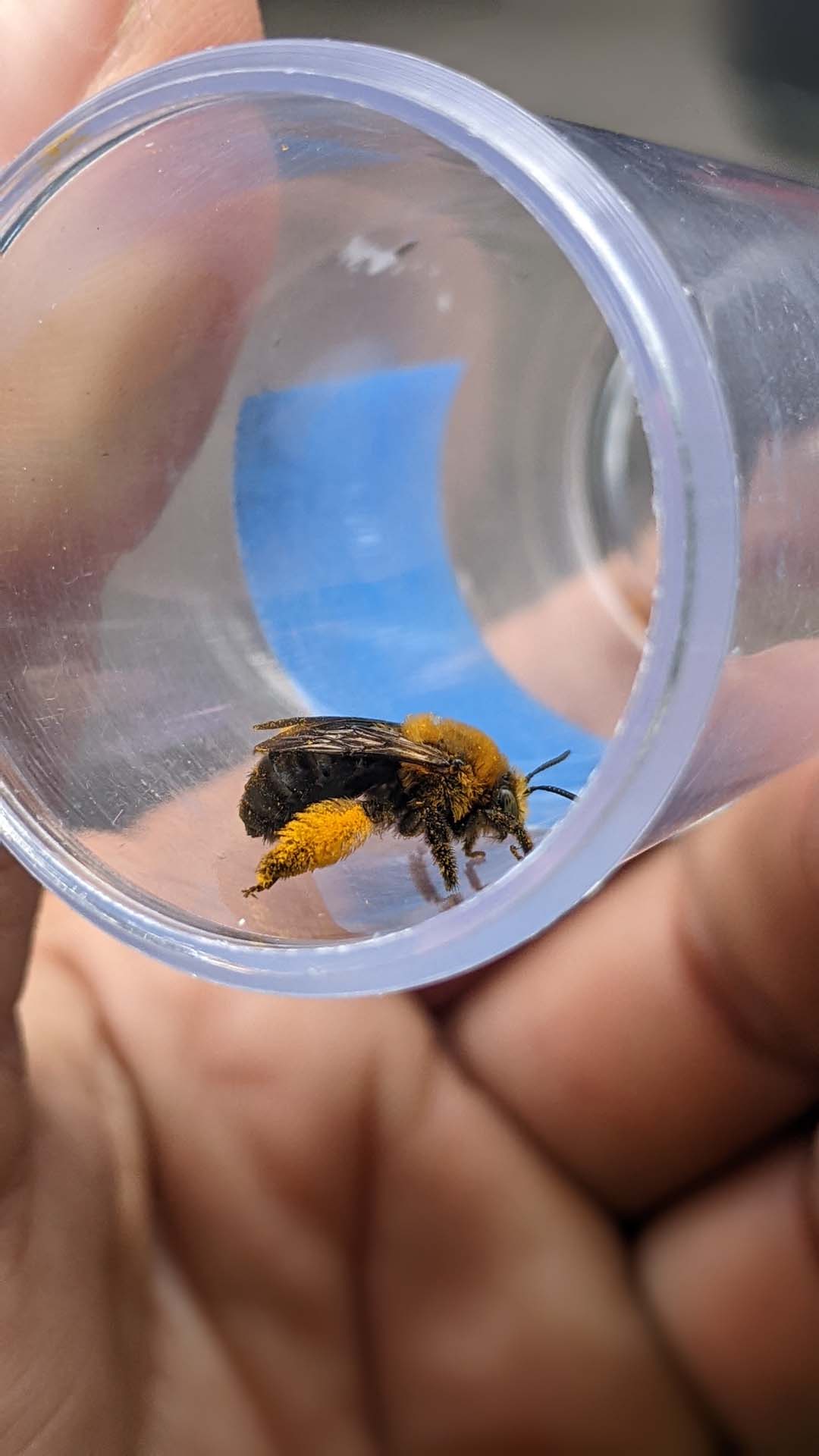
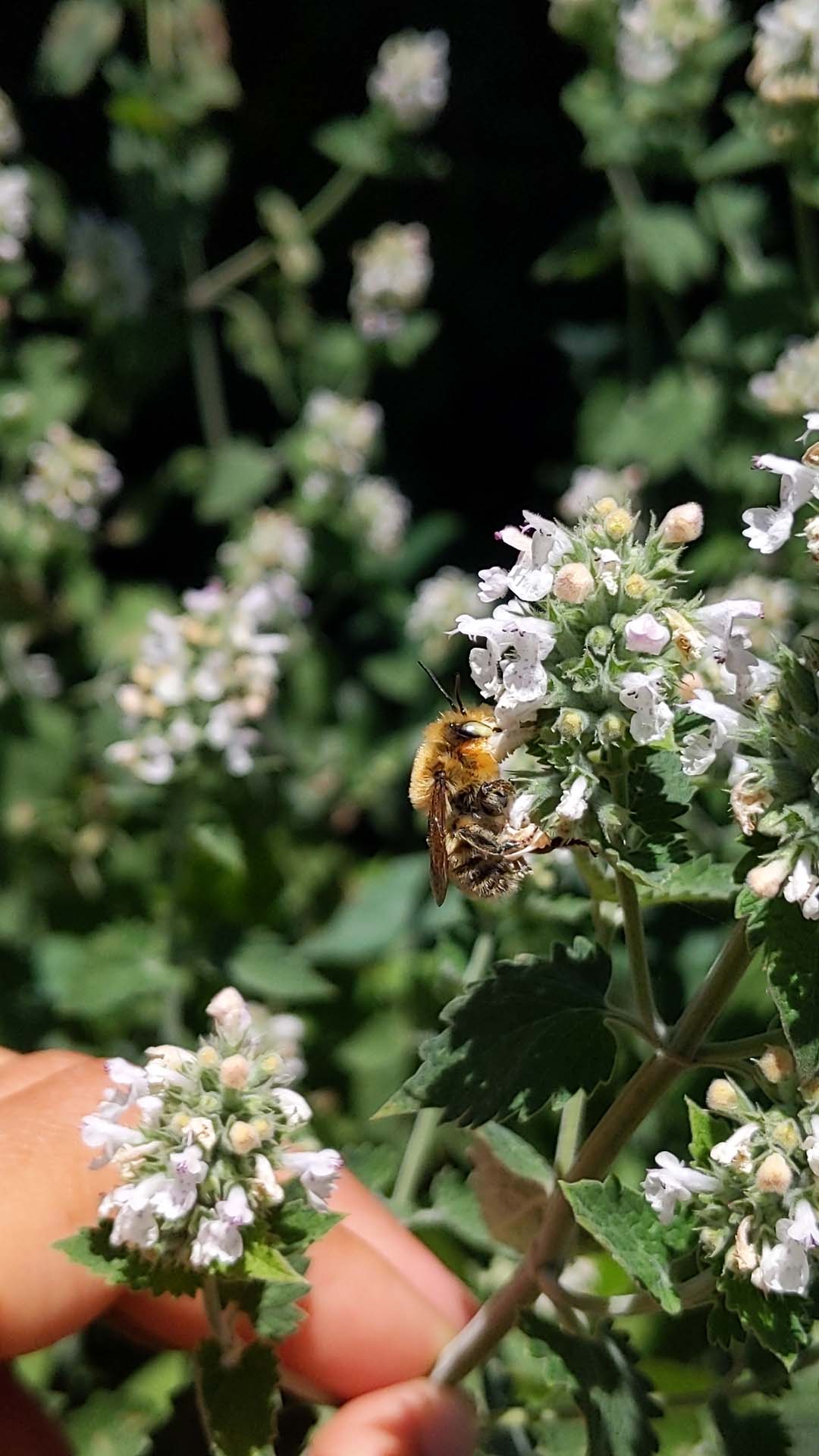
Long-horned bees are medium to large bees (10 to 17 mm) depending on species. They are named after the males’ extended antennas; there are 14 genera in this group that varies in morphology. In Canada, the main ones are Eucera (encompassing the squash bee previously presented), and Melissodes. Both genera have well-developed scopae on their hind legs with thick hairs that are usually white, orange or black.
PHOTO GALLERY
|  |  |
 |  |  |
Feeding Habits
Eucera are active early in the spring-summer while Melissodes have a later activity period in the summer/fall. Eucera bees include both specialists and generalists, but Melissodes have mostly specialists. Most of them specialize on the sunflower family Asteraceae, although some bee species prefer other plant types.
Nesting Habits
Long-horned bees are solitary ground-nesting bees, though some appear to be communal sharing the same nest entrance. As with other bees that make their nests in the ground, they line them with waxy secretions.
Neat Facts
Males sleep inside flowers or on plant stems, sometimes together in a cluster, hanging on with their jaws and/or legs. It is a common behavior among solitary bee species.


