There's Something Fishy Going On...
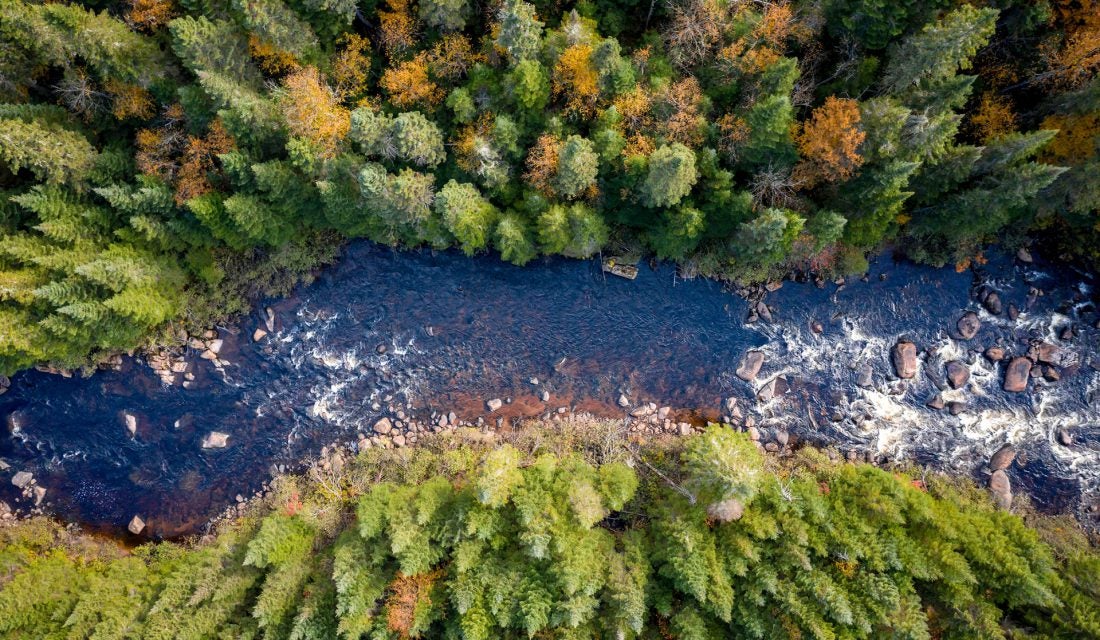
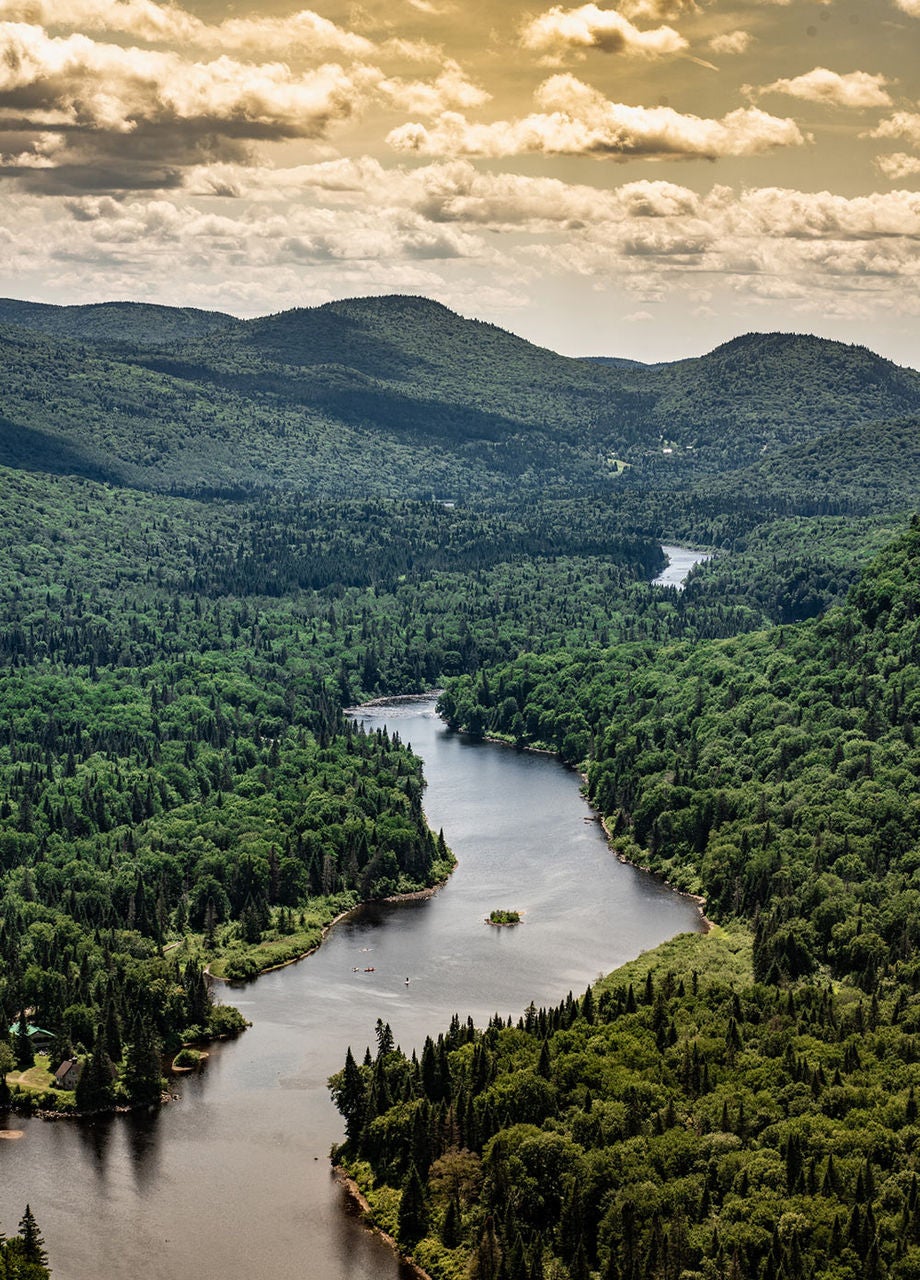
Water is necessary for life, and in Canada we live in watersheds that provide drinking water, irrigation, industrial water sources, hydropower, recreation opportunities and habitat for wildlife. A watershed is an area that channels rainfall and snowmelt into a river or stream, and this water eventually makes its way to reservoirs, bays, and oceans.
What happens in a watershed matters to the health of our waterways, and the animals that live in them. It’s why Canada’s Fisheries Act requires any project in and around water to be evaluated for possible environmental harm.
Big projects like dams and mines trigger extensive reviews and hearings, but sometimes little projects slip through the cracks-- such as the installation of a pipe or culvert in a stream under a new road. On their own, small projects may not seem like a big deal as they are often classified as low risk in their review under the Fisheries Act and allowed to proceed. However, the piecemeal approval of small projects means there are hundreds of thousands of them in Canada, and their cumulative effects are adding up. Over 1300 hockey rinks worth of damage happens in fresh waterways every year (that’s 2,000,000 m2)
Death By a Thousand Projects
Through the Fisheries Act, Canada’s Department of Fisheries and Oceans (DFO) has the regulatory power to maximize environmental protection on small projects. For example, infilling a shoreline with concrete blocks would be considered a serious offense under the Act. However, no charges related to small projects have been laid in three of the past four years that DFO reports have been available.
Why then, are small projects getting away with violations of the Act?
One of the problems lies in the volume of project applications. To deal with the high number of applications, DFO has developed a risk assessment process to fast-track projects considered “low risk”. This helps alleviate regulatory workload and wait times for project proponents. However, many of these small projects still destroy important habitat for fish and other wildlife during construction and after they are built. When added together over time, a little habitat damage from many small projects becomes a lot of habitat destruction, especially in areas with intense development pressure.
What We Hope to Achieve
DFO has the regulatory power to ensure small projects receive adequate scrutiny and are implemented with maximum environmental protection. The Canadian Wildlife Federation is asking the Canadian Government to commit to implementing the Fisheries Act in the following ways:
- Take a watershed approach. Evaluate the carrying capacity of the watershed in questions.
- a: How will this new project add to the cumulative effect of existing projects in the watershed?
b: Should a new project be allowed in the watershed?
c: Is there a better location in the watershed for the project?
d: Can the proponent offset their project by restoring habitat at another location in the watershed?
- a: How will this new project add to the cumulative effect of existing projects in the watershed?
- Monitor the impact of projects. DFO should follow up and evaluate the impact of projects. They should ensure compliance with the Fisheries Act.
- Develop policy around the Fisheries Act that dictates better building and regulations. Provide project proponents with better guidance and directives on how to minimize environmental harm. Require proponents to consider the cumulative impact of other projects in the area as part of their application. Use the tools in the Act to put the policies in place.
STOP Habitat Loss Now Petition 2023
Letter to the Government
Dear Minister of Fisheries and Oceans Canada,
I support the Canadian Wildlife Federation’s Stop Habitat Loss Now petition asking you to:
- Stop ignoring small projects on Canada’s lakes, rivers, streams, and coasts that are destroying aquatic habitat and killing fish. This must include using all the conservation and habitat protection tools the Department has under the Fisheries Act to ensure the thousands of small projects that destroy and alter habitat annually do not add up to big impacts for our fish and wildlife.
- Canada has the regulatory tools to protect aquatic habitat and restore the legacy of degraded areas. What is needed is action by the Department of Fisheries and Oceans Canada to apply the habitat protection legislation and STOP habitat loss now for a healthy future for fish and wildlife.
Add Your Voice!
Why Is This Issue So Concerning?
Across Canada, many small projects and construction activities occur in and around rivers, lakes and streams every day. These include dredging, excavation, the installation of water intakes, shoreline hardening, and the installation of dikes, culverts, and water crossings. Many of these small projects have an impact on water quality and habitat. Here are some examples.
Poor culvert installation
Poorly installed culverts can be a barrier for fish migration in rivers and streams. Fish often have a harder time moving through culverts than most other kinds of crossings or natural waterways. There are several reasons for this. For example, culverts can increase water velocity, making it difficult for fish to swim upstream . They can become easily blocked with woody debris. Culverts frequently become perched above the waterline over time and can be full barriers to fish passage. These barriers have serious consequences for fish, including loss of spawning habitat, failure to reproduce, and exhaustion from fighting delays in their migration route. Culverts can also be barriers for amphibians and small mammals, affect the composition of mollusks and aquatic insects in streams, and unintentionally encourage the movement of some non-native species .

Erosion prevention and shore stabilization
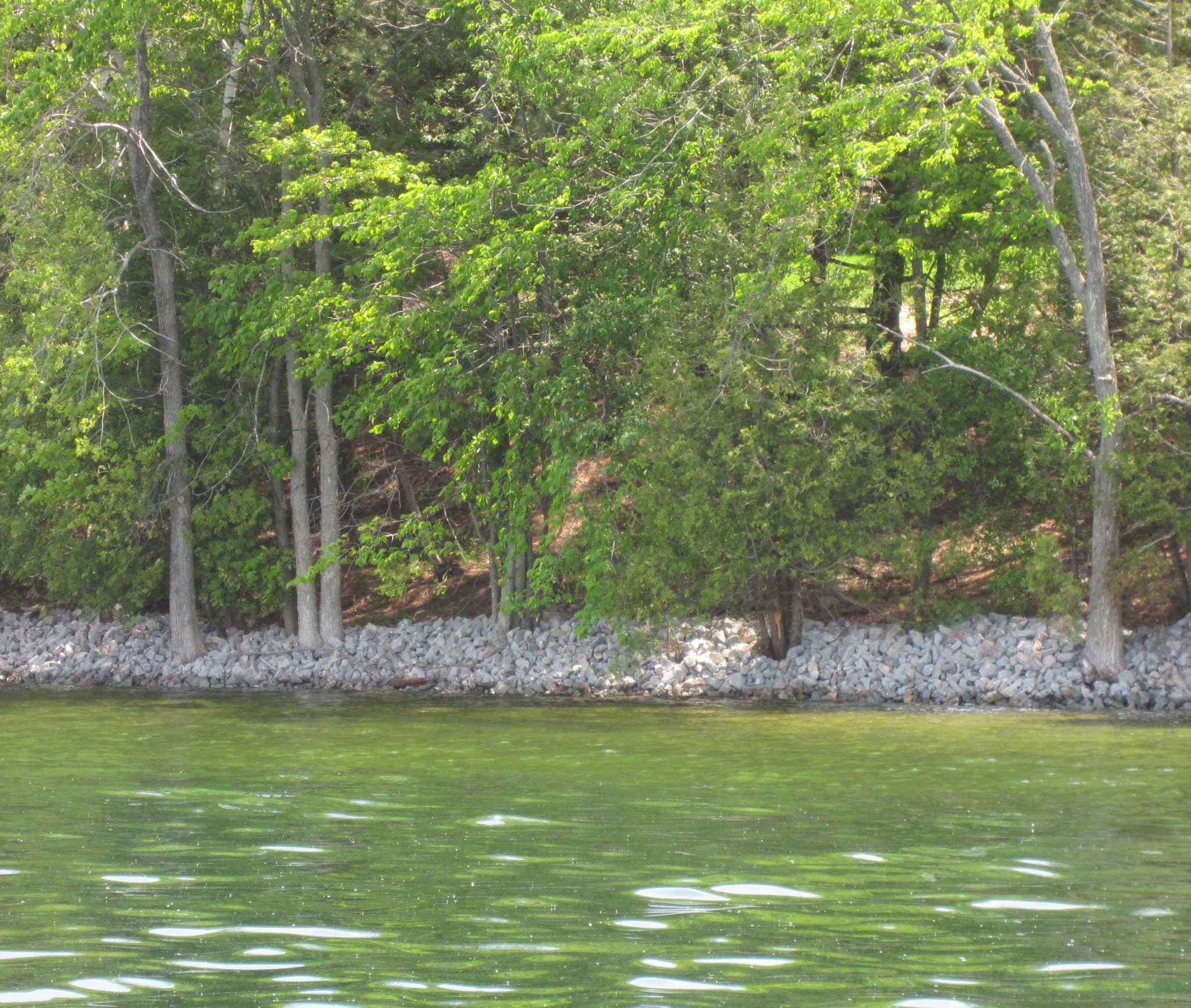
Large stones like granite and modular concrete blocks called “rip rap” are used for erosion control and to stabilize shorelines. While in some places this can be beneficial to wildlife, when it is used unnecessarily in previously natural areas it can result in the removal of shade-providing plants and other vegetation that are important parts of fish habitat. Rip rap can retain heat and lead to local thermal pollution. On a watershed scale, it can affect habitat by restricting the natural migration of the water channel, decreasing natural sediment deposition, and interfering with the movement of gravel and wood in waterways . The gaps between rip rap rocks can trap turtles, particularly hatchlings , and the addition of rocks to previously natural shorelines can destroy habitat for frogs, toads, and nesting birds .
Water intake pipes
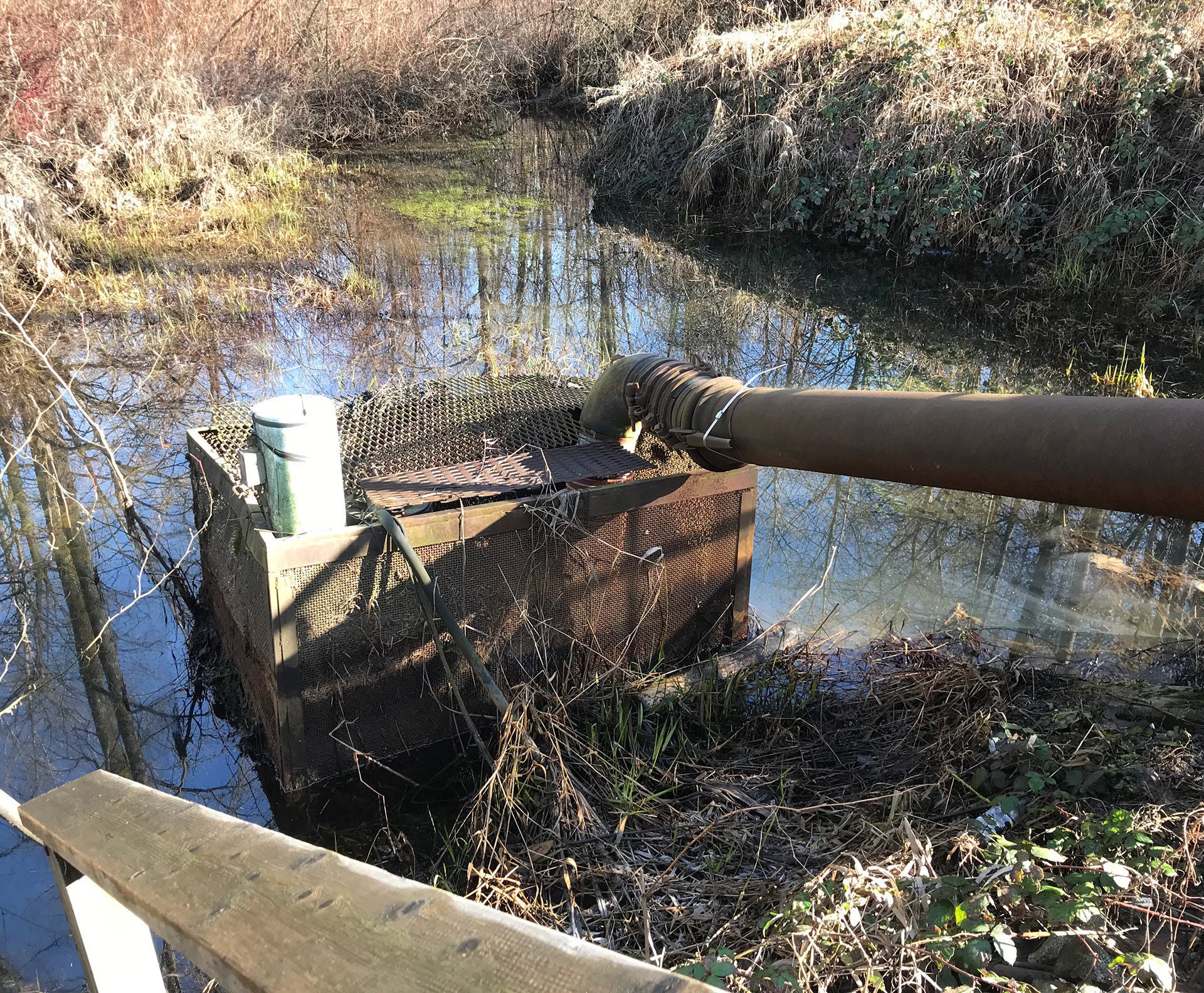
Water intakes are an important part of our water distribution system, but installation issues and lack of maintenance can impact fish and wildlife. Pipe installation can result in the loss of shoreline habitat and the release of sediment and other materials into the waterway. This sediment can make the water cloudy, clog fish gills, interrupt reproduction and potentially cover up fish food. Unscreened (or improperly screened) intakes can allow fish and wildlife into the pipe where they die or sustain lethal injuries.
What Are Some Examples of Affected Species?
When added together, a series of small construction projects can have a big impact on fish such as trout, salmon, sturgeon, bass, and walleye. Turtles, amphibians, and water birds can also be affected. Here are examples of two species affected by the cumulative effect of small projects.
Spiny Softshell Turtle
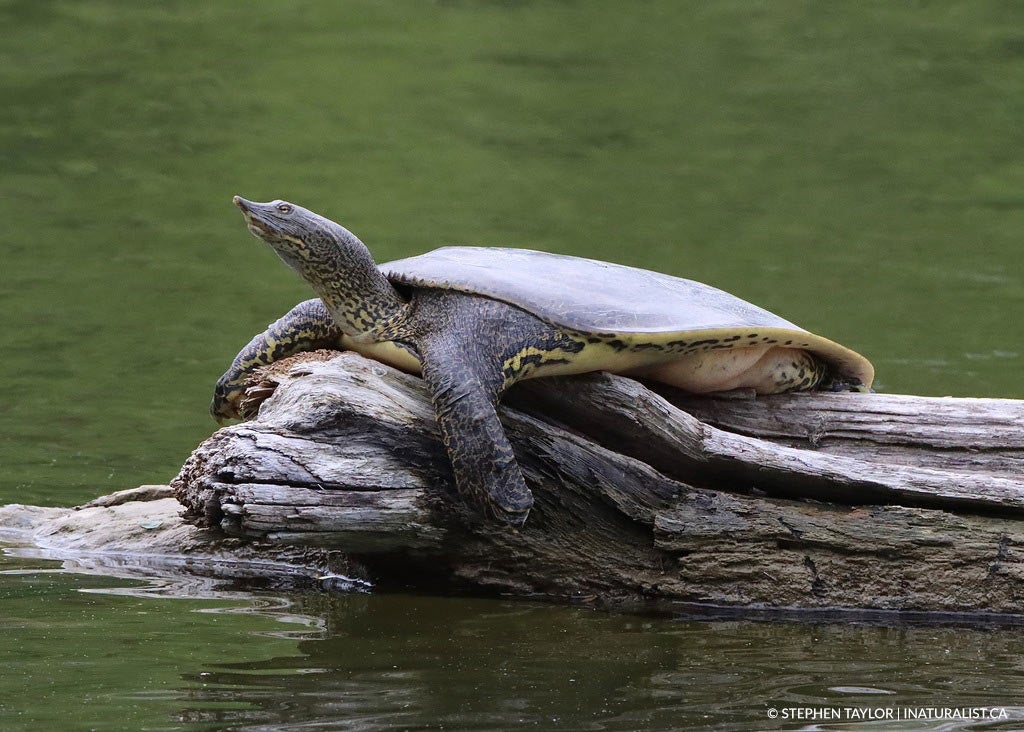
- Spiny Softshell turtles love the mud associated with many freshwater shorelines in Southern Ontario. They’ll often bury their uniquely flat bodies in the muck and use their long tubular noses as a snorkel. In early summer each year, female turtles seek sand or gravel sites to make their nests. But these days nesting sites are hard to find. Shoreline and riverbank stabilization projects have reduced softshell habitat. These projects happen everywhere, including urban areas where erosion mitigation measures prevent turtle access. These measures include concrete retaining walls, large boulder armoring (AKA rip rap) and gabion baskets. Not only does this kind of shore stabilization prevent turtle use in most cases, but it can cause unnatural water flows and change sediment dispersal potentially further altering habitat. Bank armoring and other threats have landed the softshells on the federal endangered species list. But it doesn’t have to be this way. There are alternative shore stabilization techniques that are turtle friendly.
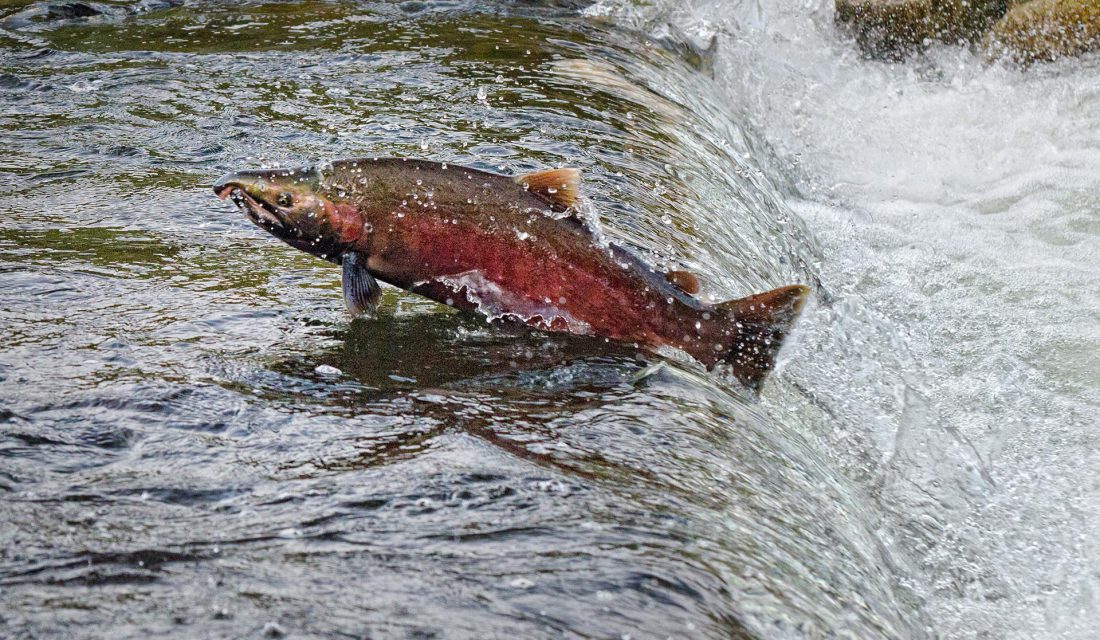
Coho Salmon
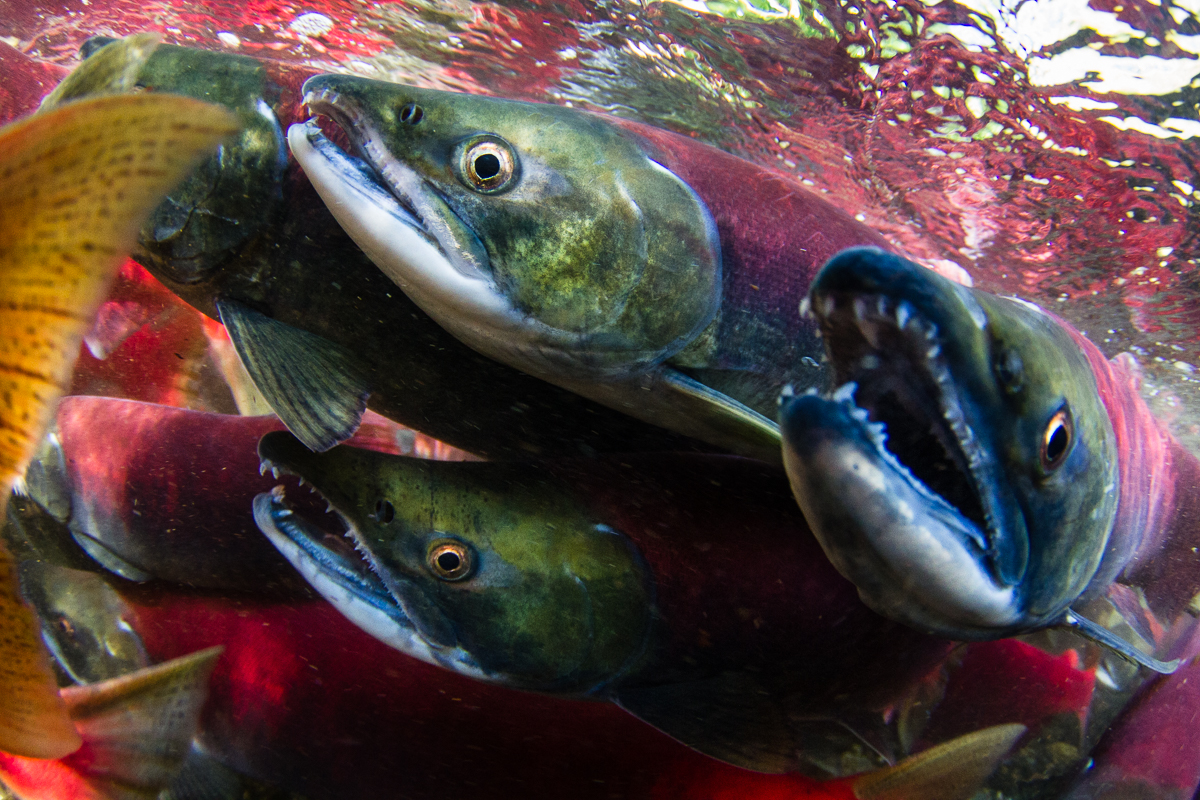
- From the time a Coho Salmon fry hatches from its egg to its return to the same freshwater system to spawn, they are on the move. They wind their way through hundreds of kilometers of streams and rivers as they navigate to the ocean and back a few years later. When in their freshwater habitat, Coho Salmon prefer very small, low gradient streams. These streams are vital to their health and survival and have many benefits. Coho grow faster in smaller tributaries and side channels compared to those that use main-stem river channels. In broad floodplains with many of these small channels, the Coho smolts (juveniles transitioning to saltwater habitat) are larger. Unfortunately, small projects and habitat alterations are common in these streams. In the agricultural area of the Fraser Delta, BC, channel dredging to remove instream and shoreline vegetation is common.
Support our Aquatic Wildlife!
Please consider a donation to support CWF in our efforts to mitigate further loss to aquatic habitat, ensuring they remain healthy for the species that rely on those habitats.
Thank you for your commitment to wildlife conservation.
What YOU Can Do


Share This Petition!