

The Participants
Adrien Pages
Vancouver, BC
Azeem Syed
Toronto, ON
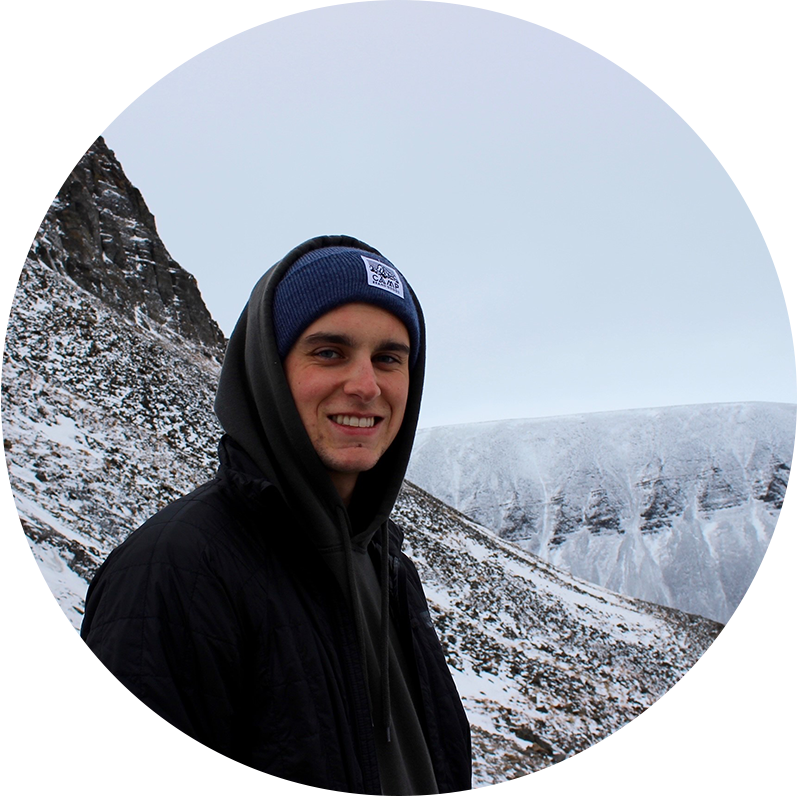
Colin Anderson
Calgary, AB

Diego Castillo Bocanegra
Etobicoke, ON
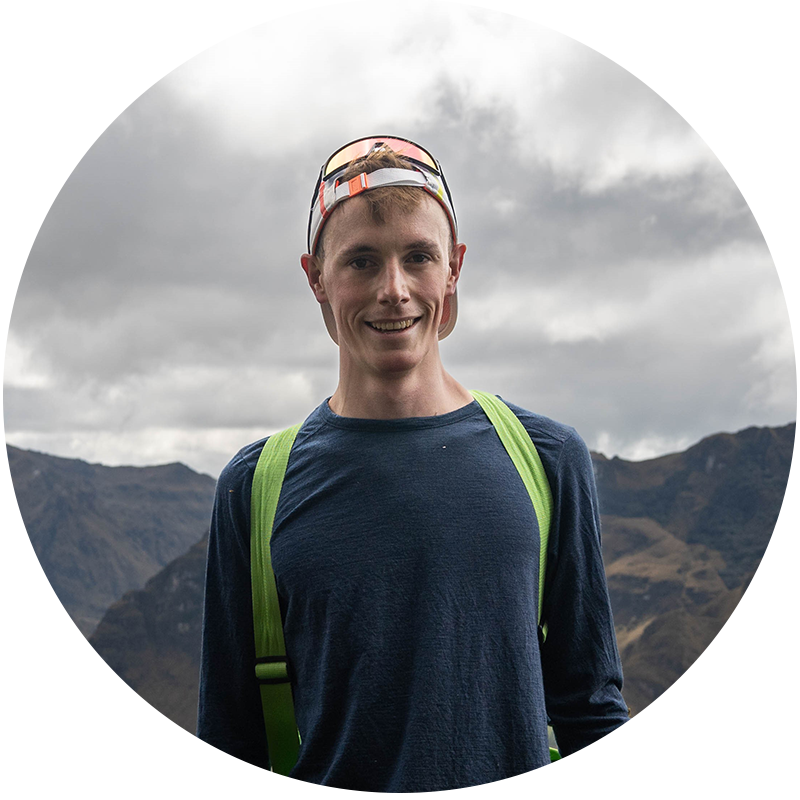
Jonanthan Halliday
Montreal, QC
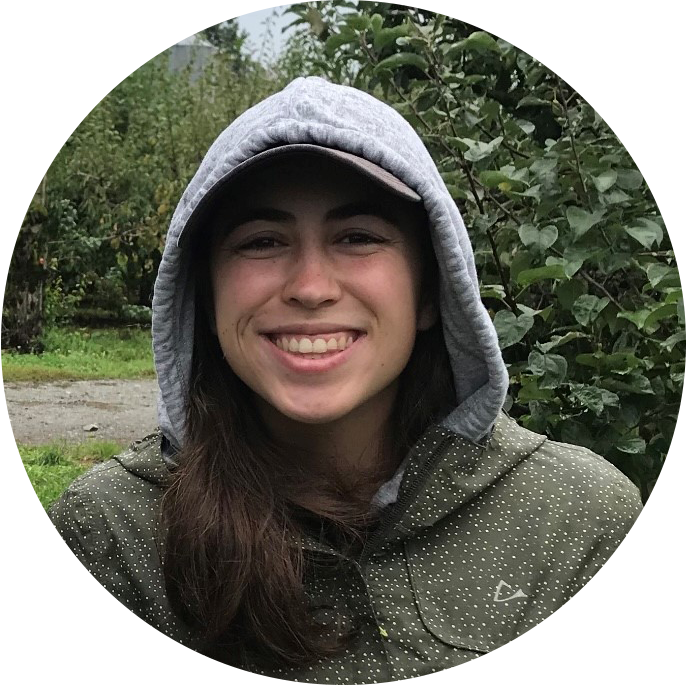
Julie McNeil
Aldergrove, BC
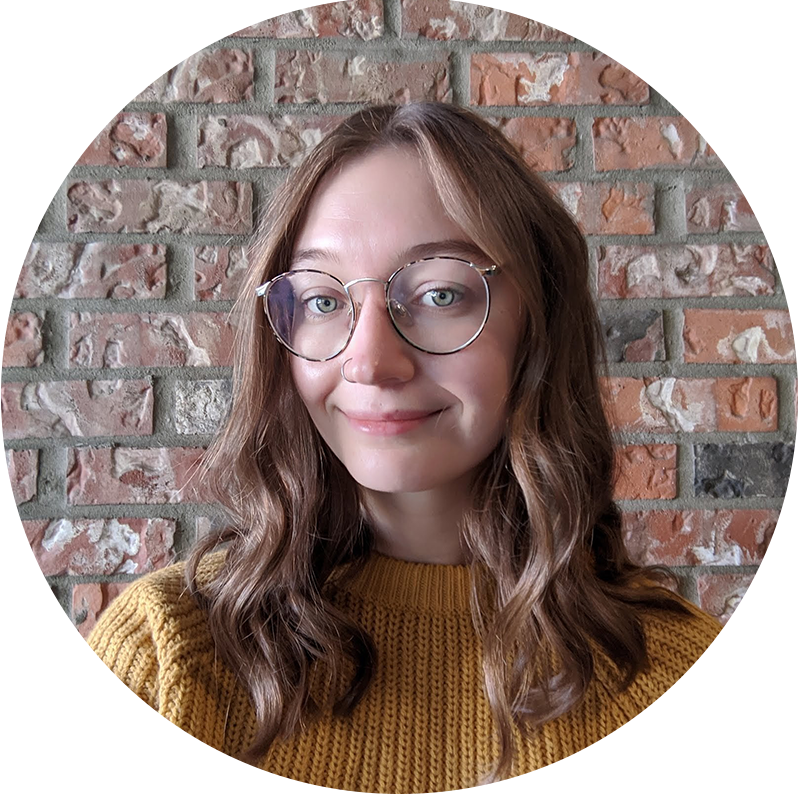
Maleen Mund
Williams Lake, BC

Matthew Halas
Calgary, AB
Mathew Pettit
Orillia, ON
Stage 1:
Winter camping and snowshoeing in Wells Grey Provincial Park, BC.
Stage 2: Conservation
Field Learning
During Stage 2, members of this group spend three months in individual field learning placements with partners in conservation across Canada. Learn more about their placements below.
NCC Alberta
Alberta
The Nature Conservancy of Canada (NCC) is the nation’s leading not-for-profit, private land conservation organization, working to protect our most important natural areas and the species they sustain. We are a private, non-profit group that partners with individuals, corporations, foundations, Indigenous communities, and governments at all levels to protect Canada’s most important natural areas, through securement and the long-term stewardship of our properties.

Cowichan Green Community
Duncan, BC
Cowichan Green Community Society, (CGC) is a non-profit organization that has been focusing on environmental sustainability in the Cowichan Region since March 2004. CGC’s mandate is to improve food security by developing strong relationships with local food producers, increasing capacity for local food production (both urban and rural), and empowering people with the knowledge, skills and resources they need to feed their community. The Resiliency Project is a CGC project launched in 2019, focused on creating native meadows throughout the community, and educating the public on pollinator habitat as an essential part of the local food system, and a healthy local ecology.
The Raptors
Duncan, BC
Our team is comprised of a group of biologists and falconers on Vancouver Island, who created The Raptors to bring people closer to birds of prey. Our goal is to educate, illuminate and encourage a sense of personal responsibility for the future of these essential creatures we share the planet with.


Saskatchewan Wildlife Federation
Moose Jaw, SK
The Saskatchewan Wildlife Federation is a non-profit, non-government, charitable organization of over 32,000 members in 125 branches across Saskatchewan representing every walk of life. Per capita, we are the largest wildlife conservation organization of its kind in the world. Established in 1929, the SWF has become an acknowledged leader in the conservation field.
Wildlife Rescue Society of BC
Burnaby, BC
Admitting over 6,000 patients per year, the Wildlife Rescue Association of BC is the highest admission wildlife rehabilitation centre in western Canada. WRA runs a wildlife hospital and helpline located on a single site at the edge of Burnaby Lake. Currently the centre accepts only birds and bats to the facility and is the only centre in BC’s Lower Mainland to rehabilitate bats. The facility is not a sanctuary, the goal is always to release animals back into the wild, and to educate the public on how to live in harmony with urban wildlife.

Stage 3: Outreach, Service and Community Impact Development
In this stage, CCC participants will be able to take what they’ve learned in the first two stages and incorporate that knowledge into meaningful community outreach and impactful service projects. From developing pollinator education programs for the classroom to hosting informative podcasts that expose new audiences to discussions on the top environmental issues of the day, these projects are developed and delivered by CCC participants with the goal of having a positive impact on both their home communities and Canada. Explore every completed CCC project here to see the impact our program is having across Canada and to get inspiration for how you can better your community and local wildlife.

Learn More
- 0
- 1