

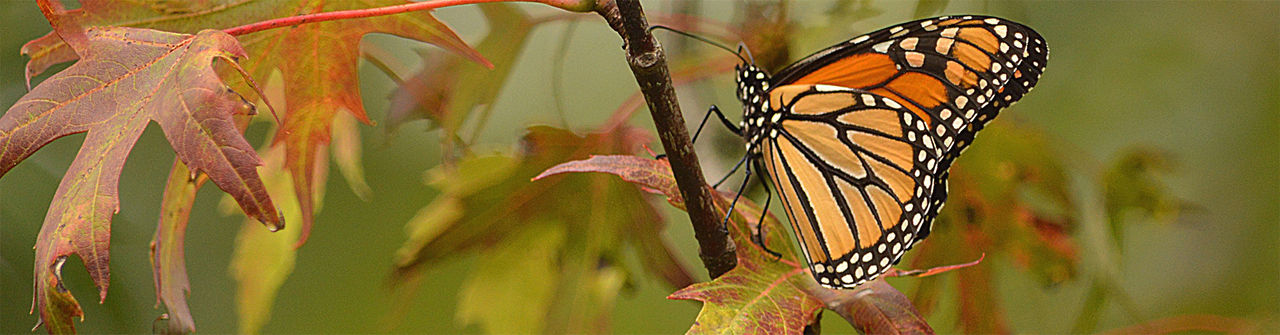
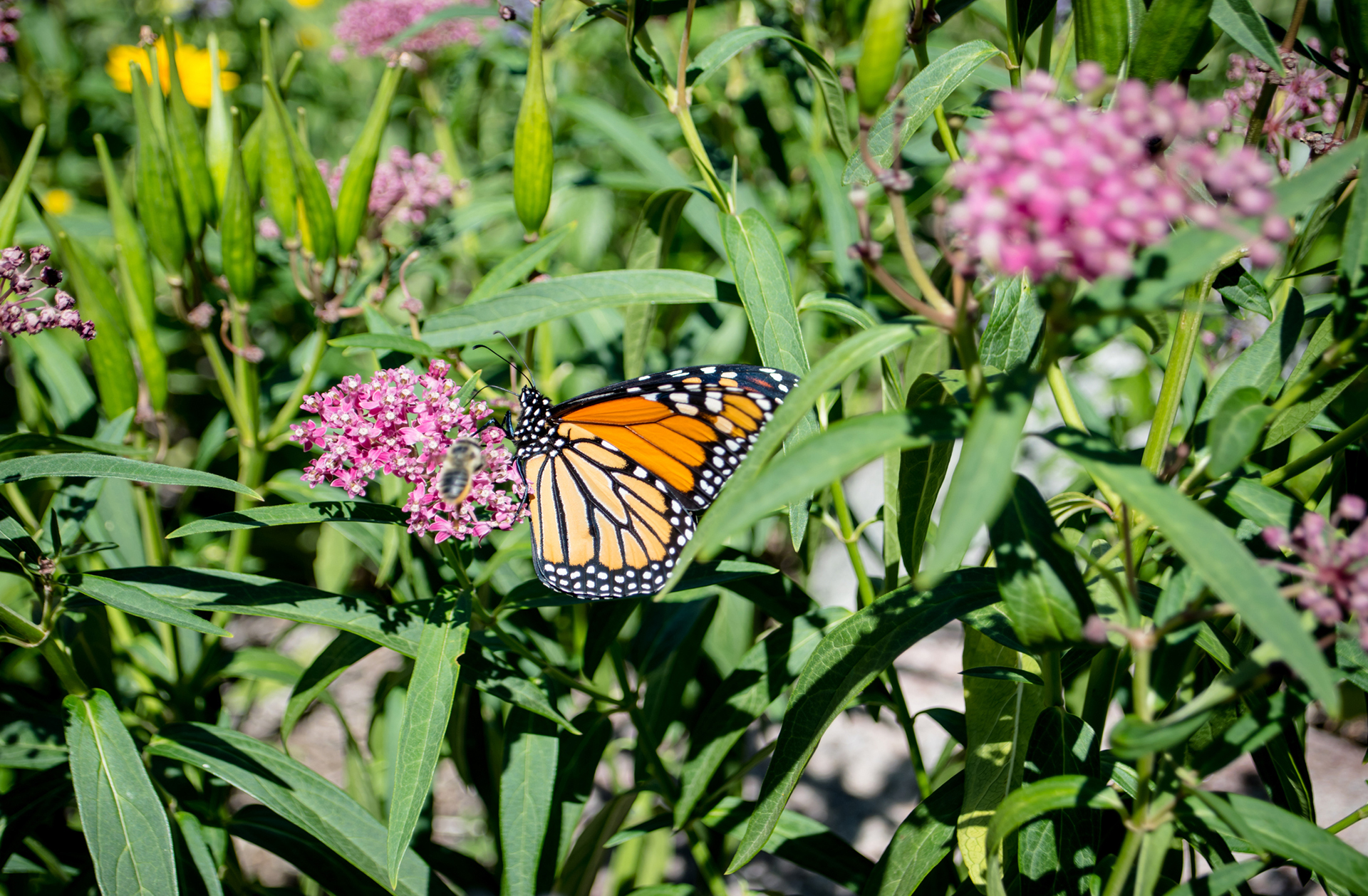
This winter we received some good news about Monarch Butterflies. The yearly count for Monarchs that overwintered in Mexico showed an increase of 144 per cent over last year’s numbers. This made it the highest count since 2006. This was welcome news for a species whose numbers have declined by more than 70 per cent in the past 20 years.
Why did they do so well last winter? It was really a perfect storm – or lack of a storm that helped! They had the right weather conditions during their spring and summer breeding seasons as well as during their fall migration. This all led to about six hectares of forest in Mexico being covered by these majestic butterflies during the winter. That’s up from 2.48 hectares that was occupied just the previous year.
If the weather conditions stay in the Monarchs’ favour as they make their way north, we should be seeing more Monarchs this summer! But just because their numbers are up this year, doesn’t mean they don’t need our help! They face many threats including habitat loss, herbicides and pesticides, as well as climate change. We can’t stop just because they had one good year.
What can you do?
- Plant native milkweed. Monarch caterpillars feed exclusively on milkweed and the adults need milkweed to lay their eggs on. But we’ve lost a lot of milkweed from the landscape. You can help by planting milkweed in your gardens. If you live in Nova Scotia or Manitoba, be cautious as to which species you plant! Common Milkweed is considered a Class One noxious weed (can’t be planted) in Nova Scotia and Common Milkweed and Showy Milkweed are a Tier 3 (low level of concern) in Manitoba. Click here to learn more about milkweed and Canada’s native species.
- Use alternatives to pesticides. Pesticides are not only used to wipe out milkweeds but some, like neonicotinoids (the most widely used pesticides in the world), are contaminating the very flowers that Monarchs and other pollinators visit, impacting their ability to survive and reproduce. If buying plants, make sure they are produced without neonics and check out these great pesticide alternatives.
- Plant a variety of plants. Adult Monarch Butterflies will flutter from flower to flower collecting nectar. Not only will Monarchs benefit from your beautiful plants, but so will many other pollinators. Include some native plants in your garden along with any other favourites that you have. Be sure to check out each of our four plant kits, each one customized with neonic-free plants that are designed to attract bees, butterflies, hummingbirds and Monarchs!
- Report your Monarch sightings. Join our Monarch Project on iNaturalist and submit your Monarch observations! Your observations will help scientists and resource managers know when and where Monarchs are being spotted.


