

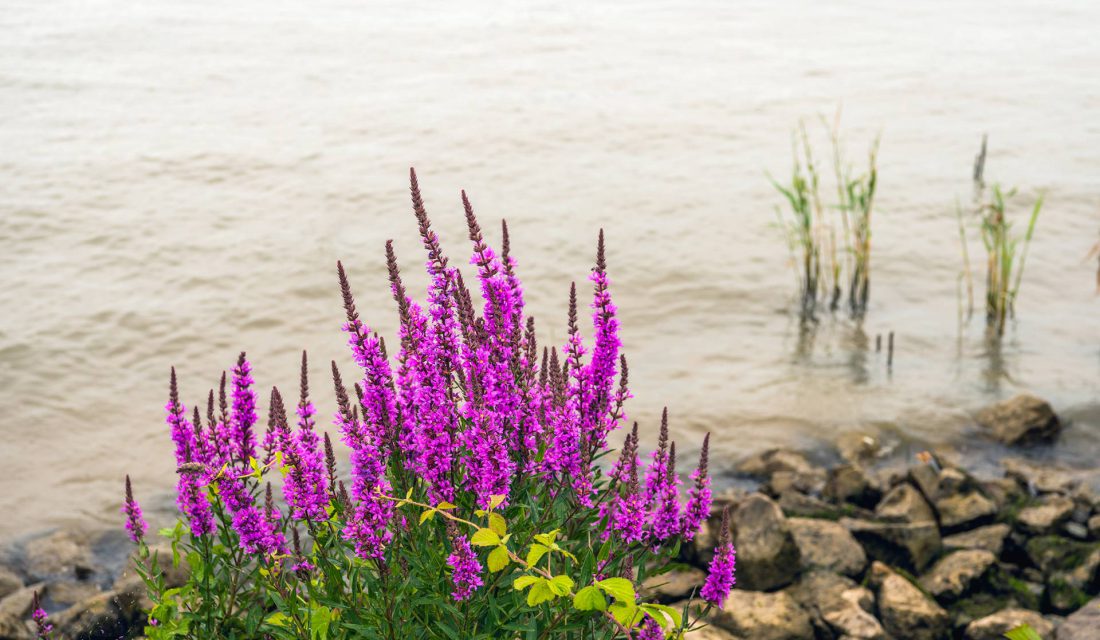
Q. I moved into a new home and it has an invasive plant in the front garden. Should I rip it up?
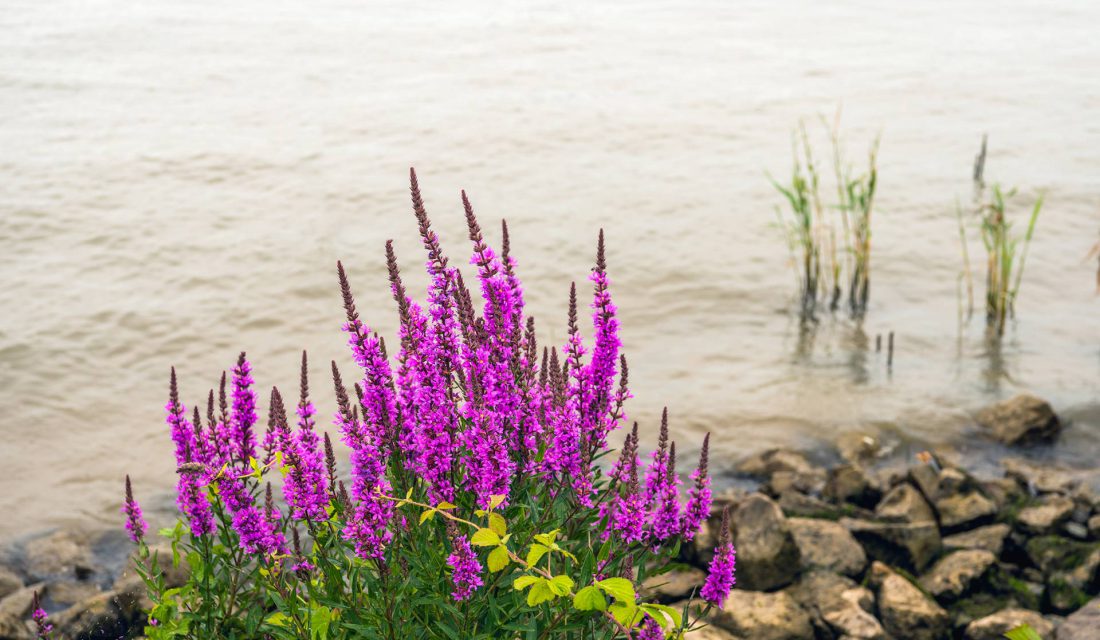
A. Invasive plants are definitely cause for concern as they can out-compete native species, reduce biodiversity and alter habitats. Hand pulling is often a recommended method to remove invasive plants from our gardens. However, this isn’t always the case! For instance, with small populations of Dog-strangling Vine, digging to remove the entire root crown is advised as hand-pulling can produce numerous shoots from the root fragments.
It’s always best to do some research to verify the invasive plant you have and the best way to remove it so not to make the situation worse. There are a few dos and don’ts when it comes to properly disposing of invasive plants:
Do remove all parts of the plant the best you can, including seeds and roots. Place everything in a black plastic garbage bag. Tie the garbage bag and leave it in the sun for a minimum of one week. This will make sure all parts of the plant have died before disposing.
Do remove invasive plants from your garden as soon as they are discovered, ideally before they have a chance to flower and produce seeds.
Don’t dispose of invasive plants in a natural area or your compost.
Do dispose of invasive plants (after they have been in a black garbage bag for at least one week) through your local municipality. Please do not place invasive plants in compost.
Do continue to check the area over the next few years and continue to remove and properly dispose of any new growth.
Do buy your plants from a garden centre that focuses on native plants, if possible. Some invasive plants may be sold unknowingly from retailers so be sure to ask questions. You can use CWF’s Native Plant Encyclopedia to see if a plant is native to your area and visit our Canadian Native Plant Suppliers List to find a native plant nursery near you!
Do read this blog for more information on invasive plants and for a list of organizations that can provide regional guidance.


