

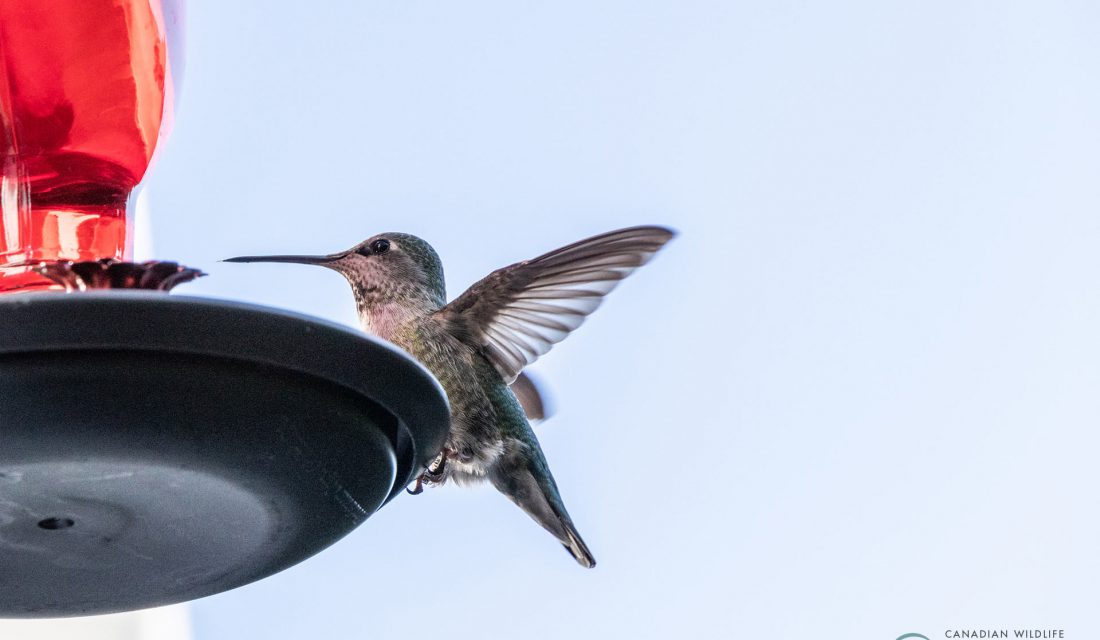
Q. I want to feed the birds, but I’m worried it’s going to stop them from migrating south. Will I be messing things up for them if I feed them?
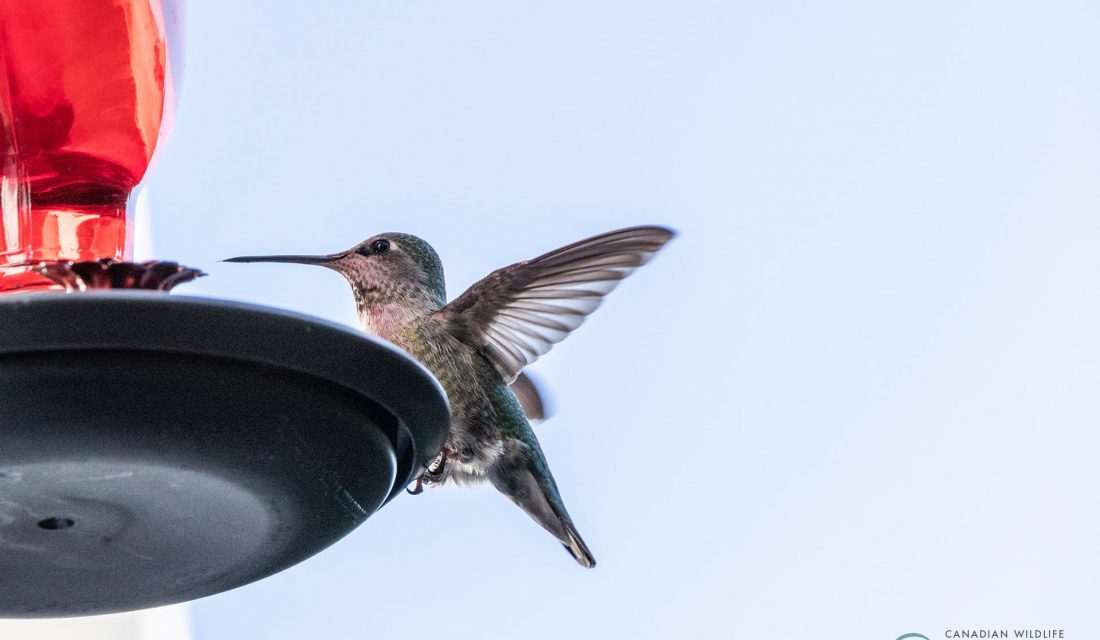
Feeding birds will not keep them from migrating. There are both environmental and biological factors that indicate to a bird when it’s time to begin migrating south including:
- Food availability
- Temperature
- Day length
- Body condition
- Social cues
- Hormones
That’s right – even hormones! As days get shorter with less hours of sunlight, hormones are triggered that cause birds to become restless, eat more and to join together in flocks. There’s a German term for this called ‘Zugunruhe’ which means migratory restlessness.
People often ask this question about hummingbirds but again feeding will not keep them from migrating. Some even encourage leaving hummingbird feeders up for a few weeks after the last one is spotted, just in case there’s a few that are a bit behind and may benefit from your sugar-water.
You can also grow a variety of regionally native plants, plants that offer nectar, fruit, seeds and nuts. These locally native plants have co-evolved with wildlife over thousands of years and provides your visiting birds the nutrients that their bodies need in their natural form. By incorporating plants that bloom from early spring to late fall you’ll be providing birds with an ample food supply. Not only will birds benefit but a myriad of other wildlife will benefit too! Trees and shrubs will also provide birds with much needed shelter, not only in the summer but they will also be appreciated by our non-migrating birds in fall and winter.
To help find plants that are native to your area, even plants that specifically benefit birds, visit our Native Plant Encyclopedia. We also have a Native Plant Suppliers List if you need help finding a native plant nursery near you.


