


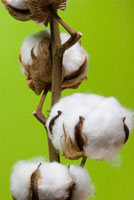
In a word — yes! Cotton is a vegetable fibre that's renowned for being lightweight, breathable and soft, but these benefits come at a serious cost to the environment. Cotton is the most toxic crop on Earth because of its dependency on pesticides. Every year, global cotton producers use 10 percent of the world's pesticides (25 percent of all agricultural pesticides), which have devastating impacts on wildlife and humans. Cotton production also requires massive amounts of fertilizers, including nitrogen — responsible for one third of all agricultural-sourced greenhouse gases. Finally, cotton crops cover five percent of the world's land and the final clothing product takes up large amounts of space in landfills, which emit a quarter of Canada's human-based methane gas emissions.


