

Q.I live in a new neighbourhood and the city kindly planted trees on my property. How can I help them? Mulch? I don’t know what I’m doing.
A. Planting trees is a great way to add wildlife habitat to your property. They can provide food in the form of nectar and pollen from the spring flowers and then nuts, seeds or fruit in the summer or fall. They also provide shelter for nesting and resting as well as areas to hide from predators and inclement weather. Their fallen leaves even provide shelter for many species of butterflies and moths that complete their lifecycle in leaf litter, emerging once it’s warm enough in the spring!
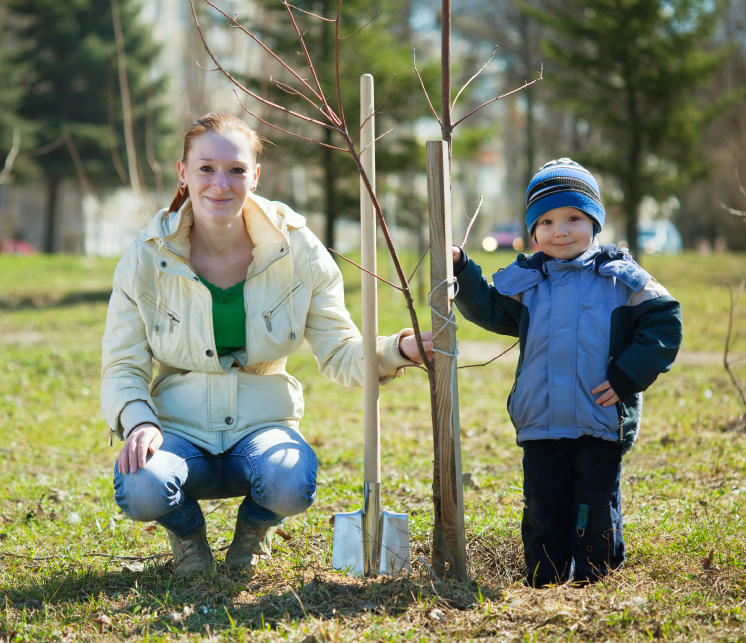
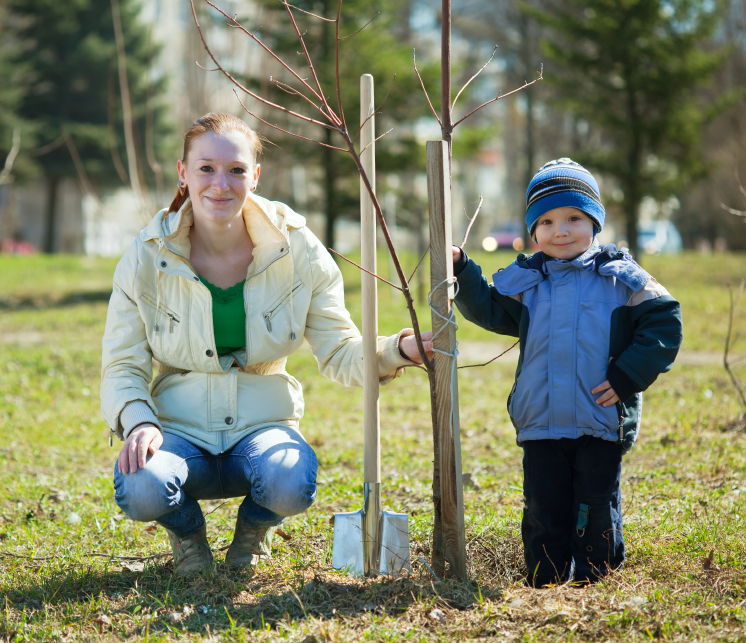
Now that your tree is planted, it does require care!

Start by watering the tree regularly to help it get established in the two or three years after planting. Make sure you water long enough for the water to make its way down to the root ball. As the tree’s roots become established, growing beyond the planting hole, it is important to water the whole area especially below the drip line (the area below the tips of branches) and a few feet beyond as this is the area where the tips of the tree’s roots are. The amount you will need to water will depend on the size of the tree, soil type, time of planting, and the amount of rainfall.
Add a layer of mulch. The best mulch is the tree’s own leaves or needles. Nature has the perfect system for keeping roots cool and moist and returning nutrients into the ground. You can also buy wood chips or straw, just remember to get undyed mulch (i.e. not black or red wood chips) and as finely shredded as possible so insects are able to move within it more easily. The tree should be mulched as far out as its drip line but remember to keep the mulch several centimetres back from the tree trunk to prevent disease. A common mistake people make is not only having the mulch touch the tree trunk but piling it up on the trunk. Keeping mulch away from the tree also discourages access by mice that might want to be cozy and hidden while nibbling on tree bark.
For more information on how you can care for your newly planted trees, please visit Canadian Wildlife Federation: How to Plant Trees and Shrubs for Wildlife (cwf-fcf.org)


