

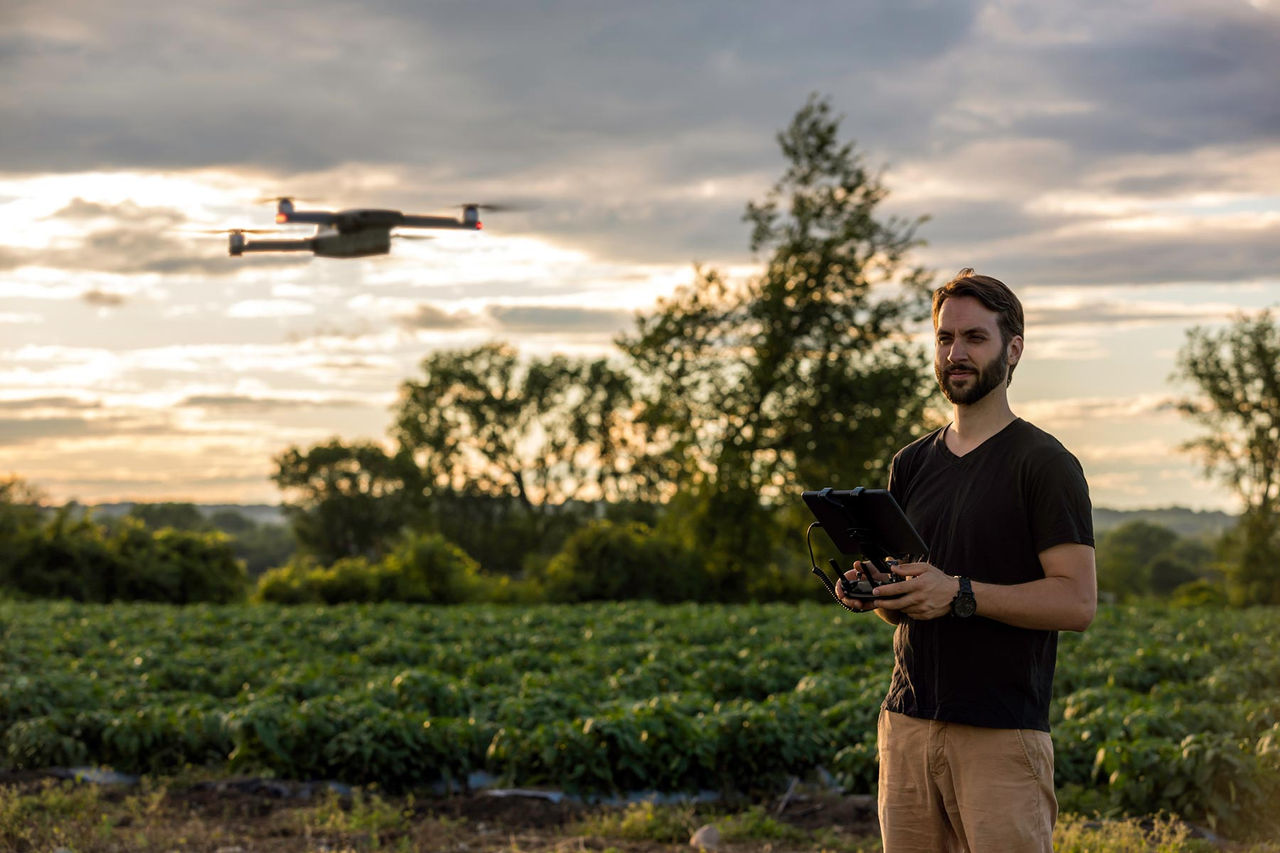

A. First, let’s get the rules and regulations for recreational drones and animals sorted! Transport Canada is the government agency that regulates the use of drones. As of July 2017, Transport Canada in consultation with other government departments determined that existing regulations, such as the Criminal Code of Canada, provide sufficient provisions to protect animals. As such, Transport Canada removed their previous animal restrictions regarding drones.
Under Canada’s Criminal Code, a person cannot cause unnecessary pain, suffering or injury to an animal or a bird.
A study was done on American Black Bears in Minnesota to determine their response to drone activity. According to this study, an animal may experience stress responses without showing behaviour changes. All bears, even one in its winter dormant state, showed consistently strong physiological responses but only occasionally exhibited behavioural changes. Their heart rates increased by as much as 123 beats per minute above what was registered before the use of the drone.
As for tips, you will want to be careful when using drones to photograph birds for recreational use. Exercise caution so as not to get too close to birds or their nests. If it looks like the birds are being disturbed, leave the area right away - but remember they may be affected by your drone without showing behavioural signs. If you do a Google image search of ‘birds of prey and drones’ you will see many instances of birds attacking drones. And just to note, recreational drones are not permitted within national park boundaries.
There’s no doubt that drones are making incredible contributions to conservation research. But for recreational users, to keep wildlife safe, remember to keep your distance!
For more information on regulations and the use of drones, visit these FAQ’s from Transport Canada.


