Background
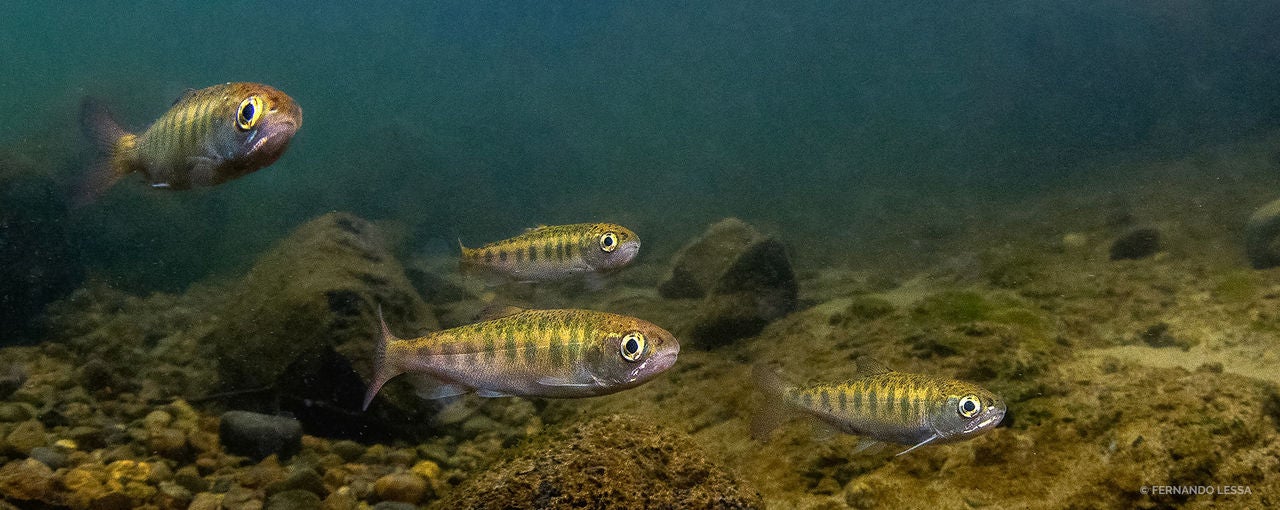
Connectivity is a critical component of freshwater ecosystems and watershed health.
The Canadian Wildlife Federation has taken a leadership role in restoring connectivity by focusing on the extent to which aquatic organisms can disperse or migrate freely through freshwater systems.
Within this context, connectivity is primarily constrained by barriers, which can include infrastructure such as dams, weirs, and stream crossings, as well as natural features such as waterfalls and debris flows. The ability to assess, quantify, and improve connectivity through the remediation of barriers is vital, because fragmentation of freshwater systems due to human-made barriers affects the integrity of ecological communities, including their productivity, species and genetic diversity, and population viability.
Program Goal
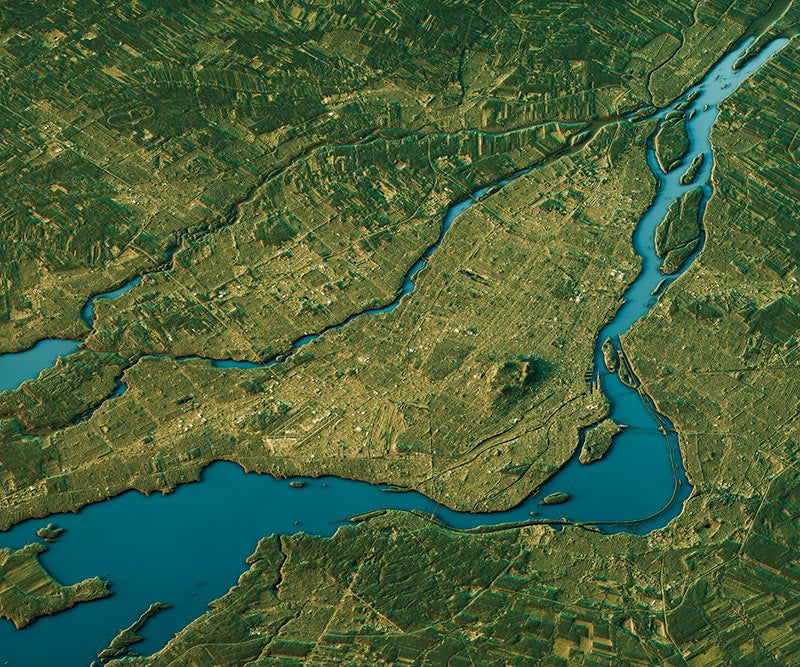
CWF’s guide to Watershed Connectivity Remediation Plans (WCRPs) helps communities develop long-term, actionable plans that blend local stakeholder and rightsholder knowledge with innovative GIS analyses to identify where remediation efforts will have the greatest benefit for freshwater target species. This includes quantifying the current degree of fragmentation within the watershed, setting a goal for future connectivity status, and identifying which barriers are most important to remediate to achieve that goal.
Plan development is a collaborative process that relies on strong partnerships.
Remediating barriers is both time and labour intensive, and as such, scarce remediation resources must be allocated strategically to maximize the ecological return on investment.
Videos
Athabasca Watershed Council launches a new project in the Berland and Wildhay sub-watersheds, with support from The Canadian Wildlife Federation
Key Achievements
- May, 2021: CWF released a 73-page English guide to Watershed Connectivity Remediation Planning. This national practitioner’s guide is available for anyone to download. A French version will be developed following review and feedback.
- August, 2021:CWF helped develop a Watershed Connectivity Remediation Plan for the Bulkley River Watershed of BC
- August, 2021: CWF helped develop a Watershed Connectivity Remediation plan for the Horsefly Region of BC
- Sept. 2021: CWF helped develop a 10-year connectivity remediation plan for the Lower Nicola River Watershed in BC
- Ongoing: CWF is helping develop a Watershed Connectivity Remediation Plan for the Elk River in BC
- Ongoing: CWF is helping develop a Watershed Connectivity Remediation Plan for the Berland-Wildhay Watershed of Alberta
In the News
-
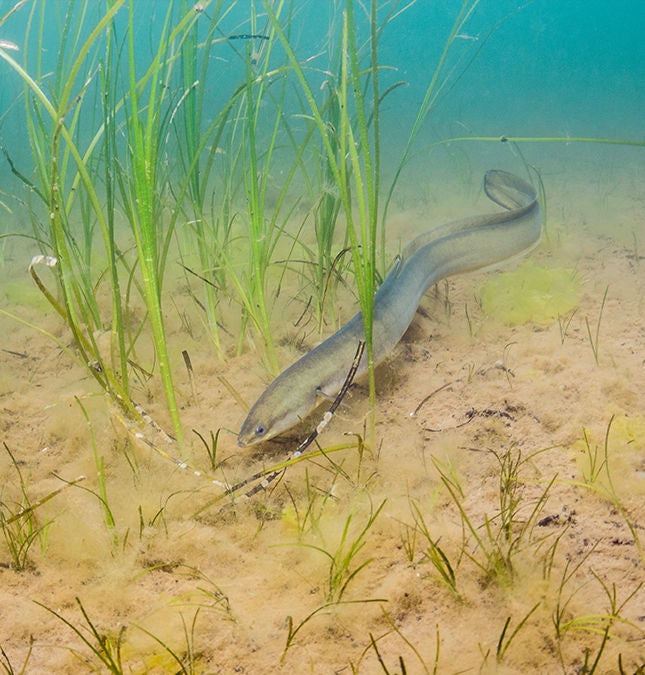
Kitigan Zibi Anishinābeg calls for safe passage for American eels on the Ottawa River
December 3, 2024 - The western Quebec First Nation is urging the provincial and federal governments to protect American eels from dangerous practices at dams in the upper St. Lawrence River watershed that have severely curtailed their population.
-
Kitigan Zibi Anishinābeg calls for safe passage for American eels on the Ottawa River
December 3, 2024 - The western Quebec First Nation is urging the provincial and federal governments to protect American eels from dangerous practices at dams in the upper St. Lawrence River watershed that have severely curtailed their population.
-
Project aims to build high-value habitat for fish in Mill Creek
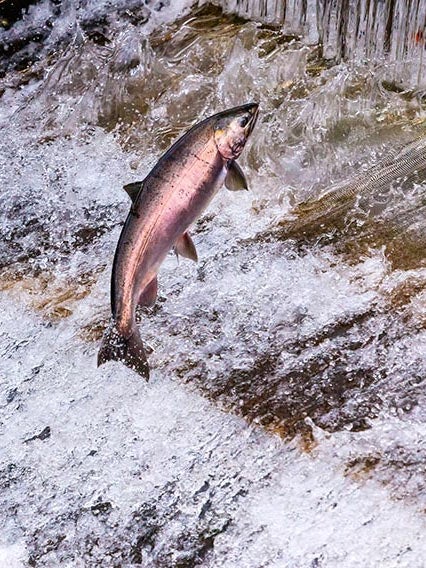
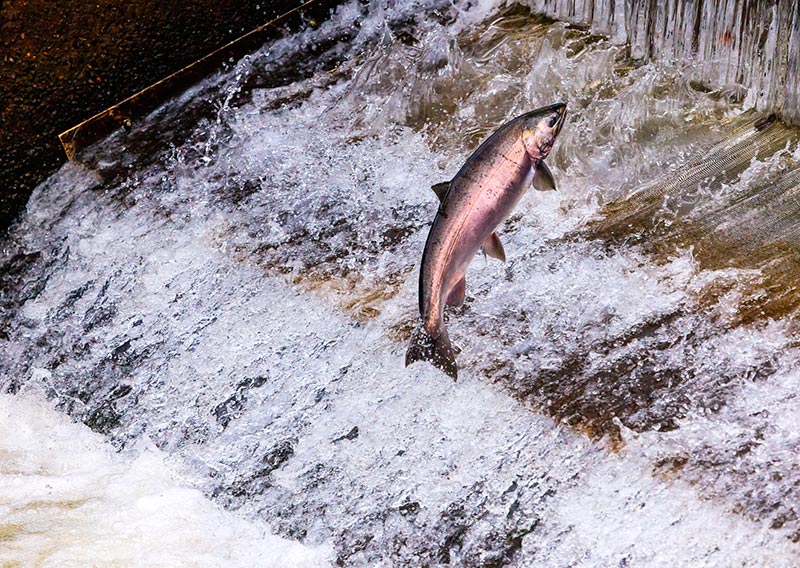
August 1, 2024 - An old concrete bridge was removed this week in a section of the Mill Creek in eastern P.E.I. The goal of the project is to make an easier passage for fish in the river, including Atlantic salmon.
-
Fish are swimming a bit easier in this P.E.I. creek thanks to bridge structure removal
August 1, 2024 - The Souris and Area Branch of the P.E.I. Wildlife Federation is spearheading the work, with support from the Canadian Wildlife Federation, the Atlantic Salmon Federation and the provincial government.
-
Cross Creek Fish Passage Restoration
March 22, 2022 - Cross Creek — Nedut’en of the Witsuwit’en Lake Babine Nation — runs through the center of Pendleton Bay Provincial Park.
-
The Aquatic Barriers Interactive Web Tool Launches, Starting With Alberta
December 21, 2021 - The Canadian Wildlife Federation is pleased to announce the public launch of the Canadian Aquatic Barriers Database (CABD)!
Acknowledgements
- The Watershed Connectivity Remediation Plans CWF helped produce for the Lower Nicola, Horsefly, and Bulkley River watersheds are part of the B.C. Fish Passage Restoration Initiative, which was funded by the Government of Canada and Province of BC by the BC Salmon Restoration and Innovation Fund.
- Federal support for planning in the Lower Nicola, Horsefly, and Elk River watersheds was also received from the Canada Nature Fund for Aquatic Species at Risk.
- CWF also acknowledges the support of the Fish & Wildlife Compensation Program (FWCP) for the Elk River watershed plan. This compensation program is a partnership between BC Hydro, the Province of B.C., Fisheries and Oceans Canada, First Nations and public stakeholders to conserve and enhance fish and wildlife in watersheds impacted by existing BC Hydro dams.
- CWF also thanks the RBC Bluewater Project for its support.
- The guide to remediation planning stems from this important work, and is now being used in Alberta and available for other regions of Canada.
Did You Know?

594
Number of watersheds in Canada

40,000
Number of dams in Canada

400
Number of structures to help fish navigate barriers in Canada
Program Lead
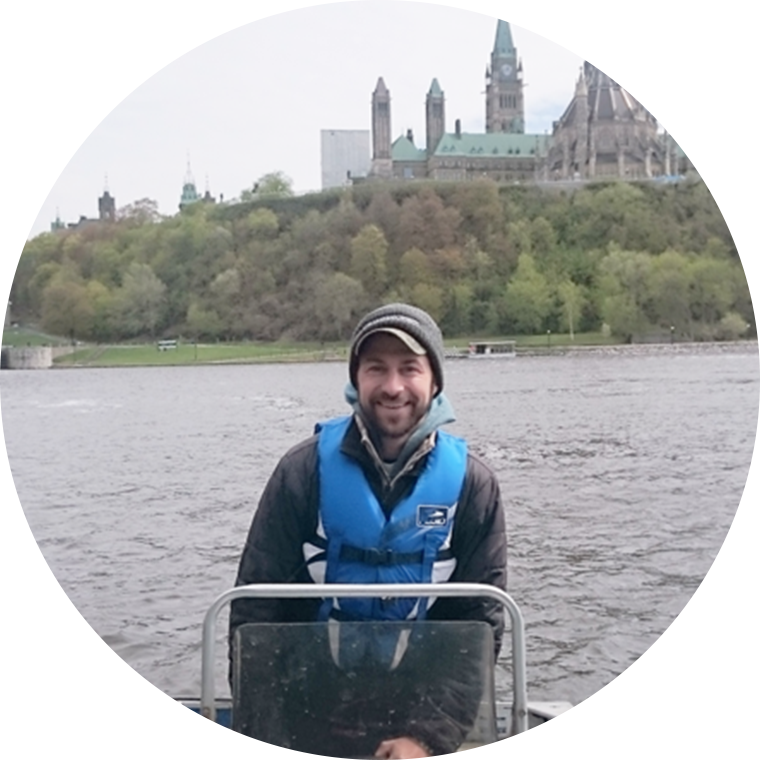
Nick Lapointe
Nick Lapointe works at the Canadian Wildlife Federation as the Senior Conservation Biologist – Freshwater Ecology. Originally from Ottawa, he completed his doctorate at Virginia Tech before returning home to work in conservation. Nick studies aquatic habitat, restoration and invasive species while working to protect freshwater fisheries, biodiversity and species at risk. He spends his free time fishing, hunting and foraging in Ottawa’s hinterland.
“Fish barriers like dams and dykes have been identified as a critical reason why many fish stocks are in decline,” says Nick Lapointe, CWF’s Senior Conservation Biologist for Freshwater Ecology. “It’s more important than ever that we take a good hard look at these barriers and start fixing them to allow fish to migrate freely.”

Thank You!
Alberta Ecotrust is Making it Easier to Go With the Flow
We are delighted to announce that Alberta Ecotrust has awarded our Watershed Connectivity Planning in the Berland-Wildhay project the prestigious 2023 Environmental Impact Grant! With this support, we can continue to make a tangible difference in addressing environmental challenges and fostering sustainability. Thank you to Alberta Ecotrust for their commitment to driving positive change and supporting our vision. For more information please visit Alberta Ecotrust.

Learn More

- 0
- 1
- 2
- 3