Background
In British Columbia, there is a strong and steady stream of support for removing barriers to fish passage.
Many of these barriers, including a number of culverts, floodgates, levees and dykes, were installed prior to provincial legislation introduced to regulate their construction and management. As a result, these barriers are now unclaimed and considered orphans.
In order to clear the way for fish needing to move freely, the B.C. Fish Passage Restoration Initiative is working to restore access to critical spawning and rearing habitat.
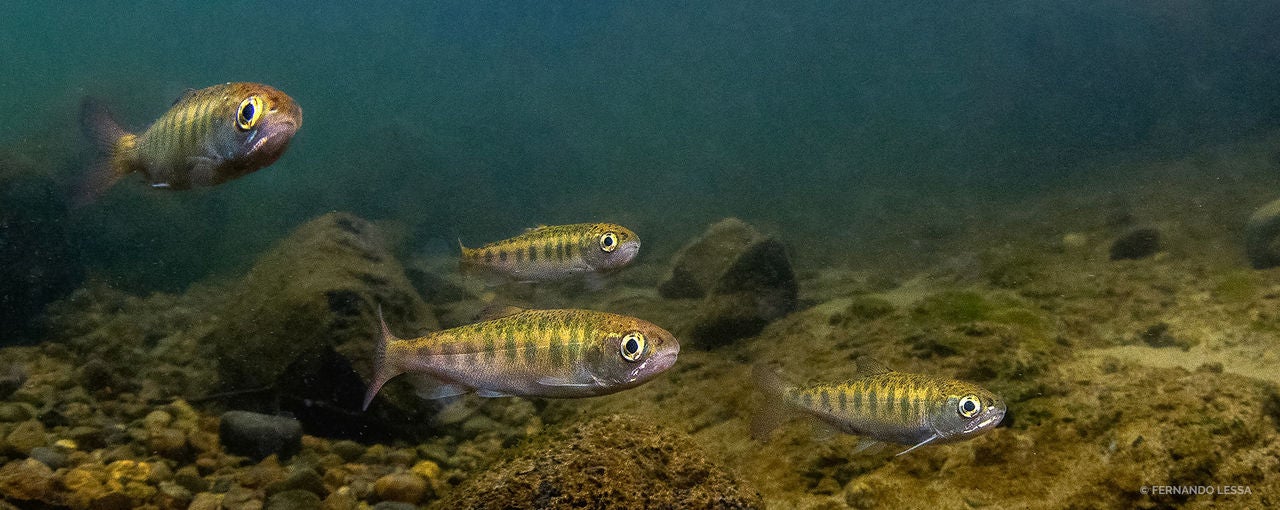
The species we are helping with this project include: Chinook, Coho and Sockeye salmon; Bull Trout; Steelhead; and Westslope Cutthroat Trout.
This initiative is coordinated by the Canadian Wildlife Federation and funded primarily through two grants: the British Columbia Salmon Restoration and Innovation Fund (BCSRIF) and the Canada Nature Fund for Aquatic Species at Risk (CNFASAR). The duration of this project is four years, with the potential to extend to five years under BCSRIF. Special thanks also to the RBC Foundation Project.
Videos
Take a virtual tour of fish passage projects in West Vancouver, North Vancouver, Squamish and on Vancouver Island. Watch the whole playlist, including our one minute animation and 15 second animation.
Four Project Areas

Partner
Support collaboration among organizations concerned with fish passage

Plan
Expand the scope of planning and prioritization tools for remediation

Fix
Remediation of priority barriers

Monitor
Evaluate and monitor the effectiveness of remediation
Goal
The BC Fish Passage Restoration Initiative is building province-wide collaboration among federal and provincial governments, NGOs, academic researchers, First Nations and local communities to strategically restore, protect and maintain healthy populations of fish species at risk. The initiative aims to restore the health of freshwater ecosystems by remediating multiple barriers to fish passage. Project proponents will also assess the effectiveness of established and emerging fish passage remediation technologies.
Help restore #fishpassage by supporting conservation efforts.
Updates
Project Summaries
Learn more about the fish passage projects CWF has worked on and how they're helping fish.
Blogs
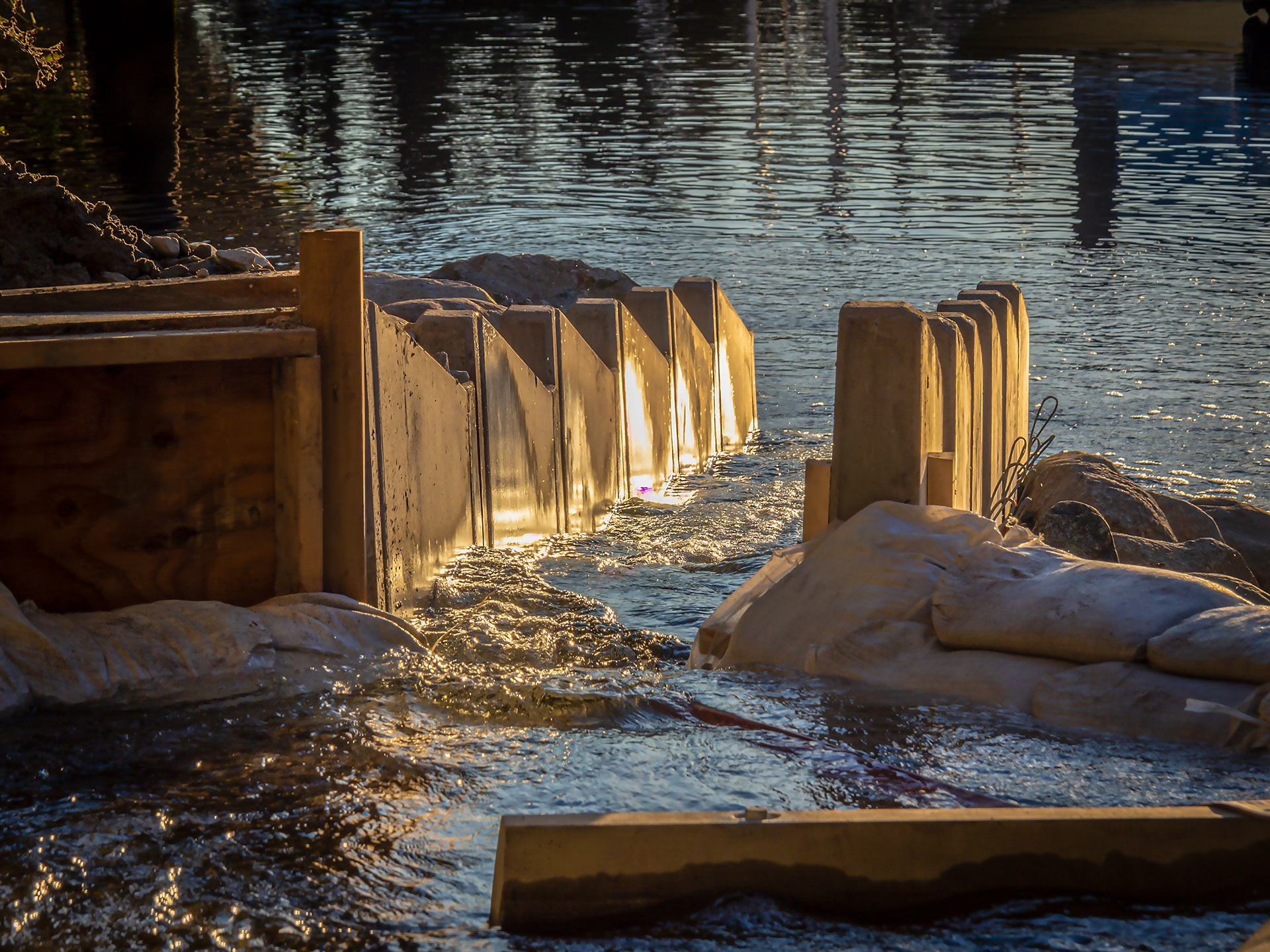 More Pacific Salmon and Trout Can Now Go Home
An elevated stream culvert may mean nothing more than simple road maintenance to us. But to a Pacific Salmon desperately trying to swim upriver to their native spawning beds, it’s often a dead stop to their trip home… Read
In the News
-
Kitigan Zibi Anishinābeg calls for safe passage for American eels on the Ottawa River
December 3, 2024 - The western Quebec First Nation is urging the provincial and federal governments to protect American eels from dangerous practices at dams in the upper St. Lawrence River watershed that have severely curtailed their population.
-
Kitigan Zibi Anishinābeg calls for safe passage for American eels on the Ottawa River
December 3, 2024 - The western Quebec First Nation is urging the provincial and federal governments to protect American eels from dangerous practices at dams in the upper St. Lawrence River watershed that have severely curtailed their population.
-
Project aims to build high-value habitat for fish in Mill Creek
August 1, 2024 - An old concrete bridge was removed this week in a section of the Mill Creek in eastern P.E.I. The goal of the project is to make an easier passage for fish in the river, including Atlantic salmon.
-
Fish are swimming a bit easier in this P.E.I. creek thanks to bridge structure removal
August 1, 2024 - The Souris and Area Branch of the P.E.I. Wildlife Federation is spearheading the work, with support from the Canadian Wildlife Federation, the Atlantic Salmon Federation and the provincial government.
-
Cross Creek Fish Passage Restoration
March 22, 2022 - Cross Creek — Nedut’en of the Witsuwit’en Lake Babine Nation — runs through the center of Pendleton Bay Provincial Park.
-
The Aquatic Barriers Interactive Web Tool Launches, Starting With Alberta
December 21, 2021 - The Canadian Wildlife Federation is pleased to announce the public launch of the Canadian Aquatic Barriers Database (CABD)!
Media
Video
Be advised that video and b-roll is available to the media. Please contact Heather Robison to request files.
Get Involved

Do you want to help recover fish species at risk and restore habitat? We are looking for additional information about barriers to fish passage in B.C. to include in our selection process, and we are working with partners to expand the scope of how barriers are selected for remediation.
Complete the form if you or your organization is interested in being part of shaping this selection process:
Interesting Facts

170,000
Number of road crossings at streams containing fish or fish habitat in B.C.

92,000
Approximate number of closed bottom structures (culverts) in B.C. that block fish passage and need to be repaired

3.31 M m2
Amount of habitat restored from CWF’s BC fish passage program to-date. That’s about 81 lineal kms of habitat at 26 sites throughout BC.
Reports and Papers


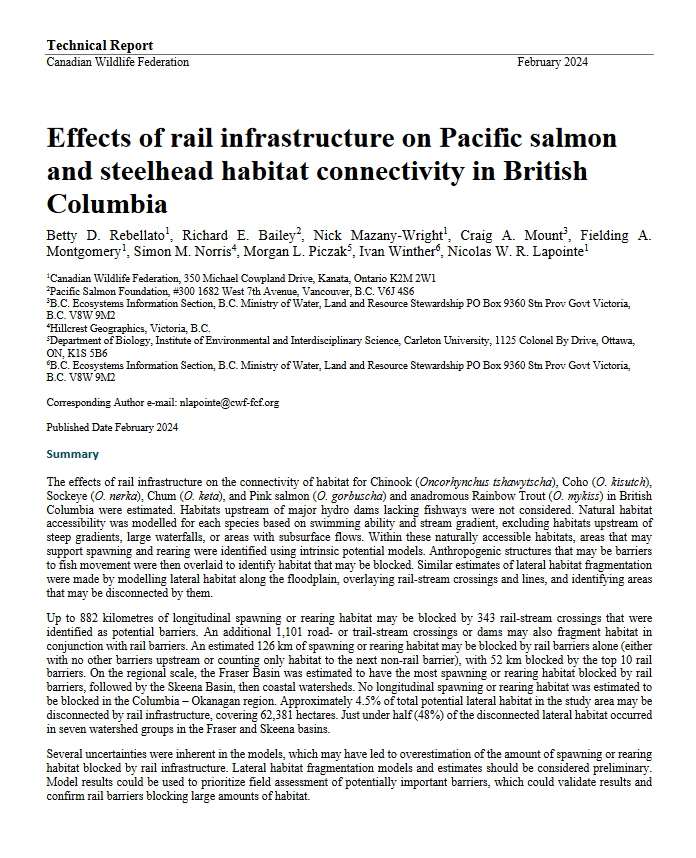
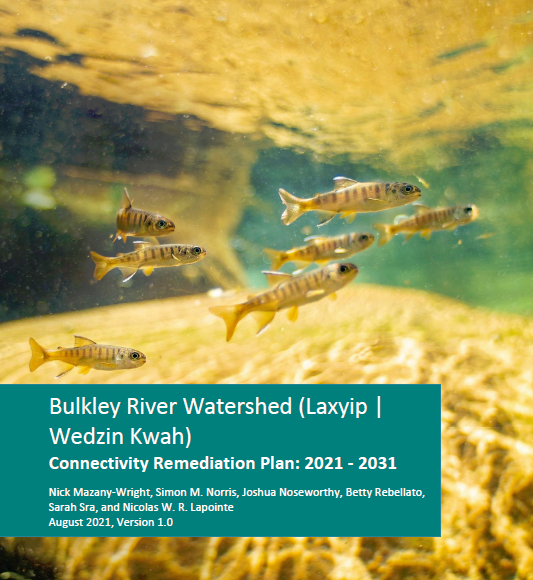
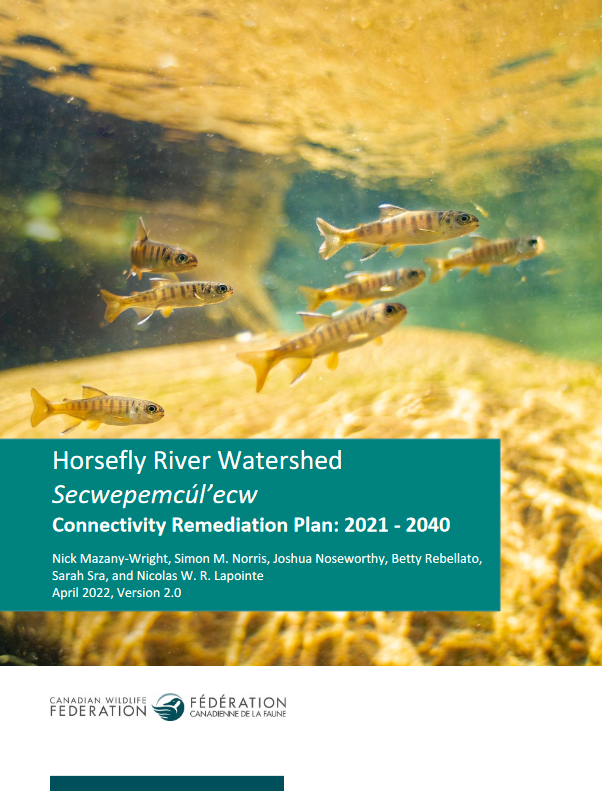
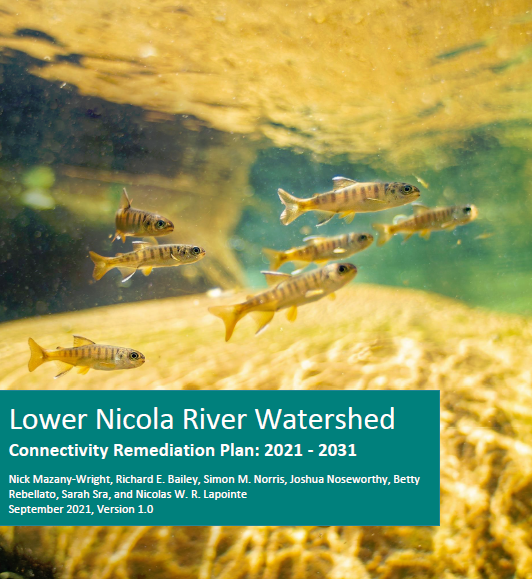
Additional Resources





Program Lead
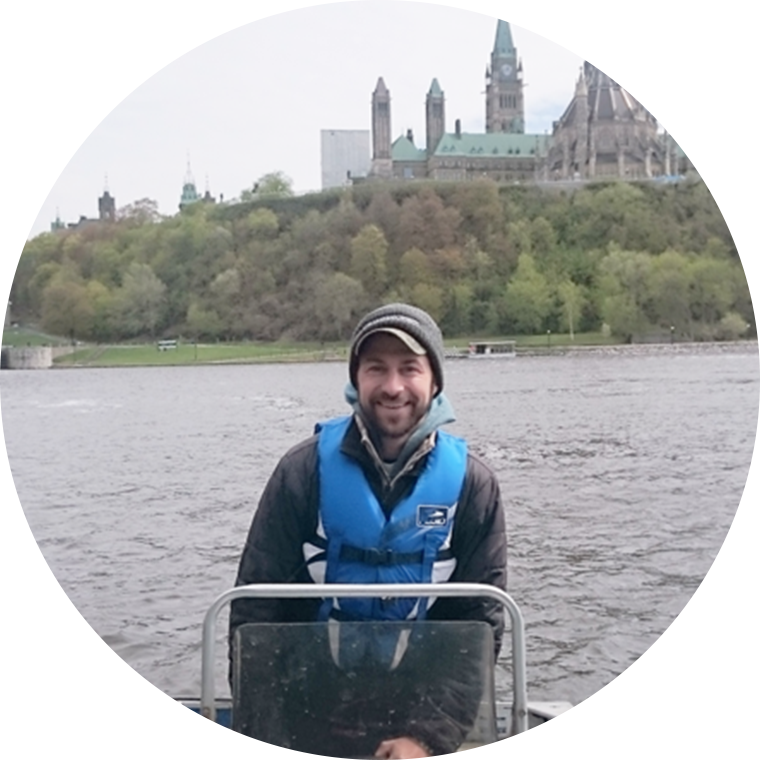
Nick Lapointe
Nick Lapointe is the Canadian Wildlife Federation’s Senior Conservation Biologist – Freshwater Ecology. He has a doctorate in Fisheries Science, and his research has focused on the greatest threats to freshwater biodiversity, including invasive species, aquatic habitat loss and alteration.
“Barriers like culverts, dams and dykes have been identified as a critical reason why many fish stocks are in decline. It’s more important than ever that we take a good hard look at these barriers and start fixing them to allow fish to migrate freely.”
Sign Up for Timely Articles and Tips
The Canadian Wildlife Federation's free monthly e-newsletter Wildlife Update features current issues facing Canada's wildlife, DIY and Q&As, quizzes and more. Sign up to join over 80,000 readers in this wildlife conservation community. You can unsubscribe at any time.
This project is made possible in part by funding provided by the Province of BC and Fisheries and Oceans Canada through the BC Salmon Restoration and Innovation Fund.